Nigerian music has exploded in popularity worldwide, thanks to streaming. Now, AI is transforming industries, including music. The big question is: How can the government and businesses help integrate AI into Nigerian music?
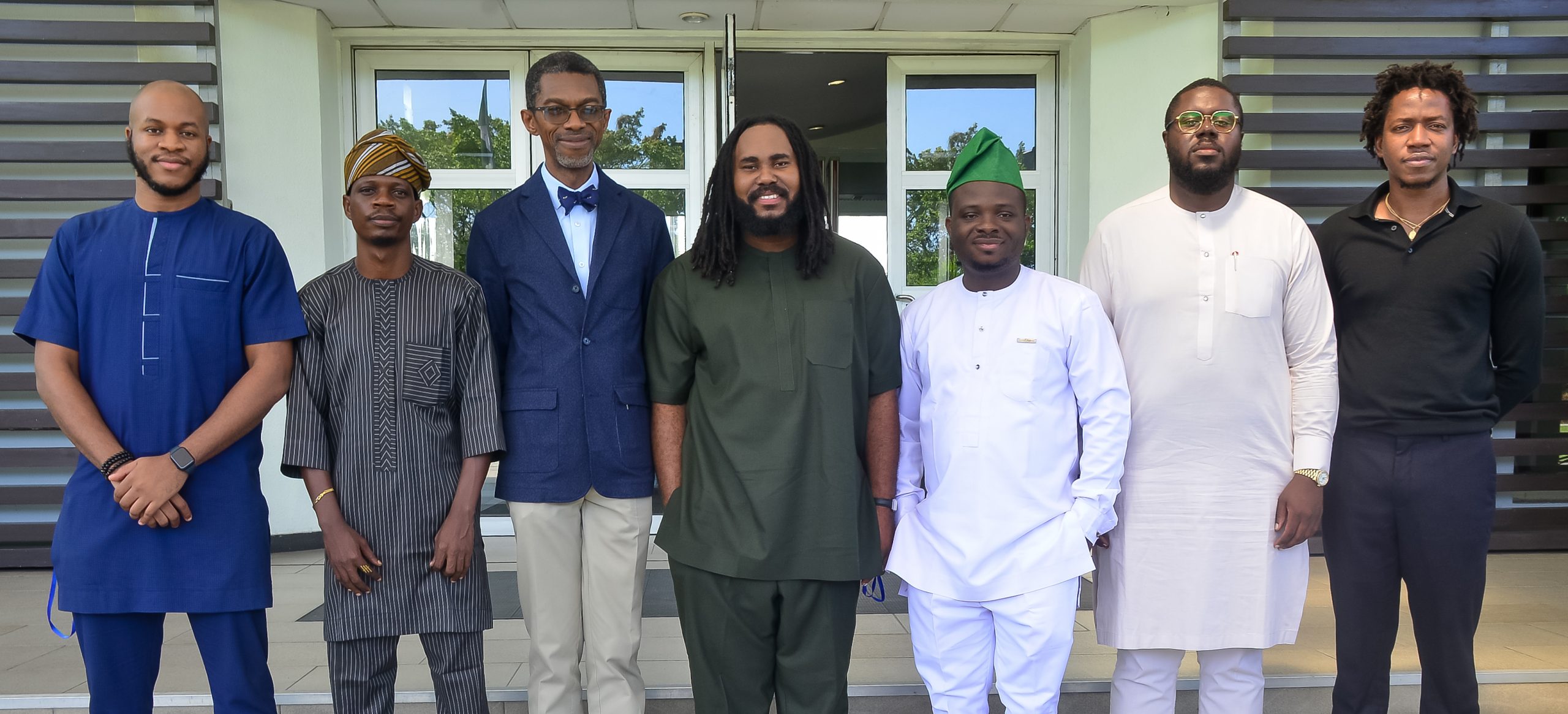
In a recent panel discussion titled “AI and Creative Education: Public and Private Sectors’ Efforts in Developing Future Talent,” at the second edition of the Music Business Conference which took place in Lagos Business School, Lekki, experts shared ideas on how artificial intelligence (AI) can transform Nigeria’s growing music industry.
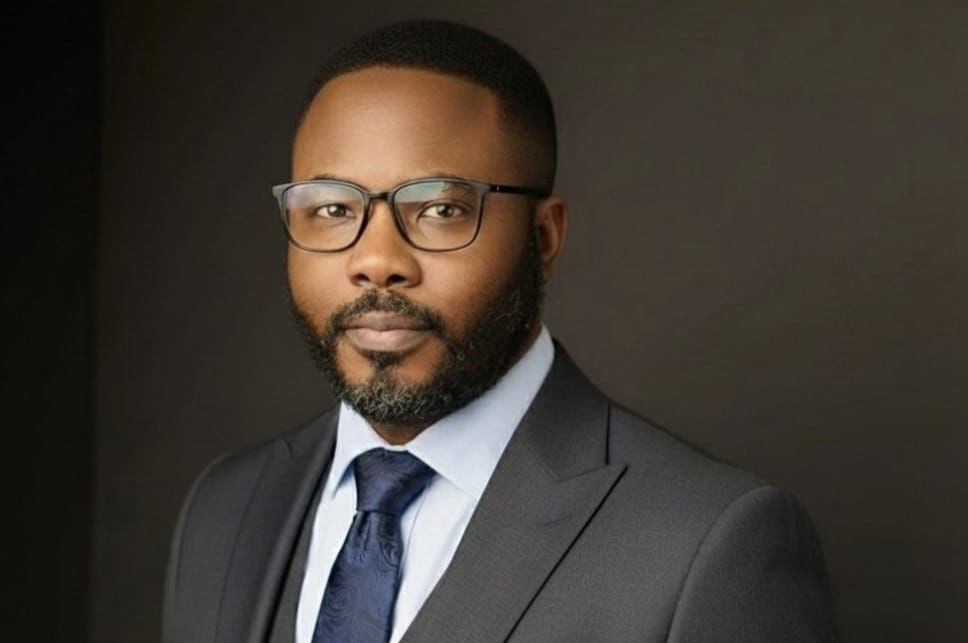
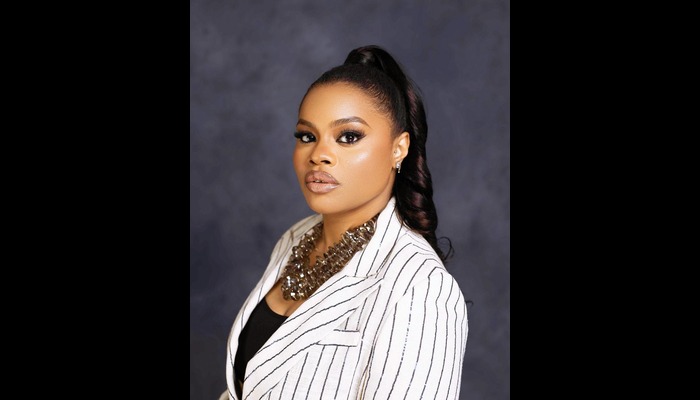
Panelists, including Mide Falegan, a tech and media professional, Moyosore Olumodeji, Head of Growth and Marketing at Chocolate City, and Baba Agba, Special Advisor to the Minister of Art, Culture, Tourism, and the Creative Economy, explored AI’s potential.
They agreed that AI can make a big difference, especially in productivity, while raising questions about creativity and copyright. This article explains how the government and private sector can team up to bring AI into the Nigerian music ecosystem, offering practical benefits for music practitioners like you.

AI to boosts productivity in music
AI can change how you work by handling tough tasks quickly. Mide Falegan pointed out that AI shines in areas like distribution, licensing, and data management. Imagine you release a song on Spotify, YouTube Music, and Apple Music. Each platform sends data in different formats. Combining it by hand takes hours and often leads to mistakes. AI can do this fast, giving you clear insights about streams, downloads, and earnings. This saves time so you can focus on making music.
Marketing gets easier with AI too. It can study listener habits—think of it like a smart assistant that tells you what your fans love. Moyosore Olumodeji shared how AI creates mood boards during meetings at Chocolate City. No waiting days for ideas; you get visuals right there to spark inspiration. For you, this means sharper promotion plans and faster creative decisions.
Tackling worries about creativity and rights
You might wonder: will AI take over my creativity? Falegan said no. Music’s magic comes from human feelings and unique ideas—things AI can’t copy. He sees AI as a helper, not a rival. It won’t write your next hit, but it can make your work smoother once the song’s done.

Copyright is trickier. Baba Agba explained that AI learns from existing music—your music—and creates new tracks. Who owns those? What if it uses your beat without credit? These questions worry creators. The answer isn’t clear yet, but the industry can solve this by keeping you in the loop. If you help shape AI tools, they can respect your art and protect your rights.
Government steps in
The government can pave the way for AI with smart policies. Baba Agba stressed that agencies like the Nigerian Copyright Commission (NCC) must update rules for AI. A new intellectual property (IP) policy could set guidelines: if AI uses your song to learn, you get paid. If it makes something new, ownership gets defined. This keeps your work safe and fairly rewarded.
Funding is another boost. The government could pay for research to build AI tools just for Nigeria’s music scene. Think of an app that tracks every radio play of your song and splits royalties automatically. Agba also suggested training programs. Picture workshops where you learn to use AI for mixing tracks or analyzing fan data. With government support, you’d have the skills and tools to thrive.
Private sector to drives innovation
Tech companies, labels, and startups can bring AI to your doorstep. They’re already building tools to simplify your hustle. Falegan’s data aggregation idea? A private firm could turn that into software you download. Need beats or lyrics fast? AI can suggest options, leaving the final touch to you—perfect if you’re an indie artist on a budget.
Partnerships matter here. Agba floated a big idea: mix AI with blockchain for smart contracts. Say your song plays in a club. Blockchain tracks it, and AI sends your payment instantly. No delays, no middlemen. Private companies can team up with the government to make this real, fixing royalty headaches you’ve faced for years.
Education is key too. The private sector can host webinars or create apps showing you AI’s tricks—like how to spot trends in your streams. Olumodeji called AI “tech on steroids.” With the right push, it’s your superpower, not a mystery.
AI can lift Nigeria’s music industry, but it takes work from both sides. The government sets rules and opens doors with funding and training. The private sector builds tools and shows you how to use them. Together, they tackle copyright fears and boost productivity, leaving your creativity untouched.
For you, this means less stress over data or payments and more time to make music that connects. Olumodeji said it best: we’re still early in this journey. Nigeria’s music ecosystem is young, but with AI, it can grow fast. Embrace it, learn it, and shape it. With government and private help, you’re not just keeping up—you’re leading the way.