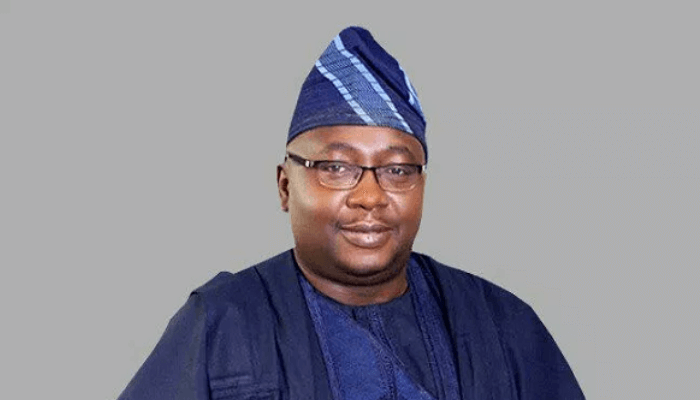
Adebayo Adelabu, Minister of Power on Wednesday made a direct and urgent appeal to President Tinubu to prioritise the resolution of over ₦4 trillion owed to electricity generation companies (GenCos), highlighting that the financial burden could jeopardize the country’s entire electricity value chain.
“Today, I respectfully appeal for your continued support to prioritize a sustainable mechanism for clearing GenCos debts and to back the establishment of a credible, bankable financial framework that ensures the entire electricity market can operate viably and transparently,” Adelabu said during the commissioning of Sahara Energy’s 180MW power plant in Afam, Rivers State.
While the event marked a significant boost in Nigeria’s generation capacity, Adelabu warned that energy infrastructure means little without a functioning, solvent market.
“GenCos are owed over ₦4 trillion. This threatens operations and future investments in the sector. Without immediate attention, we risk a collapse of the sector, threatening the gains we have made thus far,” he cautioned.

In recent months, Nigeria has made significant headway with power sector reforms under the Tinubu administration. While the minister acknowledged this progress, he underscored the urgent need to secure the financial health of the market.
Among the achievements, Adelabu cited the implementation of cost-reflective tariffs for a segment of consumers in early 2024—a policy shift that led to a ₦1.7 trillion market revenue, a 70% increase from 2023, and reduced the tariff shortfall by ₦1.1 trillion. “This is a demonstration that reform works,” he said, but stressed that it must now be reinforced by debt resolution and systemic financial clarity.
Read also: Tinubu receives Tunde Bakare in Lagos
The Minister also hailed the Electricity Act 2023, signed by President Tinubu, which decentralised electricity regulation by transferring oversight to 11 state governments. This landmark reform is seen as critical in allowing subnational governments to attract investment and manage electricity development based on local needs.
Further, Adelabu referenced the government’s performance on generation and grid reliability. On March 2, 2025, Nigeria achieved an all-time high energy generation of 5,801MW, and a record daily energy output of 128,370MWh, made possible by the commissioning of the 700MW Zungeru Hydropower Plant and other grid investments.

Adelabu credited this progress to increased national grid investments and the fast-tracking of the Presidential Power Initiative (PPI), following an agreement signed by Nigeria at the COP28 climate summit in Dubai. In 2025 so far, Nigeria has recorded zero grid collapses, a significant operational improvement over previous years.
He also spotlighted a structural reform many administrations had failed to deliver: the unbundling of the Transmission Company of Nigeria. This led to the creation of the National Independent System Operator (NISO), a body designed to professionalise and bring efficiency to market and grid operations.
On the distribution side, Adelabu referenced the Presidential Metering Initiative, backed by ₦700 billion in FAAC allocations, which aims to deploy 1.1 million meters by the end of 2025, and 2 million annually over the next five years. Also, the World Bank’s DISREP program is expected to provide 3.2 million additional meters by 2026 to improve billing accuracy and resolve estimated billing practices.
While these reforms mark significant progress, Adelabu stressed that without urgent action to clear GenCos’ debt and stabilize the market, the system remains vulnerable. “With your leadership, we have taken deliberate steps toward resolving some of these legacy issues,” he told President Tinubu. “But the challenge is enormous and requires urgent and sustained action.”
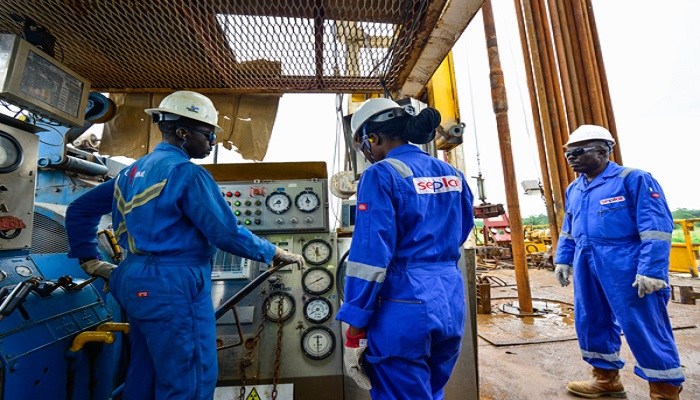
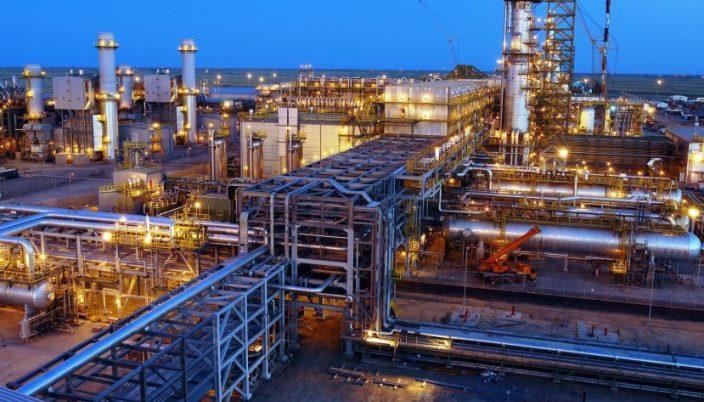
The Sahara Energy Afam plant, he said, stands as a testament to the administration’s reformist vision and the private sector’s willingness to invest—if the right market conditions exist. “Sahara Energy’s 180MW investment here in Afam is proof of that,” he said. “Let this project inspire others and reinforce our shared resolve to power every home, every business, and every hope in this great nation.”