…says CNG infrastructure recording progress
The Presidential Compressed Natural Gas Initiative (PCNGI) has announced that the Compressed natural gas sector in 2024 attracted over $500 million in investments and created over 10,000 direct jobs across the country.
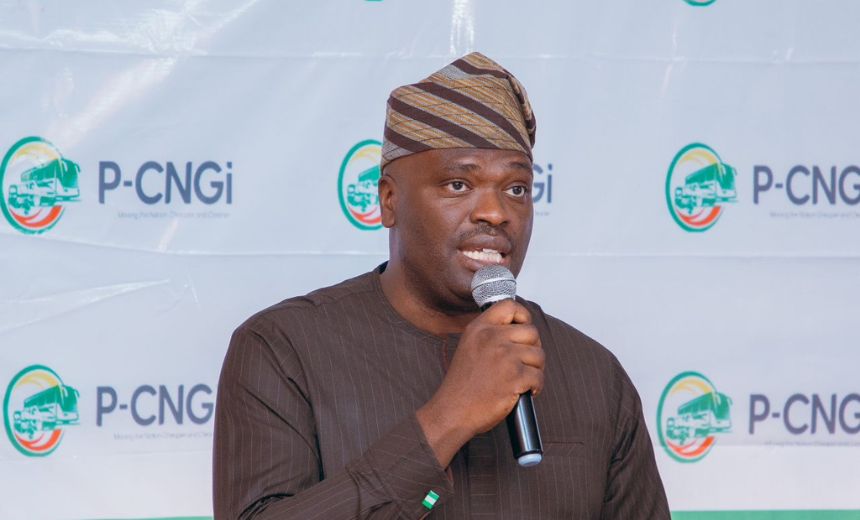
Michael Oluwagbemi, program director of PCNGI, stated this while refuting a report that suggested an infrastructure gap in the CNG sector. According to him, 255 new conversion centres and 53 daughter stations have come on board in the last year, as a result of some of those investments.
He explained that Nigeria is making progress with respect to CNG infrastructure, but engineering feats take time. “It took over seventy years to get addicted to petrol and diesel, it will take more than seven months to be weaned off the addiction.
“In one year, the CNG sector has attracted over $500 million in investments and created over 10,000 direct jobs. 255 new conversion centres that didn’t exist last year and 53 daughter stations exist today as a result of some of those investments,” Oluwagbemi said in a statement on Monday.
He explained that over 175 CNG stations are being rolled out nationwide by various partners. In addition to Greenville and Femadec, he said that the PCNGI is backing partners to roll out 24 sites in the next 6-9 months, with one site already activated in Ilorin.
According to him, Port Harcourt, Ado Ekiti, Lokoja, Abuja, Aba and Enugu will all go live within the next 60 to 120 days to dispense CNG. This, he said, will scale the refuelling on-lending initiative heralded with the first launch in Ilorin last year.
He explained that the private sector, as well as public partners, that will develop the necessary infrastructure to meet the rising demand of CNG vehicles, are taking note.
“Just last week, two new daughter stations in Abuja were commissioned, with AY Shafa and Femadec investing in these ventures. Both entities have 9 and 21 daughter stations, respectively, in the works in the next year. For Femadec, the dual benefit of leading the charge of building a CNG ecosystem in 20 universities is the icing on the cake.
” This week, Yola is stepping up with Greenville investing, in its intensive roll out of LCNG stations in 51 locations across the North and SE, as well as hard-to-reach places. Aside from these, NNPCL is investing in, additional 8 stations to its current stock of 12 are being finished and another 40 of 100 in Phase 2 of its rollout plan are being finalised.
“Bovas is launching two sites in Ibadan any moment from now, from its eight-station rollout of ultra-modern CNG stations and ecosystem. NIPCO’s 8 stations, in addition to 23 already live across the country, will be completed within 6 months.
“Just last week, the Midstream Downstream Gas Infrastructure Fund, a veritable partner in the process, awarded ten new equity investments to develop their various gas projects. Three of them were focused on developing CNG stations. This was in addition to 4 of the 6 initial 123 billion naira investments made last year by MDGIF being directed at the sub-sector,” he said.
Oluwagbemi said that from May 2024, the PCNGI set out to implement its mandate to promote the adoption of CNG and EV vehicles to ensure sustainable transportation for all Nigerians, facilitate investments into the alternative energy sector for transportation and coordinate regulation of the emerging sector for rapid growth.
He said that because the initial desire of the President was greeted with scepticism, the start-up work of the PCNGI was to embark on an intensive awareness campaign, which was conducted from May to October 2024.
“Hardly any CNG vehicles were on our roads, and no demand at the few eleven CNG stations nationwide since a 2017 pilot by NNPCL.
“One year out, we are pleased that even the doubting Thomases are singing a new tune. With over 50,000 vehicles counted and rising to 100,000, the queues at CNG stations are naturally going to rise, because of such unprecedented increase (from mere 4000) in vehicle count as a result of the massive incentive provided by the administration and the breakthrough in awareness due to the economic benefits of the switch. Nigerians love CNG and the program is working,” he added.