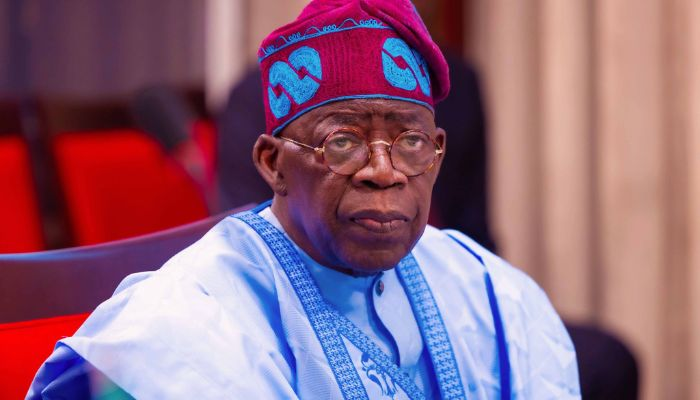
President Bola Tinubu has signed a landmark Executive Order that introduces performance-based tax incentives aimed at reducing costs, boosting revenue, and attracting new investment into Nigeria’s upstream oil and gas sector.
The new directive, Upstream Petroleum Operations Cost Efficiency Incentives Order (2025), builds on the success of his administration’s 2024 reform package, signaling a continued commitment to overhaul the country’s energy sector.
The Order introduces a novel incentive framework that rewards oil and gas operators who achieve verifiable cost savings based on annual industry benchmarks.
These benchmarks, which will be published by the Nigerian Upstream Petroleum Regulatory Commission (NUPRC), will be tailored to operational terrains, onshore, shallow water, and deep offshore, to reflect the diverse cost profiles across Nigeria’s upstream landscape.

“This Order is a signal to the world: we are building an oil and gas sector that is efficient, competitive, and works for all Nigerians,” Tinubu declared while announcing the policy. “It is about securing our future, creating jobs, and making every barrel count.”
Read also: Two years of President Tinubu: A business perspective
A Strategic Shift Toward Performance
The new policy introduces performance-based tax credits, which are capped at 20 percent of a company’s annual tax liability. This approach encourages upstream companies to optimise operations while ensuring that government revenue streams remain protected.
The implementation of this Order will be coordinated by Olu Verheijen, the special adviser to the President on Energy, who has been tasked with aligning inter-agency collaboration to ensure smooth execution and accountability.

“This is not a pursuit of cost reduction for its own sake,” Verheijen explained. “It is a deliberate strategy to position Nigeria’s upstream sector as globally competitive and fiscally resilient. With this reform, we are rewarding efficiency, strengthening investor confidence, and ultimately delivering greater value to the Nigerian people.”
Detailed implementation guidelines are expected to be issued shortly, clarifying the procedures, verification protocols, and compliance mechanisms required to access the new tax credits.
Building on 2024 Reform Momentum
The 2025 Executive Order is widely viewed as a continuation of the structural reforms launched in 2024, which were lauded by both domestic and international stakeholders.
Those directives delivered improved fiscal terms, shortened project timelines, and modernised local content regulations to align with global best practices.
By introducing performance-linked fiscal incentives, the 2025 Order is expected to further consolidate these gains and position Nigeria as a more attractive destination in an increasingly competitive global energy market.
President Tinubu’s administration has made reforming the oil and gas sector a cornerstone of its economic strategy.
“Nigeria must attract investment inflows, not out of charity, but because investors are convinced of real and enduring value,” Tinubu emphasised.