Saudi Arabia is ramping up its charm to woo international tourists.
This time in a move that would have been unthinkable just a few years ago: easing its decades-long ban on alcohol.
In a move tied to the kingdom’s Vision 2030 strategy, authorities have announced plans to allow limited alcohol sales in 600 designated tourist zones by 2026. While the change stops short of a full lift on the alcohol ban, it signals a remarkable cultural shift in one of the world’s most conservative Islamic nations.
All of this is also part of its push to position itself as a global tourism hub ahead of the FIFA World Cup in 2034. The targeted areas will include high-end venues such as five-star hotels, luxury resorts, and compounds housing expatriates. However, alcohol will still be strictly off-limits in public spaces, private homes, and fan zones.
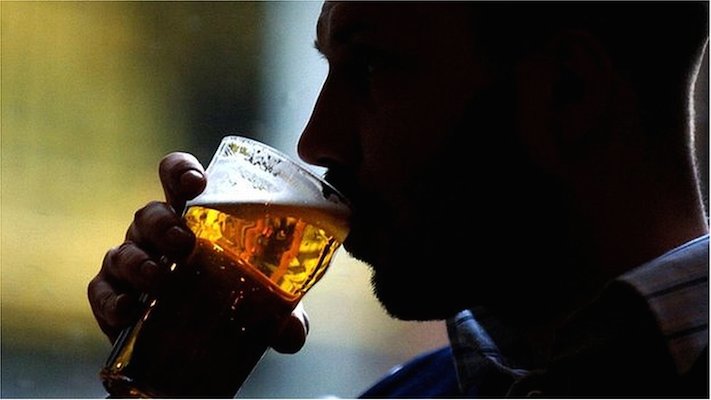
The offerings are expected to be limited to select beverages, mainly wine, beer, and cider. Hard liquor, including spirits, remains banned. As expected, sales will be tightly regulated to align with the kingdom’s values and ensure consumption stays within approved boundaries.

Saudi officials say this measured approach reflects both sensitivity to cultural norms and a desire to attract foreign investment and tourism dollars. It’s all part of the larger push to wean the economy off its historic dependence on oil.
But let’s be clear: this isn’t a blanket liberalisation. Alcohol will still be banned in public spaces, private homes, local shops, and fan zones. Spirits over 20% alcohol content are also staying off the menu. This is about balance: opening up to the world but on Saudi terms.
Alcohol sales will be tightly regulated. Only licensed venues will be allowed to serve, and trained staff will be mandated. Global hotel chains are already preparing to adjust their offerings, anticipating a boost in both tourism spending and foreign direct investment.
Importantly, this isn’t a free pass to a party. Authorities stress that violators of the new guidelines will face strict penalties. The intent is to avoid the kind of cultural backlash that could derail progress.
Tourism analysts say the Saudi approach is drawing lessons from the likes of Dubai, where controlled alcohol availability has significantly boosted hospitality, retail, and nightlife revenues — all without upending local traditions.

With massive infrastructure projects, relaxed visa policies, and now a softening stance on alcohol, Saudi Arabia is making clear its ambition: to be a global player in tourism, entertainment, and business.
Whether tourists will bite, and how locals will respond remains to be seen. But one thing is certain: the sands are shifting in the desert kingdom.