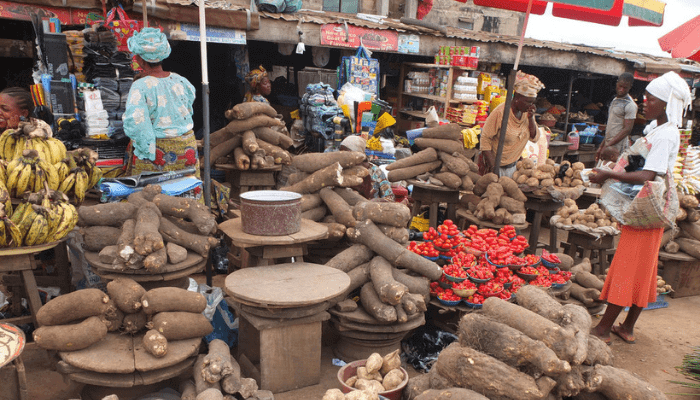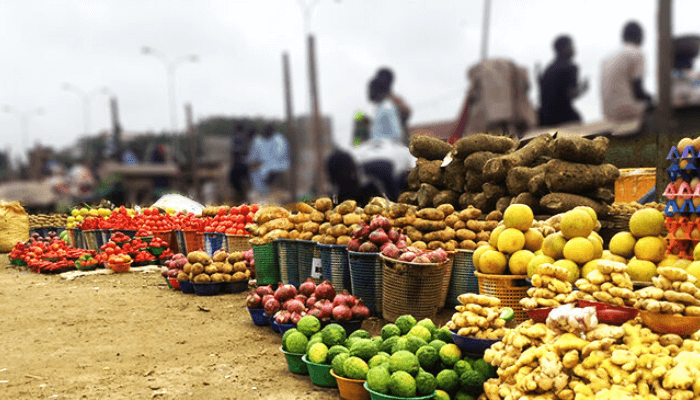
There’s something deeply painful about watching abundance rot into nothingness. Sheila Moor grew up watching this tragedy unfold year after year, fields lush with tomatoes, baskets overflowing with mangoes, market stalls straining under the weight of freshly picked vegetables. Then the decay. The stench. The waste.
Born and raised in Benue State, Nigeria’s famed “Food Basket of the Nation,” Sheila’s earliest memories are of food, plenty of it, and the heartbreak of watching it go to waste.
“I saw it firsthand,” she says. “I lived around it. I remember passing through villages with my parents and seeing large heaps of rotten oranges, mangoes, leafy greens, tomatoes… all perishing right before our eyes.”
Benue produces over 40% of Nigeria’s fruits and vegetables, yet only a fraction makes it to market in good condition. The rest? Lost to poor logistics, extreme temperatures, and inadequate preservation systems.

A Global Problem, A Local Pain
Nigeria suffers an estimated post-harvest loss of over ₦3.5 trillion ($8 billion) annually, particularly in perishables like fruits and vegetables. According to the Nigerian Stored Products Research Institute, between 40-60% of fresh produce never reaches consumers. This isn’t just an economic problem, it’s an ecological one.
Globally, the Food and Agriculture Organisation (FAO) estimates that one-third of all food produced – about 1.3 billion tonnes – is wasted every year, while nearly 828 million people go hungry.
In Sub-Saharan Africa, the biggest losses occur after harvest, before food even hits the market, largely due to poor infrastructure and a lack of cold storage.
Sheila Moor wasn’t content to watch this cycle continue.

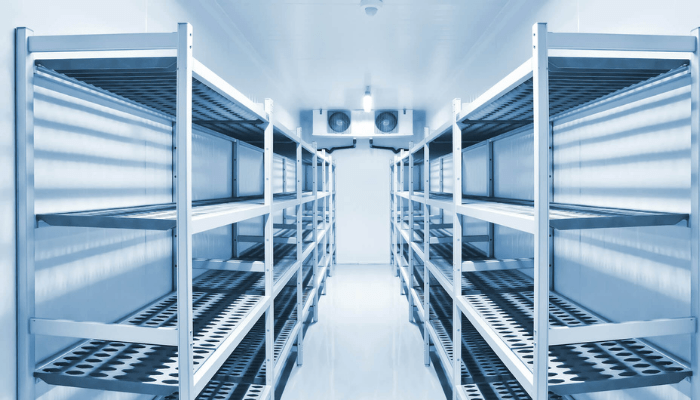
In 2023, she founded Fresh Fare HQ, an agro-supply chain company built to fight food waste with precision and purpose. Her weapon of choice? Cold chain technology, the use of temperature-controlled storage and transport systems to keep food fresh from farm to shelf.
Read also: Nigeria’s N160bn cold chain market beckons investors
Fresh Fare: Powered by Purpose, Backed by Tech
Fresh Fare is more than just a logistics business. It’s a movement, designed to ensure that Nigeria’s food abundance doesn’t become its burden.
“We’re building a new kind of agri-supply chain,” Moor explains. “One where tomatoes don’t rot under the sun, where leafy greens don’t wilt before reaching a buyer, where farmers don’t lose half their harvest after all the work.”
Cold chain technology, commonplace in developed economies, remains woefully underdeveloped in Nigeria, where only 2% of perishable foods are transported under cold conditions, compared to 80–90% in Europe and North America.
Nigeria’s cold chain market is estimated at $300 million, but is projected to grow rapidly as demand increases for fresh, safely stored food.
Fresh Fare fills that gap with purpose-built refrigerated trucks, modular cold storage units, and a tech-enabled delivery system that connects smallholder farmers directly to urban markets. The company ensures that farm-fresh vegetables like tomatoes, broccoli, bell peppers, spring onions, and fruits like mangoes and citrus arrive in pristine condition at retailers and consumers’ doors.
Empowering Farmers, One Crate at a Time
Smallholder farmers, who account for over 88% of Nigeria’s farming population, are particularly vulnerable to post-harvest loss. For them, a bad road or a delayed buyer can mean a total loss of income. Moor is changing that reality.
“For every crate you buy from Fresh Fare, you’re not just feeding your family, you’re empowering a smallholder farmer,” she says. “We’re creating reliable markets, real incomes, and thriving rural communities.”
With only 15 employees, Fresh Fare might seem small, but its impact is anything but. The company has already worked with dozens of smallholder farmers and is currently expanding its network across Lagos and North Central Nigeria.
Food Security, Climate Action, and the African Dream
Fresh Fare isn’t just reducing waste. It’s tackling three global challenges at once: food insecurity, rural poverty, and climate change.
By keeping food fresh, it extends shelf life, reduces greenhouse gas emissions from rotting food (which account for 8–10% of global emissions), and promotes healthier diets.
By guaranteeing purchase and timely delivery, it increases farmers’ income and keeps rural communities productive.
Supporting local production and consumption, it lowers Nigeria’s overreliance on food imports, currently costing the country over $10 billion annually.
Across Africa, cold chain investments are beginning to gain momentum. The Africa Continental Free Trade Area (AfCFTA) agreement, poised to unlock a $3.4 trillion market, offers Fresh Fare and similar businesses unprecedented scale. Sheila Moor has her sights set on cross-border operations, regional partnerships, and export-readiness.
The Future is Fresh, Local, and Sustainable
When Sheila Moor founded Fresh Fare in 2023, she wasn’t just building a business. She was creating a solution, a scalable, replicable model that could transform Nigeria’s agriculture sector and set a new benchmark for sustainability and innovation.
“This isn’t just about food,” she says. “It’s about dignity. It’s about making sure that the hands that feed the nation are not the ones going hungry. It’s about building an Africa that feeds itself, and feeds the world.”
Sheila is part of a new generation of African entrepreneurs—bold, purpose-driven, and systems-oriented. Through Fresh Fare HQ, she is turning waste into wealth, frustration into opportunity, and harvest into hope.
Because for her, freshness is not a luxury. It’s a right. And one crate at a time, she’s ensuring it gets where it’s needed most—on the tables of homes, and in the hands of farmers, across Nigeria and beyond.