We see 5G as a transformative platform enabling new services and applications, particularly in IoT, smart cities, and Industry 4.0.
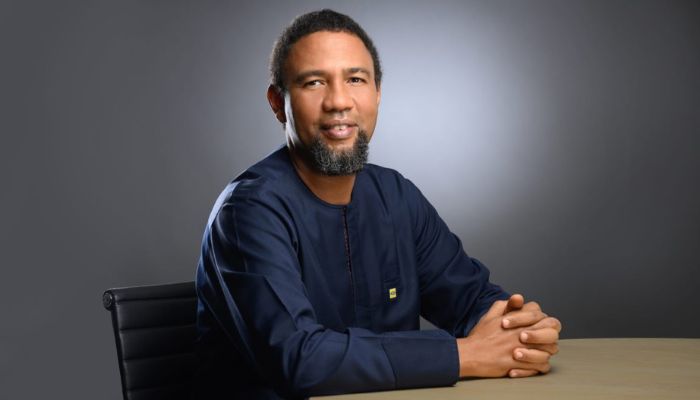
As one of Nigeria’s leading telecommunications companies, MTN Nigeria is at the forefront of driving digital transformation and innovation in the country. With a strategic vision focused on emerging trends and technologies, the company is poised to shape the future of the telecom sector. In this exclusive interview, Karl Toriola, CEO of MTN Nigeria, shares his expert insights on the company’s plans to harness the power of data-driven insights, 5G, artificial intelligence, blockchain, and the Internet of Things (IoT) to enhance customer experience, drive financial inclusion, and stay ahead of the competition.
From navigating the increasingly complex regulatory environment to developing top talent in emerging technologies, Toriola discusses MTN Nigeria’s approach to addressing key challenges and opportunities in the industry. With a commitment to constructive engagement with policymakers and regulators, MTN Nigeria is working towards creating a regulatory environment that fosters innovation, investment, and fair competition.
Join us as we explore the future of telecommunications in Nigeria with Karl Toriola, and discover how MTN Nigeria is positioning itself for growth, innovation, and success in the digital age.

As MTN Nigeria looks to the next decade, what emerging trends and technologies will shape its strategic vision?
MTN Nigeria is positioning itself for key technological trends shaping the telecom sector. We anticipate significant data growth as a major driver and are structuring our investments accordingly. Our 5G licence and network rollout will enable new digital service segments, while our extensive fibre rollout aims to make MTN Nigeria the largest fibre-to-the-home operator in the country.
How will you leverage data-driven insights to refine MTN Nigeria’s market position and stay ahead of the competition?
Data-driven insights are key to our market leadership. We’ve implemented robust frameworks for compliance and business intelligence, leveraging data analytics to drive operational efficiency and inform business decisions. This approach enables us to develop targeted offerings, enhance network capacity, and improve service quality where it matters most.
What innovative KPIs will MTN Nigeria use to measure success in the increasingly complex digital landscape?

We’re evolving our performance metrics to reflect changing customer usage patterns and business priorities. This includes tracking data growth, network capacity utilization, fibre penetration rates, and fintech metrics such as financial inclusion impact and transaction volumes. We’re also focusing on granular, real-time service quality measurements that meet customer expectations and developing resilience metrics to ensure service continuity despite external threats.
How will MTN Nigeria’s digital transformation strategy evolve to incorporate cutting-edge technologies like AI, blockchain and IoT?
MTN Nigeria’s digital transformation strategy is built on robust physical and digital infrastructure, with AI and IoT as natural extensions of our investments in fibre rollout and 5G. We’re focused on harnessing these technologies to create value for customers, solving real problems, and enhancing service delivery. For instance, AI will be used to boost security, improve customer experience, and optimize operations, ultimately benefiting Nigerians across all segments of society.
Read also: Telcos to enjoy benefit of data usage growth for 10 years — Toriola
What role will 5G play in MTN Nigeria’s plans for IoT adoption, smart cities, and Industry 4.0 initiatives?
The successful 5G spectrum auction marks a significant milestone for MTN Nigeria. We see 5G as a transformative platform enabling new services and applications, particularly in IoT, smart cities, and Industry 4.0. With its high bandwidth, low latency, and massive connection density, 5G will support smart infrastructure solutions for urban challenges like traffic management, public safety, and environmental monitoring. In industry, 5G will drive productivity through real-time monitoring, predictive maintenance, and automation, benefiting key sectors of Nigeria’s economy.
What role will social media play in MTN Nigeria’s customer engagement strategy, and how will you balance human interaction with automation?
We leverage social media as both a service channel and brand-building platform, enabling direct customer engagement, real-time feedback, and issue resolution. To balance efficiency and empathy, we’re exploring AI-powered tools to monitor conversations, provide initial responses, and escalate complex issues to human teams. This hybrid approach allows us to maintain authenticity while managing interactions at scale. Our multi-channel strategy prioritizes meeting customers where they are, with the right mix of human and automated support.
How will MTN Nigeria adapt to the increasingly complex regulatory environment in Nigeria?
We proactively engage with Nigeria’s evolving regulatory landscape, acknowledging the government’s support in implementing structural changes that enhance our sustainability. The Executive Order on Critical National Information Infrastructure protection and clear spectrum renewal policies have been particularly beneficial. We maintain transparency and accountability through continuous dialogue with regulators. Government initiatives, such as Dr. Bosun Tijani’s fibre rollout plan, align with our goals for broadband penetration and digital inclusion. We’re committed to constructive engagement; balancing industry needs with public interest to drive economic growth and social development.
What partnerships will MTN Nigeria explore to expand its mobile money services and reach more customers, particularly in underserved communities?
For underserved communities, connectivity is the first step towards digital inclusion. We have established partnerships to support network rollout, including our franchise model and government collaborations. To offer comprehensive financial services, we’ll rely on product partnerships for credit and associated services, complementing our fintech offerings and enabling us to better serve connected clients
How will you engage with policymakers and regulators to shape the future of the telecoms industry in Nigeria and ensure it remains competitive and innovative?
MTN Nigeria believes constructive engagement with policymakers and regulators is crucial for fostering innovation while protecting consumer interests. We contribute to policy development through continuous dialogue, sharing industry expertise and market insights. Our advocacy focuses on measured deregulation, recognizing telecoms’ critical role in Nigeria’s economy (14% GDP contribution). We’ll continue balancing commercial interests with national development goals, aiming for a regulatory environment that encourages investment, innovation, and fair competition through transparent, fact-based dialogue.
How will MTN Nigeria’s mobile money services drive financial inclusion, and what emerging technologies will you leverage to expand access?
Financial inclusion is a key opportunity for MTN Nigeria to drive national development and sustainable business value. Our fintech services are gaining traction in a competitive market, and we’re optimistic about their transformative impact. Fintech is central to our strategy, providing essential services to underserved Nigerians. We’ve developed offerings for diverse segments, from urban professionals to rural communities, prioritizing accessibility across devices and connectivity scenarios to ensure broad participation in the digital economy
How will MTN Nigeria attract, retain, and develop talent in emerging tech like AI, blockchain, and IoT?
To drive our transformation from a telecom to a technology company, we’re focused on attracting and developing top talent. Our Global Graduate Development Programme identifies and accelerates high-potential graduates across Africa, offering a combination of formal training at the MTN Academy and on-the-job experience in strategically aligned roles. This approach is yielding significant returns on our investment in homegrown expertise, supporting our evolution into a tech-driven organization.