“Lagos is smelling.”
These three words sparked a digital debate both online and offline about Nigeria’s commercial capital after the triggering claim by a female NYSC member and social media influencer.
“To pretend that the blocked drains, waste, and open defecation in some parts of Lagos don’t smell would be dishonest. It’s a lived experience for anyone who has stood under Obalende Bridge or passed through Mushin.”
Within minutes, the city’s defenders, from patriotic netizens to keyboard warriors, came out in full force, not just to disagree but to defend the city’s honour. What followed was less debate and more cyberbullying, with vitriol hurled in all directions, especially at anyone with clear objective views.
Amid the heated debate, she backtracked. Apologised. Probably to assuage the egos of those of us who love Lagos fiercely, including myself.

But doesn’t Lagos smell?
While I agree that generally categorising the entire city as smelly is exaggerated and bogus, it would be dishonest to deny that some areas desperately reek.
To pretend that the blocked drains, waste, and open defecation in some parts of Lagos don’t smell would be dishonest. It’s a lived experience for anyone who has stood under Obalende Bridge or passed through Mushin.
But this situation isn’t just a sanitation crisis; it’s a mindset problem. And worse, we’re active participants in the mess we so loudly deny.
What we need is a mindset reengineering and a seismic behavioural shift.

The smelly truth
We mustn’t deny the efforts the Lagos State government is making towards environmental sanitation and sustainability. But the real question is: how have we, as Lagosians, contributed to these efforts? Again, let’s not generalise – how have some Lagosians contributed to these?
Improper waste disposal
Let’s begin with the most recent case of a young man filmed dumping refuse at the recently opened Alapere link bridge. Not only did he boldly dispose of his refuse on that bridge, but he also swept out the boot of his Venza.
Another man was caught on May 21st, 2025, disposing of his waste near Pako Bus Stop along Mosan Okunola Road, which he brought with an Acura SUV. These people were simply unlucky to get caught because countless others do the same thing every day.
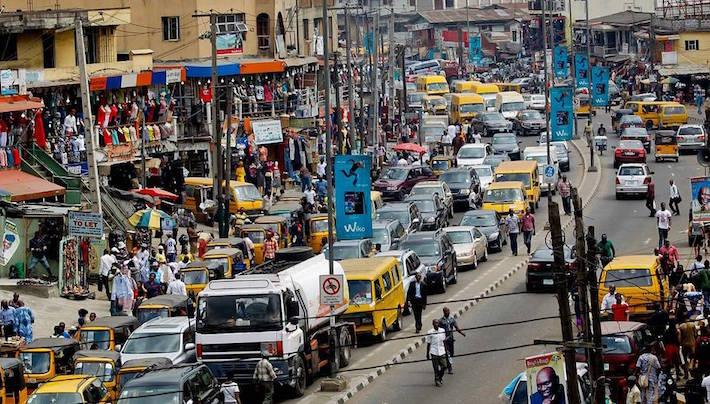
From Lekki to Mushin, from Ikotun to Oshodi, Lagos is rife with people who treat the city like a mega trash can. If you’ve ever flung a PET bottle out of a moving danfo window or dropped suya nylon on the road because “it’s the government’s job to clean up” – you’re part of the problem.
Read also: LAWMA unveils plans for strategic waste management in Lagos
Open urination and defecation;
While this isn’t a gender war, we must agree that men have been emboldened by culture and society to urinate anywhere at any time of the day, regardless of who’s watching or how that smell affects other people. Frankly, you cannot stand at Obalende Underbridge or Ajah’s Jubilee Bridge for longer than 2 minutes. The stench will dislocate your joints.
A recent BusinessDay report recounts how three young adults were squatting to openly defecate along the Apongbon Bridge in Lagos Island, despite the public toilet that was available just a few kilometres away. While the issue of inadequate public toilet facilities is often cited as the reason, the real issue is the mindset around public defecation.
It’s one thing to be so pressed that you have no choice but to relieve yourself wherever you can; it’s another to deliberately choose a public space. And street urchins constitute a different type of menace.
How does it affect you?
A United Nations Environment Programme report stated that 34 kg of plastic waste per person per year leaks into the Lagos water system; an equivalent of every Lagos resident throwing 10 plastic water bottles into waterways every single day.
When you dispose of your waste improperly, you’re actively contributing to clogged drains and canals, which exacerbate flash flooding.
Likewise, a World Bank report ranked Nigeria as one of the top three countries with people exposed to the most unsafe levels of pollution and environmental hazards. No wonder we have had to grapple with cholera and diphtheria outbreaks in Lagos State in the past months.
What can we do better?
The crux of reform lies in your mindset. It’s not another’s responsibility but yours first. Cut down plastic use; use bins and bags, not roads and gutters; and wait for waste trucks and legal waste disposal systems. Educate yourself and others around you. Get involved, volunteer in environmental sanitation efforts, and join tree-planting efforts.
Finally, Lagos doesn’t smell because it must; it smells because we allow it to. If you think sanitation is the government’s job alone, think again. Every plastic bottle you fling, every gutter you pollute, and every street you urinate on adds up. So, before you point fingers, look in the mirror.
The stench?
It starts and ends with you.
Zainab Aderounmu is a communications professional and a gender and climate advocate, working as a youth advisor to the European Union. Her contribution to society is that she holds on to her litter until she finds a bin to put it in.