Trump says the US wants to make tanks, not T-shirts
U.S. President Donald Trump said on Sunday that his tariff policy aims to help American companies make tanks and technology products, not sneakers and T-shirts.
Speaking to reporters before boarding Air Force One in New Jersey, Trump said he agreed with Treasury Secretary Scott Bessent’s comments on April 29 that the U.S. does not necessarily need a “booming textile industry”—comments that the National Council of Textile Organisations criticised.
Tariffs are taxes on imported goods that make foreign products more expensive, encouraging people to buy American-made items instead.
“We’re not looking to make sneakers and T-shirts. We want to make military equipment. We want to make big things. We want to make, do the AI thing,” Trump said.

“I’m not looking to make T-shirts, to be honest. I’m not looking to make socks. We can do that very well in other locations. We are looking to do chips and computers and lots of other things, and tanks and ships,” Trump said.
Trump extended the deadline for 50% tariffs on the EU
President Donald Trump has postponed his threat to hit European goods with massive 50% taxes until 9 July, following a phone conversation with Commission President Ursula von der Leyen.
The US president had originally planned to start charging these heavy import taxes on 1 June, but changed his mind after speaking with Commission President Ursula von der Leyen, who heads the EU’s executive arm.
“We had a very nice call and I agreed to move it,” Trump told reporters Sunday at Morristown Airport in New Jersey on his way back to Washington.
Von der Leyen responded on social media earlier Sunday, saying “Europe is ready to advance talks swiftly and decisively,” but “a good deal” will need “time until July 9.” This new deadline matches when Trump’s original 90-day break from his trade taxes was meant to end anyway.

OpenAI is setting up shop in South Korea
OpenAI has set up a legal business in South Korea to help more people use its artificial intelligence technologies.
The ChatGPT-maker plans to open an office in Seoul in the coming months and will hire staff to support partnerships with companies and policymakers, it said in a release Monday.
According to OpenAI, South Korea has the largest number of paying ChatGPT subscribers outside the US. The country would become OpenAI’s third office in Asia, following Japan and Singapore. The San Francisco-based company now employs almost 40 people in Japan and a further 20 in Singapore, it said.
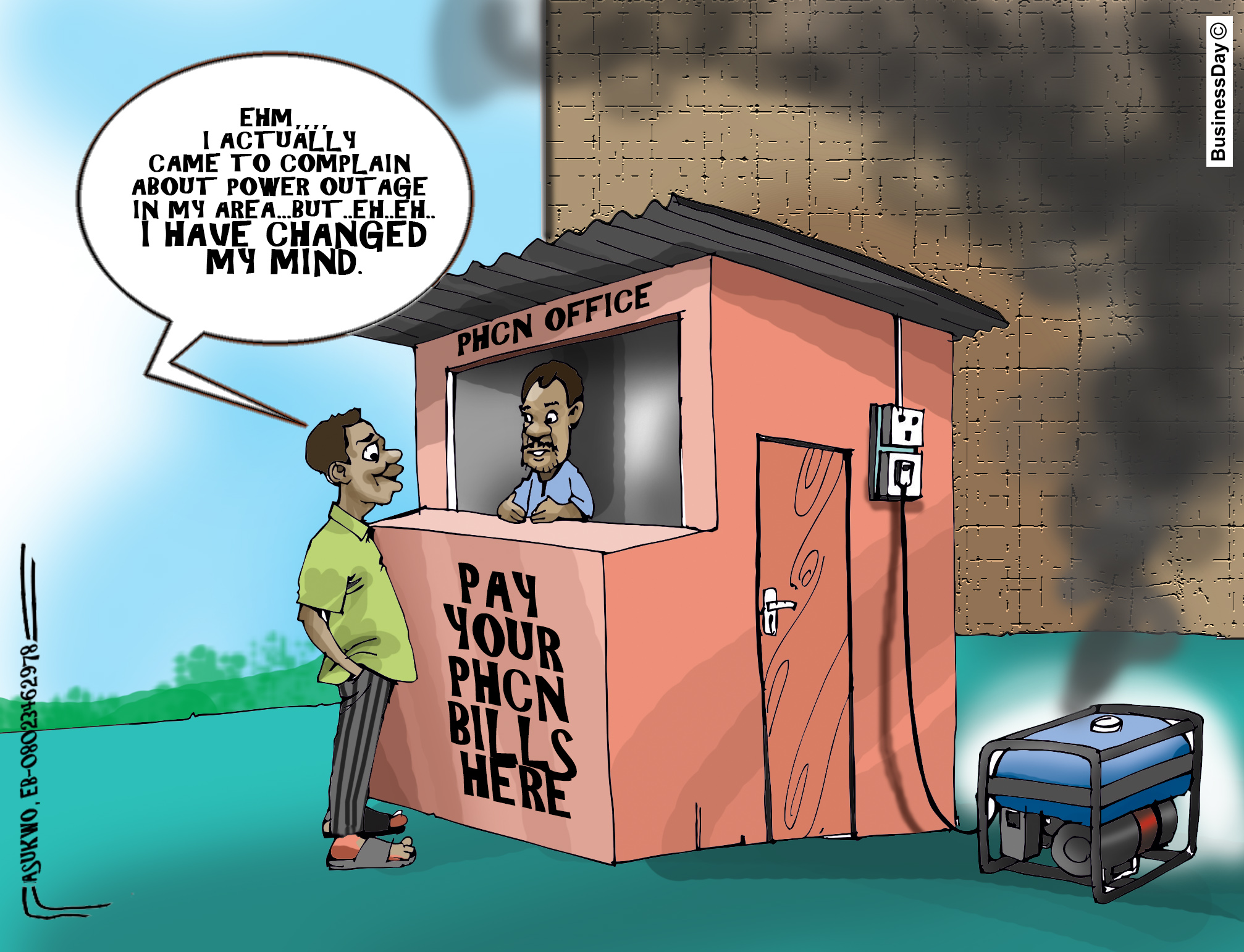
FG says Nigeria’s power sector has a 50% skill gap
The Federal Government says it currently lacks half of the skilled workers needed to efficiently run the country’s power sector, especially in the growing renewable energy space.
The Director-General of the National Power Training Institute of Nigeria, Ahmed Bolaji Nagode, shared this information during the official launch of the Next Gen RESCO Programme. The Rural Electrification Agency organised the event with help from NAPTIN and Eco-Innovation Empowerment Initiatives.
Renewable energy includes power sources like solar panels and wind turbines that don’t run out, unlike oil or coal.
According to Sunday’s release by REA following the event themed ‘Empowering Future Leaders in Renewable Energy’, Nagode stressed the urgent need to bridge the skills gap among Nigerian youths to meet the changing demands of the energy industry.
“This is a tripartite collaboration, carefully structured to identify, train and empower youths with the requisite skills to thrive in the renewable energy space,” he said.
Oil prices edged higher after Trump extended EU trade talks
Oil prices made small gains on Monday after U.S. President Donald Trump extended a deadline for trade talks with the European Union, reducing worries about U.S. tariffs on the bloc that could hurt the global economy.
Brent crude futures rose 18 cents, or 0.28%, to $64.96 a barrel by 0653 GMT while U.S. West Texas Intermediate crude climbed 17 cents, or 0.28%, to $61.7 a barrel.
Trade and tariff headlines, along with ongoing budget concerns, will create the main uncertainty for market feelings and crude oil this week.
Brent and WTI continued their gains after finishing 0.5% higher on Friday as limited progress in U.S.-Iran nuclear talks reduced concerns of more Iranian oil returning to global markets and U.S. buyers covered positions ahead of the three-day Memorial Day weekend.
Expectations limited the gains that the Organisation of the Petroleum Exporting Countries and their allies(OPEC+) could decide to increase output by another 411,000 barrels per day (bpd) for July at next week’s meeting.