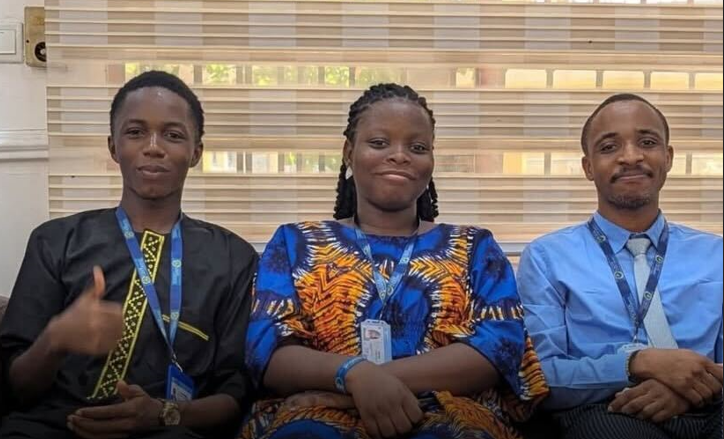
In the bustling halls of Caleb University in Lagos, three enterprising students are rewriting the rules of fruit quality assessment, and their innovation could be a game-changer for Africa’s agriculture sector.
Their secret weapon? An AI-powered mobile app that tells you, in seconds, whether a mango is ripe, underripe, or spoiled. It might sound simple, but this breakthrough tackles one of agriculture’s most stubborn challenges: how to quickly and accurately determine fruit ripeness to reduce massive post-harvest losses.
For farmers, traders, and consumers across Africa, this tool offers a fresh way to make better decisions—decisions that could mean the difference between wasted harvests and higher incomes.
Why this matters

Africa loses between 30 to 50% of its agricultural produce before it even hits the market, according to the Food and Agriculture Organization (FAO). Fruits like mangoes, which spoil quickly, are especially vulnerable. Without reliable, affordable ways to assess ripeness, smallholder farmers are left guessing—and often losing.
That’s where this app steps in. Using computer vision and machine learning, it scans a mango’s color, texture, and skin to give an instant ripeness report. It’s like having an expert fruit grader right in your pocket.
“The goal is simple: empower farmers with technology that’s easy to use and solves real problems,” says Harmony Abayomi, one of the app’s creators. “This isn’t just about mangoes—it’s about transforming how we approach food quality on the continent.”
Innovation born from lived experience
What makes this development especially compelling is its origin. Created by students who understand the daily struggles of farmers, the app is a homegrown solution tackling a deeply local problem with cutting-edge technology.

The AI model keeps learning and improving with every scan, making the tool smarter and more accurate over time. Plans are already underway to expand the technology to other key fruits like bananas, avocados, and tomatoes—all of which face similar spoilage challenges across African markets.
More than just an app
Beyond its technical prowess, the app has far-reaching implications. Reducing fruit waste means more food on tables, increased earnings for farmers, and higher quality produce reaching consumers and exporters. Early talks with local cooperatives aim to pilot the app in the upcoming mango season—a crucial test for scaling impact.
In a country grappling with food security challenges, high youth unemployment, and widening digital divides, this innovation is a beacon of hope. It proves young Nigerians are leading the digital economy charge.
This app is more than a technological breakthrough. It’s a bold statement: Nigeria’s future is being shaped by its own innovators, starting one ripe mango at a time.