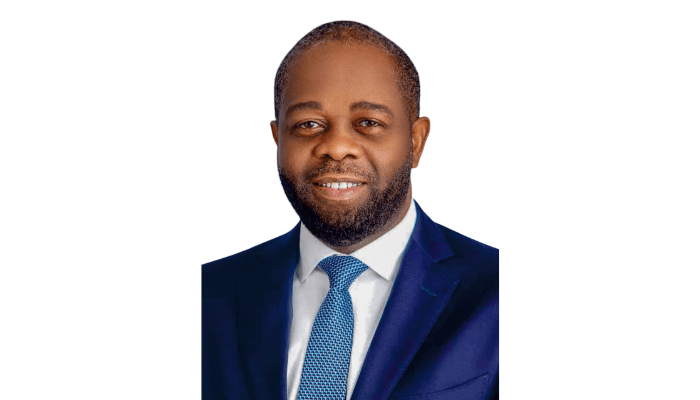
Nigeria’s healthcare system has long been plagued by challenges, including inadequate infrastructure, insufficient funding, and unequal access to care. Despite these obstacles, there are efforts underway to improve the situation. Kelechi Ohiri, a renowned expert in global health policy, has been at the forefront of these efforts. As the director-general of the National Health Insurance Agency, Ohiri has been instrumental in shaping the country’s healthcare landscape. With his extensive experience and expertise, he has brought a unique perspective to the challenges facing Nigeria’s healthcare system. Ohiri’s vision for the future of healthcare in Nigeria is centred around Universal Health Coverage (UHC), which aims to ensure that all citizens have access to essential healthcare services without facing financial hardship. In this article, we will explore Ohiri’s thoughts on the challenges facing Nigeria’s healthcare system and his vision for the future of healthcare in the country. By examining his ideas and experiences, we can gain a deeper understanding of the complexities of healthcare in Nigeria.
Kelechi Ohiri’s ideas command attention due to his vast knowledge and passionate conviction. Even when disagreeing, his perspectives are worth considering. With a strong educational background, including a medical degree from the University of Lagos and master’s degrees from Harvard T.H. Chan School of Public Health, Ohiri is well-equipped to navigate complex healthcare issues. He has also been recognised as a Desmond Tutu Fellow and is part of the Aspen Global Leadership Network. Ohiri’s commitment to improving healthcare in Nigeria is evident in his work, and his expertise has earned him recognition both locally and internationally.
Kelechi Ohiri has extensive experience in global health policy, having served on expert advisory panels for prominent organisations such as the Institute of Medicine, Centres for Disease Control and Prevention, World Bank, and World Health Organisation. In Nigeria’s public sector, he has held senior advisory roles with the Ministries of Health and Finance, leading large-scale initiatives like the Saving One Million Lives program and the National Social Safety Net Programme. Prior to these roles, he worked at McKinsey & Company in London, serving clients across Europe, the Middle East, and Africa. He also gained experience at the World Bank Group, focusing on social protection and health system strengthening in Asia, the Middle East, and Africa. Ohiri’s diverse experience has equipped him with a unique perspective on healthcare challenges and opportunities.

The healthcare landscape in Nigeria is challenging, with a growing population demanding better care and struggling with rising healthcare costs. Kelechi Ohiri reflects on the harsh realities of healthcare in Nigeria, citing examples of individuals struggling to access care due to financial constraints. He mentions a woman unable to afford a life-saving Caesarean section, a young girl abandoned by her family due to a fistula, and a man unable to afford treatment for a stroke or cancer. Citing the phrase “injustice in healthcare is the most inhumane,” he emphasizes the need for a more equitable system. Ohiri’s personal experience as a medical doctor has given him a deep understanding of the challenges faced by patients and healthcare providers.
Kelechi Ohiri emphasises the importance of educating people about how health insurance works, as it’s crucial for creating awareness and understanding. He notes that insurance isn’t synonymous with “free” care, but rather a system that helps manage healthcare costs. On universal health coverage, Ohiri argues that “free” programs are unsustainable without adequate resources, warning that they can lead to disaster. As the director-general of the National Health Insurance Agency, he advocates for health insurance as a more viable solution. Ohiri believes that health insurance can play a critical role in reducing healthcare costs and improving health outcomes.
A significant milestone was achieved when the President signed the Health Sector Renewal Investment Initiative into law, fostering a compact between the federal government and states. Championed by Coordinating Minister for Health and Social Welfare Prof. Muhammad Ali Pate, this initiative introduced a sector-wide approach with a unified plan and accountability framework. According to Ohiri, the Minister’s clear vision for the health system, coupled with the President’s support for Universal Health Coverage (UHC), provided strategic direction and brought much-needed order to the previously chaotic system. This initiative has created a platform for stakeholders to work together toward a common goal.
Read also: The Role of Medical Labs in Strengthening West Africa’s Healthcare Systems
Integrating Nigeria’s health insurance systems poses a significant challenge, requiring harmonisation of national, state, and private sector-led schemes. To achieve synergy and sustainability, an integrated mechanism is necessary to reduce fragmentation and inefficiency. According to Kelechi Ohiri, the new organisation faced a daunting task amidst a restless population demanding answers, particularly as healthcare inflation worsened, affecting those who couldn’t afford care. To improve service integration, the National Health Insurance Agency (NHIA) has engaged with various stakeholders, including other health insurance entities, state agencies, private insurers, and civil society. Ohiri believes that effective integration will require ongoing collaboration and communication among stakeholders.

Kelechi Ohiri acknowledges that there’s always room for improvement in the healthcare system, and future generations may develop better approaches. He respects the efforts of his predecessors and recognises that his successors may build upon or modify his work to further improve the system. Ohiri believes health insurance is a fundamental human right that shouldn’t be optional or politicised. He hopes to leave a legacy where Nigerians continue to enjoy financial protection from healthcare costs, regardless of the specific model used. His aspiration is for financial protection to remain a consistent policy priority, with Nigerians holding their government accountable for ensuring access to affordable healthcare, particularly for the most vulnerable populations. Kelechi Ohiri’s passion for saving lives and improving the healthcare system is evident in his work.
Contributed by Bashir Ibrahim Hassan, General Manager, Abuja & Northern Nigeria, BusinessDay