In the face of mounting economic pressures and widening inequality, the Nigerian government on May 5, 2025, launched the “Nigeria First” policy as part of the broader Renewed Hope Agenda, signalling a renewed commitment to prioritising local content, promoting indigenous enterprise, reducing dependence on foreign imports, and national interest in all spheres of governance, starting with prioritising local products in government procurements.
This policy promises to redirect focus toward homegrown development strategies, stimulate domestic production, and empower Nigerians through inclusive economic participation. But as the nation stands at a crossroads between aspirational reform and entrenched challenges, one pressing question emerges: Is “Nigeria First” a transformative realignment toward inclusive economic growth, or simply another chapter in the country’s long narrative of rhetorical ambition?
“If moved beyond rhetoric, this policy could be the catalyst Nigeria needs to boost employment, revitalise local industries, and reclaim its economic destiny.”
This inquiry is not just timely—it is essential. With Nigeria’s Vision 2050 aiming to position the country among the top global economies and its commitment to the Sustainable Development Goals (SDGs), every policy initiative must be scrutinised not just for intent but for impact. As inflation bites, unemployment persists, and inequality deepens, the effectiveness of “Renewed Nigeria First” will be judged by its ability to close the gap between policy and people.
Read also: The Nigeria First Policy: Why Local Cloud is Now a National Imperative

 Context and background
The recently announced Nigeria First policy under the Renewed Hope Agenda signals a bold shift toward economic sovereignty and self-reliance. Aimed at promoting domestic production, empowering indigenous industries, and reducing overdependence on imports, the policy aligns with rising global protectionist trends but is uniquely designed to address Nigeria’s urgent socio-economic challenges.
With over 63 percent of Nigerians living in multidimensional poverty, soaring import costs straining the naira, and infrastructure deficits costing the economy billions annually, the call for inclusive, homegrown solutions has never been more pressing. The federal government appears poised to lead this change through targeted investments in local industries, prudent public procurement, and revised spending patterns.
The Minister of Information, Mohammed Idris, announced that the policy would soon be backed by a presidential executive order. Meanwhile, the Minister of State for Industry, Trade, and Investment projected that the policy could add ₦3 trillion in economic value, underscoring its transformative potential.

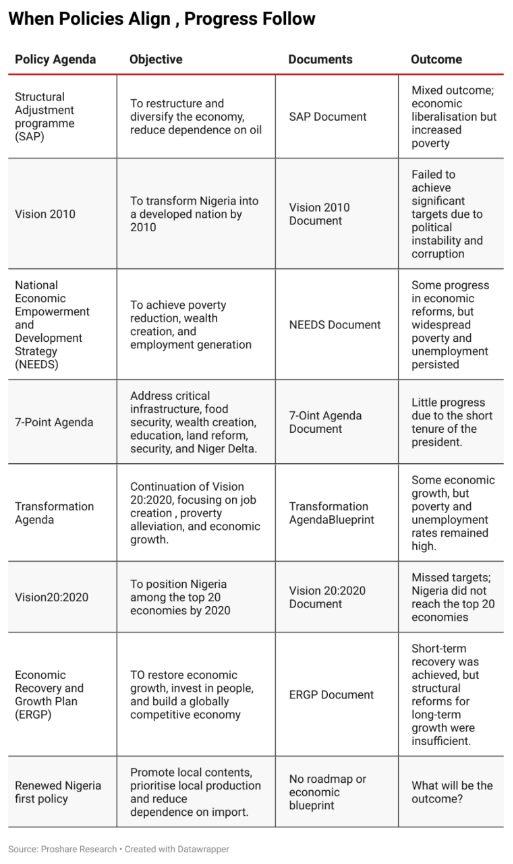
Unlike past nationalist efforts—such as Jonathan’s Vision 2020:2020 and Buhari’s Change Begins with Me—which faltered due to poor execution, Nigeria First promises better strategic alignment and implementation.
If moved beyond rhetoric, this policy could be the catalyst Nigeria needs to boost employment, revitalise local industries, and reclaim its economic destiny.
Policy pillars and promises
The Nigeria First policy under the Renewed Hope Agenda is anchored on reviving key sectors such as agriculture, manufacturing, energy, and the digital economy—sectors vital to inclusive and sustainable growth. By prioritising local value addition, the policy aims to reduce Nigeria’s import dependence by 30 percent, support Micro, Small and Medium Enterprises (MSMEs), and enhance rural economic inclusion. Notably, the Minister of Industry, Trade, and Investment projected that the policy would boost manufacturing sector growth by 20 percent over the next three years, creating over 500,000 jobs in the short term.
This approach aligns with inclusive development goals, as it empowers domestic producers, strengthens backward linkages in agricultural and industrial value chains, and promotes youth and gender-sensitive employment through the digital economy. The policy also emphasises improved energy access and infrastructure to drive competitiveness and unlock rural potential.
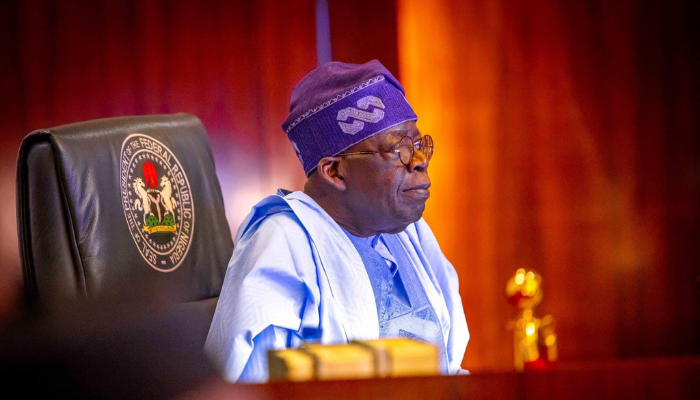
To institutionalise these priorities, the federal government has initiated key reforms. President Tinubu has approved an executive order supporting the policy, while the Federal Executive Council has directed the Bureau for Public Procurement (BPP) to adjust procurement thresholds to favour Nigerian-made goods and services. These tools, alongside expected tax and budget reforms, mark a coordinated effort to turn the Nigeria First vision into actionable progress.
Walk the talk: Evidence of progress or gaps
While the Nigeria First policy signals an ambitious pivot toward inclusive growth, its implementation remains at an early and uncertain stage. Government officials have projected positive outcomes—such as a 20 percent boost in manufacturing and 500,000 jobs in the short term—but concrete data to verify these gains is still limited. Local production continues to face headwinds, including poor infrastructure, high energy costs, and limited access to finance for MSMEs. Despite renewed rhetoric, Nigeria still imports a significant volume of essential goods, suggesting limited traction in reducing dependency.
Social investment and infrastructure development remain constrained by fiscal bottlenecks, with public-private partnerships yet to scale meaningfully. While procurement directives favouring local content have been announced, clear monitoring frameworks and enforcement mechanisms are still evolving.
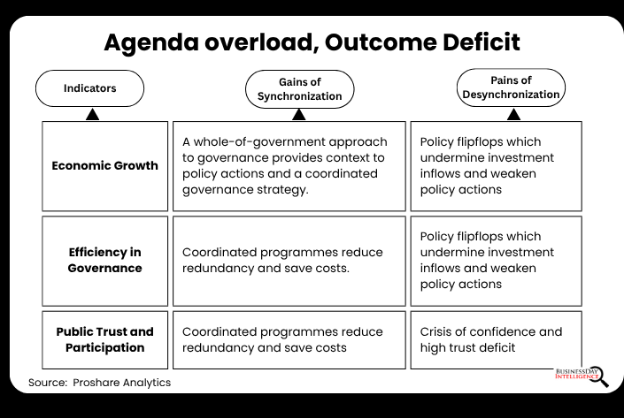
Citizen sentiment is mixed. Many Nigerians welcome the patriotic tone and economic focus of the policy but remain sceptical due to a history of policy reversals and poor execution. The private sector, especially indigenous manufacturers, cautiously supports the policy’s intent but seeks clarity, incentives, and consistency.
Ultimately, while the Nigeria First policy is directionally sound, walking the talk will depend on sustained political will, transparency, and institutional coordination that converts promises into tangible socioeconomic outcomes.
Read also: Five things to know about Nigeria’s First Policy
Inclusive growth test: Who will benefit?
At its core, the Nigeria First policy aspires to empower local enterprise and create inclusive opportunities. Provisions mandating technology transfer, local production partnerships, and skills development in foreign procurement contracts are promising in design. Additionally, the compulsory revision of procurement plans across all MDAs and strict sanctions for non-compliance suggest a more disciplined approach to implementation.
However, the true test lies in how benefits are distributed. Are women, youth, and the rural poor—groups most affected by unemployment and exclusion—gaining access to these opportunities? Structural challenges like limited access to quality education, financing for small businesses, and corruption still impede full inclusion. Without targeted programmes, marginalised groups may remain sidelined.
There’s also a risk that elite interests could capture the policy’s benefits. If implementation is left in the hands of those who routinely prioritise personal or political gain over national interest, the transformative potential of this initiative could be diluted. Moreover, regional imbalances in infrastructure and investment capacity may further exacerbate disparities unless consciously addressed.
Inspiring national pride is important, but unless policy intent is matched by ethical leadership and grassroots inclusion, Nigeria First risks becoming yet another well-crafted ambition outpaced by entrenched realities.
Minister Mohammed Idris stated the policy reflects President Tinubu’s vision to industrialise Nigeria and insulate it from global shocks. The Bureau of Public Procurement (BPP) has been directed to revise thresholds and develop a compliance framework to enforce local content.
While echoing protectionist policies like Trump’s America First, Nigeria’s version is uniquely tailored to address its development gaps—if faithfully implemented.