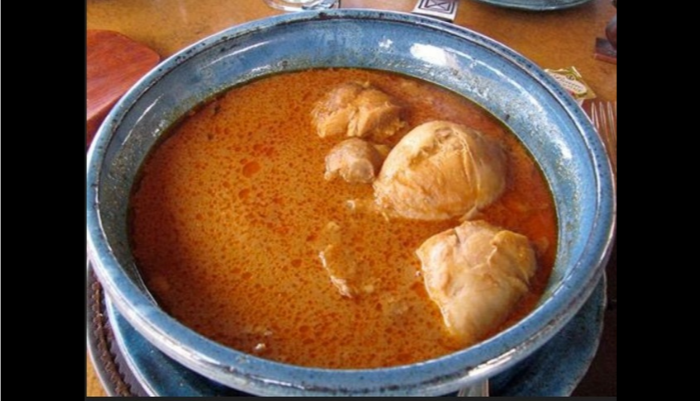
Groundnut, also known as monkey nut or peanut is botanically known as ARACHIS HYPOGAEA.
Although largely grown in Northern
Nigeria, ask those who used to see the {GROUNDNUT PYRAMIDS} in the nineties! Yet, all other parts of Nigeria are now known to have grown and relished this root pod!
A good example is Edo State! Amongst the Esans – they are known for preparing this lovely groundnut soup, otherwise called OMISAGWE. One great feature of osagwe soup is that although there is no need to add any oil, one or two cooking spoons of palm oil makes the soup tasty.
In the same vein, the Hausa who are also said to be one of the largest ethnic groups in West Africa are well known for groundnut soup.

They are mainly located in the sahelian areas of northern Nigeria and South Eastern Niger, many of which equally live in parts of Cameroon, Ghana, Côte d’ivoire, Chad and Sudan.
Predominantly, Hausa communities are scattered throughout West Africa and on the traditional hajj route across the Sahara desert. And one common culinary delight that cannot be taken away from the community is groundnut soup.
Groundnut soup is a well relished delicacy in the Northern part of Nigeria and amongst the Esan populace of the Edo Kingdom. This soup is also well accepted amongst the fulani, zarma, kanuri and gwari groups.
It is a cultural soup that has traced the tradition of the generations of mothers to daughters. Of course, this is linked to the ancient groundnut pyramid of the days of yore in Nigeria.
Groundnut, botanically known as arachis hypogaea, is grown profusely in northern Nigeria. The days of the groundnut pyramid can hardly be erased from the mind of those who interacted with that culinary and communial tradition. Though this happened many years ago, yet the northerners are very good at preparing traditional and well known cultural soups using either fresh, roasted or fried groundnuts.

Groundnuts seeds are harvested for their oil and high protein content. These seeds can be eaten raw, boiled, roasted or pureed for making groundnut soup. One beautiful feature of this soup is that there is no need to add any oil. The groundnut oil extract from the soup is usually used for the cooking. And worthy of note is that, in preparing this soup, fresh groundnuts are the best bet! Before we visit the kitchen to prepare this soup, it is important to note these seeds can be eaten raw, boiled, roasted or pureed for making groundnut soup.
In looking at a delightful soup that can make the UNESCO List of Intangible Cultural Heritage, the peanut soup/stew – Omisagwe in Esan, Edo State and well known Northern groundnut Soup can make the list. The culture of groundnut will not easily be forgotten.
Let’s visit the kitchen!
Recipe for 5 servings
2 kilograms chicken, meat or fish
1 large onion (diced or chopped)
10 large fresh tomatoes
Salt and seasoning to taste
3 cups fresh or roasted groundnut (dehusked)
4 fresh red pepper
Water for cooking
Small bunch of any vegetable (optional)
3 tablespoon ground crayfish
2 large dried fish (optional)
Small amount of ground ginger and garlic
Method
• Ensure that the groundnut is devoid of sand and sandy particles.
• Grind or blend into powder, ( although some people like to blend into a puree adding some water).
• Set the groundnut powder or paste aside.
• Meanwhile wash your chicken , meat or fresh fish, (for this meal we are using chicken but you can make do with any other meat you like.)
• Season with salt, seasoning, chopped onions, ginger, and garlic.
• Add a little water and bring to the boil and allow to cook until slightly tender.
• Blend the tomatoes and pepper and add to the cooking meat, including all the other ingredients.
• While all these are simmering, add the groundnut paste or puree to the meat, and rinse any remaining paste with water while adding this in.
• Cover and cook, keep simmering until you notice that the oil is floating over the top of the soup.
• Once you observe this, then the soup is ready!
• You can add your shredded vegetables, (remember its optional).
• Serve with the traditional tuwo or any meal or swallow you like.
Enjoy your meal till next edition.