|
Getting your Trinity Audio player ready...
|
Despite growing traffic congestion in Nigeria, its inland waterways, which span over 10,000 kilometers, remain underutilised.
Gboyega Oyetola, minister of marine and blue economy, in a 2024 statement, said that out of the 10,000 kilometres of waterways in the country, only 3,000 kilometres are navigable.
The National Inland Waterways Authority also said that 28 out of Nigeria’s 36 states can be accessed through water, linked to five neighbouring countries (Benin Republic, Equatorial Guinea, Cameroon, Chad, and Niger)
A country with so many states that can be accessed via water presents opportunities for commerce, trade, and tourism, but these opportunities are underutilised.

Read also: NIWA moves to design new blueprint for waterways operations, management
In no particular order, here are five reasons Nigeria’s inland waterways remain neglected
Security concerns
In some regions, especially the Niger Delta, insecurity on the waterways ranging from piracy to kidnapping discourages private investment and public use.
Poor infrastructure

Many waterways are silted, shallow, or blocked, making navigation dangerous or impossible. The lack of regular dredging and maintenance has left vital routes—like the River Niger and Benue—underused and seasonally impassable.
Limited government investment
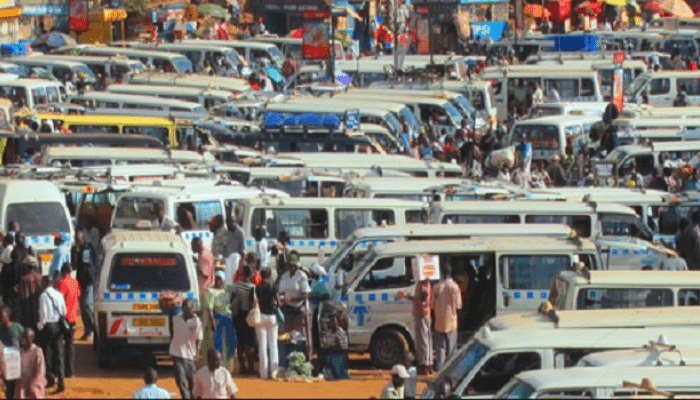
Investments in Nigeria’s waterways are often small compared to road transportation. For example, Nigeria recently approved a $652-million China Exim Bank funding package for the construction of a road to move goods from a sea port and a petroleum refinery on the edge of its main city, Lagos, to its southern states, but we hardly see such investments in its waterways transportation.
Read also: Negligence and danger: Nigeria’s waterways demand urgent accountability
Poor intermodal connections with other transport systems
Water transport is rarely linked with road or rail systems, making logistics complex. Without seamless intermodal connections, the appeal of using boats or ferries remains low for both cargo and passengers.
Lack of awareness
Many Nigerians view water travel as unsafe or unreliable. Without consistent government promotion, visible success stories, or safety assurance, the public remains hesitant to embrace inland waterways.
By unlocking the opportunities Nigeria’s waterways have, with bold reforms and strategic investment, could ease pressure on roads, lower transport costs, and open up economic opportunities along riverine communities.