|
Getting your Trinity Audio player ready...
|
Digital transformation is sweeping through various professions and, in architecture, practitioners believe it is the surest route to building smarter cities across Nigeria.
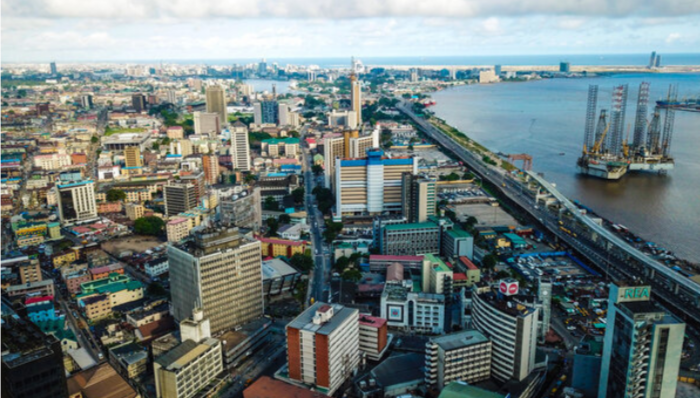
The practitioners say the future of architecture depends, to a large extent, on the adoption of technology whose transformative power cuts across all sectors, especially in Lagos—a vibrant city that constantly reinvents itself.
“Digital tools, ranging from advanced modelling software and virtual reality to big data analytics and artificial intelligence, are reshaping the way we design, plan, and construct our built environment,” Biodun Fatuyi, chairman, Nigerian Institute of Architects (NIA), Lagos Chapter, disclosed recently.
Fatuyi spoke at the just concluded 4-day Lagos Architects Forum organized by the NIA Lagos Chapter with the theme, ‘Digital Transformation in Architecture: Building Smarter Cities.’

He noted that this year’s edition of the Forum, which is the 16th in the series, marks a significant milestone, a testament to the enduring spirit and unwavering commitment of the NIA Lagos Chapter to shape Lagos built environment with vision, skill, and a deep sense of responsibility.
“Here, in the vibrant heart of Lagos, we have gathered to explore critical issues, emerging trends, and groundbreaking solutions that define the future of architecture in the state,” he said.
He described the Forum as a unique platform for them as practitioners to explore the advancements in technology, learn from global experts, share experiences, and envision how they can leverage digital transformation to build a smarter, more sustainable, and more livable Lagos for all Nigerians.
Fatuyi assured that the Forum would provide a unique opportunity to network, share knowledge, and forge collaboration that would, undoubtedly, enrich individual practices and collectively elevate the standards of Architecture in Nigeria.
Read also: Evaluating role of FM in design and construction

Describing the Forum as a journey of discovery and dialogue, the chairman encouraged participants to embrace the opportunities presented, challenge conventional thinking, and contribute their unique perspectives.
In his short presentation at the Forum, Adekunle Olayinka, Special Adviser, Office of Works in Lagos State, described the theme of the Forum as timely and well-conceived.
He said that digitalization is a catalyst; not only a channel for rapid increase in implementation cases, but also an adaptation of digital technologies in the operational methods of construction organizations.
Olayinka disclosed that Lagos State government has already embraced digitization such that infrastructure development in the state is driven by effective data gathering and analysis, digital technologies and refined strategic approach to processes, resulting in new projects conceptualization and improved projects implementation.
According to him, some of the state government’s digitalization efforts are Lagos Connect which serves as campus-based internet service for all staff; Citizensgate which is an electronic reporting platform ensuring inclusiveness of all in government activities, and Digitalization of the public service staff files and records.
He noted that construction organizations are still in the process of adapting to the changes brought about by digital transformation, resulting in lack of standardized procedures or well-defined frameworks to facilitate the systematic and efficient integration of technologies.
“Currently, some technologies have not yet achieved optimal level of economic efficiency, making them less cost-effective compared to other available solutions,” he said.