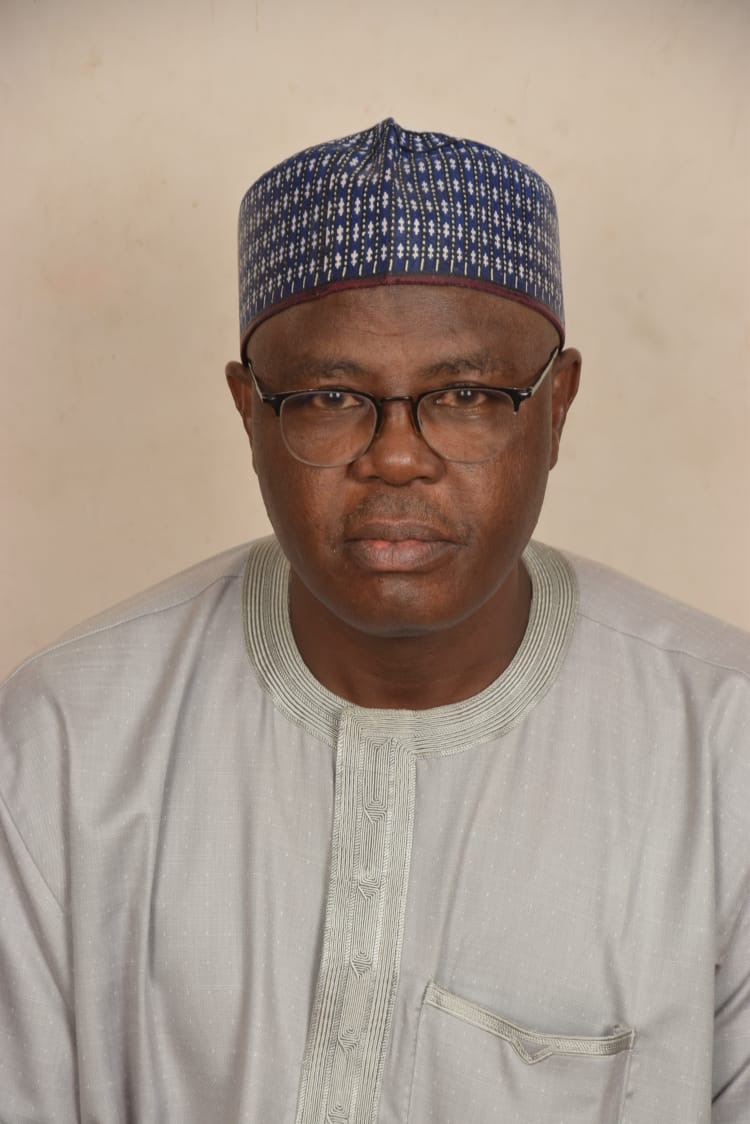
By Muhammad Musa-Gombe
Nigeria’s transport sector stands at a critical juncture. With a rapidly growing population, mounting economic pressures, and the pressing demand for sustainable infrastructure, the Tinubu administration faces the formidable task of revitalizing a system long plagued by inefficiency and neglect. While recent reforms show promise, the true measure of success will lie in their execution bridging the gap between intent and tangible results.
A key focus of the government’s strategy is the revitalization of Nigeria’s rail network, which has suffered decades of underinvestment. The ongoing standard gauge rail projects; particularly the Lagos–Kano corridor demonstrate notable progress. The operational Lagos–Ibadan and Abuja–Kaduna segments, along with the nearing completion of the Kaduna–Kano stretch, signal momentum. Additionally, the Kano–Maradi line, extending into Niger Republic, underscores Nigeria’s ambition to bolster regional trade.
Meanwhile, the Eastern Narrow-Gauge corridor is undergoing phased rehabilitation, with the recently completed Port Harcourt–Aba section marking a milestone. However, the full delivery of the 1,443-kilometre network remains incomplete, a stark reminder of the need for sustained funding and disciplined project management.

Complementing these efforts is the introduction of e-ticketing systems on major rail routes through public-private partnerships. This shift from opaque, manual processes to digital solutions is a welcome step toward transparency and efficiency.
The push for cleaner energy in road transport is another critical component of the reform agenda. Under the National Compressed Natural Gas (CNG) Initiative, pilot fleets of CNG-powered buses have been deployed in Lagos, Abuja, and Kano, promising fuel cost savings of up to 40%—a crucial relief for an economy still adjusting to fuel subsidy removal.
However, scalability remains a hurdle. While the training of over 350 technicians at newly established conversion centres is commendable, a far more aggressive expansion is needed to move beyond the pilot phase. Without sustained investment and policy backing, this initiative risks stalling before achieving meaningful impact.
On the policy front, the long-awaited National Land Transport Policy has been validated by stakeholders and awaits Federal Executive Council approval. If effectively implemented, it could provide the much-needed strategic framework for Nigeria’s fragmented transport sector.
Equally significant—though less discussed, is the ongoing unbundling of the Nigerian Railway Corporation (NRC), a move long advocated by experts to enhance operational efficiency and attract private investment. Plans to concession seven inland dry ports and accelerate the Lagos–Calabar Coastal Rail project further highlight a shift toward integrated, multimodal transport solutions.
Despite these efforts, formidable challenges persist. Budgetary constraints remain a major bottleneck, with only 34% of the Ministry of Transportation’s 2023 capital allocation released—severely hampering project execution. Technical disruptions on key rail lines earlier this year also exposed lingering maintenance and oversight deficiencies.
Moreover, Nigeria’s total rail coverage, just 3,800 kilometres, is to say the least grossly inadequate for a nation of over 200 million people. To unlock its economic potential, infrastructure development must outpace demographic growth.

History is replete with well-intentioned transport reforms that faltered due to policy reversals or half-hearted execution. What sets the current agenda apart is its holistic approach towards encompassing rail modernization, clean energy adoption, institutional restructuring, and digital innovation.
Yet, the ultimate test lies in delivery. Will these initiatives endure beyond political cycles, or will they join the graveyard of abandoned blueprints? The answer hinges on the government’s ability to secure financing, enforce accountability, and foster robust private-sector collaboration in the coming months.
The stakes could not be higher. A modern, efficient, and interconnected transport system would not only slash logistics costs but also position Nigeria as a competitive force in West Africa. The vision is clear—but without sustained momentum, it risks remaining just that: a vision.
Now is the time for action.
_Muhammad Musa-Gombe, a former editor with Concord Press, writes from Abuja._