Nigeria’s House of Representatives is one that is characterised by paper files, shouting matches, and the occasional confusion over who said what, or voted how; but, that analogue rhythm may gradually be giving way to the click of buttons and touchscreens, as the House has taken steps towards digitisation of its chambers.
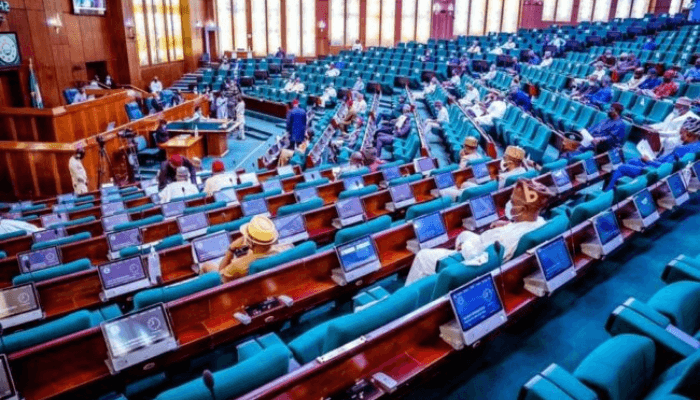
In a long-overdue move into the digital age, the House has rolled out a suite of electronic communication devices for each of its 360 members. Tajudeen Abbas, speaker of the confirmed what observers in the gallery had already begun to notice: rows of small electronic terminals appearing at lawmakers’ desks.
Read also: Reps move to enhance agric innovation in rural areas
“I would like to highlight the enhancement of the digital infrastructure within the chamber, which will greatly facilitate legislative activities”, Abbas said while addressing Lawmakers at the resumption of plenary last Tuesday.

The National Assembly initially adjourned plenary on March 27 to allow members observe the Sallah and Easter festivities, and subsequently postponed resumption from April 29 to May 6. The Lower chamber appeared to have carried out the upgrade during this period of recess.
These devices, as seen in some climes could be used to vote electronically on motions, bills, and other legislative matters, Access legislative documents; Communicate with the presiding officer or clerks during proceedings. It is expected to enhance efficiency, transparency, and record-keeping during plenary sessions.
How the House will apply these devices or initiate further upgrade could transform legislative proceedings. Beyond efficiency, transparency is perhaps one of the biggest win. Citizens want to able to see how their representatives vote on controversial bills—no more hiding behind collective “voice votes” or procedural ambiguity.
Nigerians still recall what played out during the House approval of state of emergency rule imposed by President Bola Tinubu in Rivers State and the confirmation of Vice-Admiral Ibok Ibas as its sole Administrator after the suspension of the governor, Siminalayi Fubara and his deputy, Ngozi Odu.
The use of a voice vote to approve such a weighty measure drew swift criticism from civil society groups, legal scholars, and even some lawmakers, who argued that it was unconstitutional.

Some CSOs argued that for a State of Emergency to be legally approved, there must be a recorded, individual vote (division vote) to confirm that the numbers add up to the constitutional requirement.
This criticism is in recognition of the fact that the 1999 constitution (as ammended) mandates that a state of emergency in any part of Nigeria proclaimed by the president must be supported by a two-thirds majority of all the members of each House of the National Assembly.
Perhaps if the House had employed digital system to transparently show the votes, critics argue the controversy might have been avoided. Additionally Nigerians may have more confidence in its legislative process.
But for now, the new tech remains a symbol more than a tool. They have not made any clear difference yet in the House as the traditional processes remained in place throughout last weeks plenary. But Nigerians are watching as coming plenary sessions unfold. However, the visual impact is undeniable. It’s a different energy.
Read also: Reps will prioritise consideration of electoral reforms, says Speaker
Even in its early stage, the digital shift signals a willingness to modernise, a gesture not lost on younger Nigerians increasingly frustrated with analogue governance in a digital world.
If fully embraced and sustained properly, the electronic upgrade could ripple beyond Abuja. It could set a precedent for state assemblies, many of which still rely on paper-based processes. It also nudges Nigeria’s democratic infrastructure closer to the digital norms seen in parliaments across Europe, South Africa, and even parts of Asia.
For now, though, it remains a work in progress, a quiet promise under the dome of the green chambers, waiting for the final switch to be flipped.