|
Getting your Trinity Audio player ready...
|
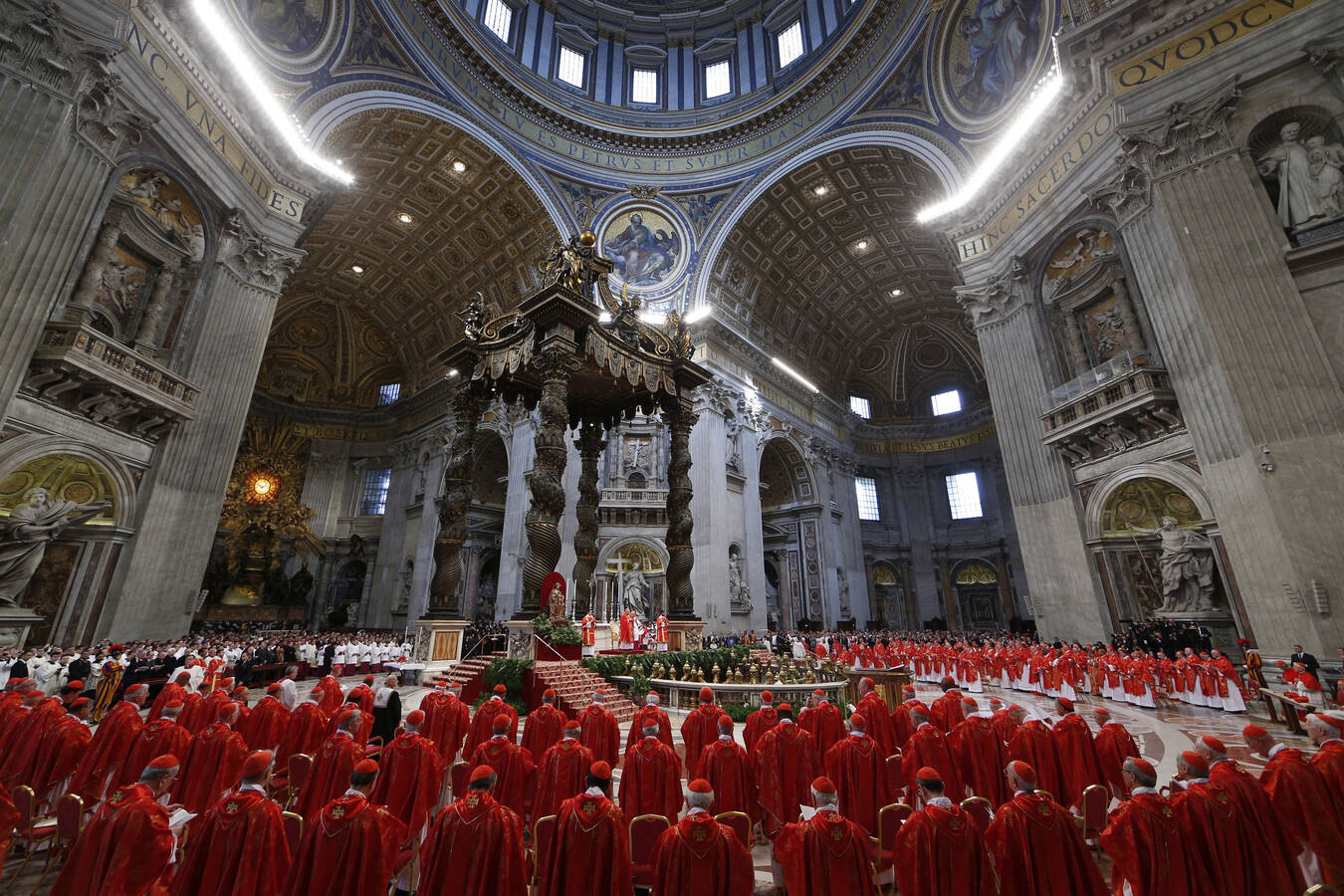
On Thursday, the world witnessed a historic moment as the Catholic Church, which has 1.4 billion members, elected Cardinal Robert Prevost, now Pope Leo XIV, as the 267th pontiff. Prevost, a former bishop from Chicago, became the first American pope, ushering in a new chapter in the Church’s global leadership.
Beyond the religious significance of this event, it provides a critical template from which secular governments, especially Nigeria, can learn valuable lessons about conducting transparent, credible, and respected elections.
In Nigeria, the credibility of elections has remained a contentious issue. Allegations of vote buying, ballot box snatching, compromised electoral officials, and voter suppression have marred many of the nation’s elections. In contrast, the Catholic Church’s papal conclave, while rooted in centuries-old tradition, exemplifies a process that is structured, secretive for security and sanctity, yet transparent in its outcome.
The conclave is built on the foundation of internal accountability. Cardinals from around the world are locked in the Sistine Chapel without access to phones, media, or visitors, ensuring that the election is free from external pressures. This isolation helps maintain the integrity of the process. Nigeria’s Independent National Electoral Commission (INEC) could adopt a similar strategy by strengthening the neutrality of its officials and shielding them from political interference.

One of the most commendable features of the papal election is the absolute confidentiality that guides the process. Cardinals swear an oath of secrecy before deliberations begin. This culture of discipline and commitment ensures that the sanctity of the election is preserved. In contrast, Nigeria often sees leaks, misinformation, and politically motivated propaganda during its electoral process, leading to mistrust and violence.
While the conclave is secretive, the Church ensures symbolic transparency. The use of black or white smoke to indicate whether a new pope has been elected is a time-honoured tradition. Though simplistic, it shows the world that the process is ongoing or has reached a conclusion. Nigeria can emulate this kind of symbolic openness, providing timely and clear updates during elections without jeopardising security or inciting unrest.
Furthermore, the Church’s electoral process is driven by a strong moral compass. Cardinals are guided not only by tradition but by conscience and spiritual integrity. There is no campaigning, no public lobbying, and no external advertising. Each vote is cast solemnly, reflecting a desire to serve. Nigeria must find a way to instil such a spirit of service in its politics, where elections often become a fierce contest for wealth and power rather than a responsibility to serve.
Inclusivity is another strength of the Catholic election model. Despite the closed nature of the conclave, the diversity of cardinals ensures that voices from every continent are heard. This contrasts sharply with Nigeria, where marginalised groups, particularly women, youth, and people from certain regions, are often excluded from the political process. True representation must go beyond tokenism to full inclusion.
Papal elections also require a two-thirds majority to select a pope, ensuring broad consensus. This helps prevent division and strengthens the legitimacy of the elected leader. Nigeria could learn from this by strengthening its electoral laws to encourage wider acceptance and reduce post-election litigation and violence.

In Nigeria, political candidates often view elections as a winner-takes-all battle. The Catholic model discourages this mindset. The pope is not elected to dominate, but to serve and unite. Nigerian politicians must move beyond ethnic, religious, or regional loyalties and foster unity.
Another noteworthy lesson is the Church’s continuity. Once a pope is elected, the Church immediately rallies behind him. There are no protracted court battles or delayed handovers. In Nigeria, transitions are often contentious, with losing parties refusing to concede, sometimes dragging cases for months. This stalls governance and polarises the nation.
The humility displayed by candidates in the papal conclave is refreshing. There is no public display of ambition or rivalry. Cardinals enter the conclave aware that any one of them could be chosen, but few actively seek the office. This contrasts with Nigeria’s political landscape, where ambition often supersedes qualification or national interest.
Moreover, the conclave has mechanisms in place to prevent deadlocks. If cardinals fail to elect a pope after multiple rounds, the process evolves to ensure resolution without compromising integrity. Nigeria can benefit from such fail-safes, especially in scenarios where elections are declared inconclusive or where violence forces a rerun.
The role of tradition and ceremony also adds weight to the papal process. The gravity of the moment is not lost on the cardinals or the global audience. Nigeria’s elections must regain this sense of sacred duty—elections should be treated as serious, consequential events, not transactional power plays.
In terms of logistics, the Vatican is methodical. Every stage is well-planned, from lodging for the cardinals to vote counting and communication. Nigeria often struggles with logistical failures, delayed materials, broken machines, or absent officials. Proper planning and contingency measures are essential.
Perhaps the most powerful lesson is the Catholic Church’s ability to evolve within tradition. While holding onto its core values, it has adapted to the needs of a global Church. Nigeria, too, must innovate within its democratic framework—adopting technology, protecting rights, and ensuring that democracy is not just practised, but perfected.
Trust in the process is another hallmark of the papal election. The global Catholic faithful wait patiently and accept the outcome without protest. In Nigeria, elections are frequently followed by widespread scepticism. Building trust requires consistency, accountability, and justice.
Leadership in the Church is not just about popularity, but capability. Cardinals are selected based on experience, theological depth, and leadership qualities. Nigeria must move toward meritocracy, electing leaders with proven track records and vision.
Finally, Pope Leo XIV’s election was not just a religious event, it was a global moment that united Catholics in hope. Elections in Nigeria should similarly be a unifying national ritual, not a source of division and despair.
As Nigeria looks ahead to future elections, it must take cues from institutions like the Catholic Church, where the weight of leadership is honoured, and the integrity of the process is protected. Only then can the country truly claim to be the democratic giant it aspires to be.