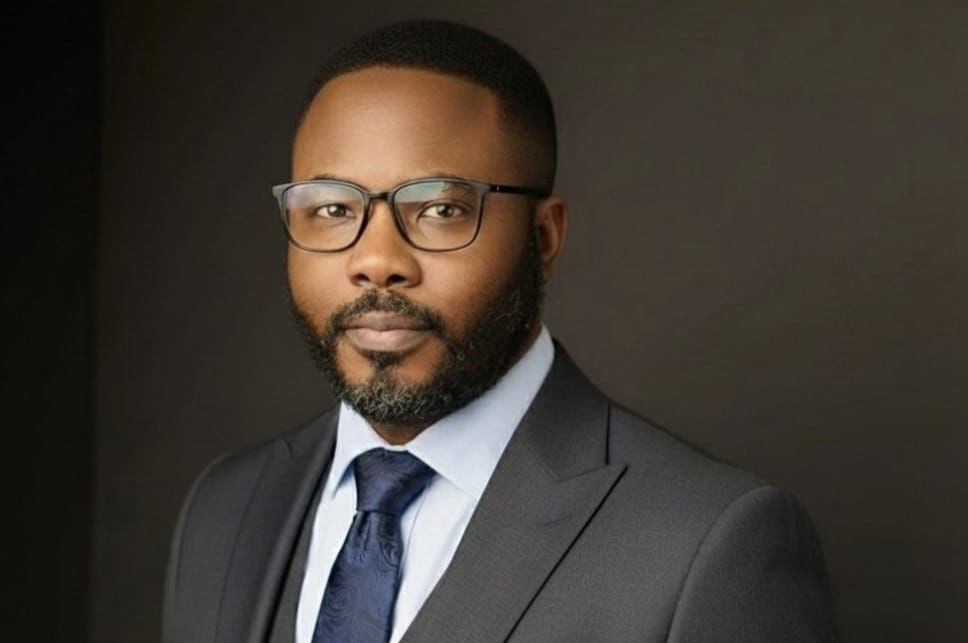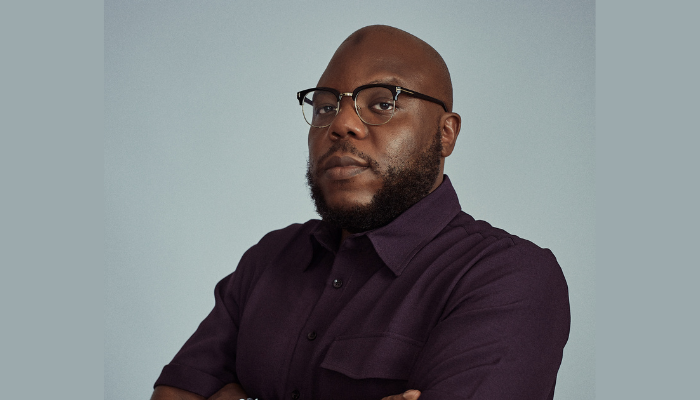
Bizzle Osikoya, a key figure in Nigeria’s music industry, has spent years shaping careers from behind the scenes.
His journey from working as an A&R at Storm Records with artists like Naeto C and Sasha P, to helping develop Wande Coal and Dr. Sid at Mohits Records, to managing Tiwa Savage at the start of her career, reflects a deep commitment to artist development.
In a conversation focused on the realities of the current digital age, Bizzle shares how artist growth has changed and what still remains essential.
Patience still matters in a fast-moving industry
Bizzle emphasises that although digital platforms have transformed how artists gain exposure, the fundamentals of career building remain. “Talents have evolved dramatically with digital platforms,” he says. “We now see so many DIY artists making music and marketing it themselves without the need of a major label or management team.”

Still, Bizzle believes that patience plays a bigger role than ever. “Virality is often mistaken for true career success, which isn’t so,” he says. “Most times, viral moments are temporary depending on how the artist and the team are able to capitalise on it.”
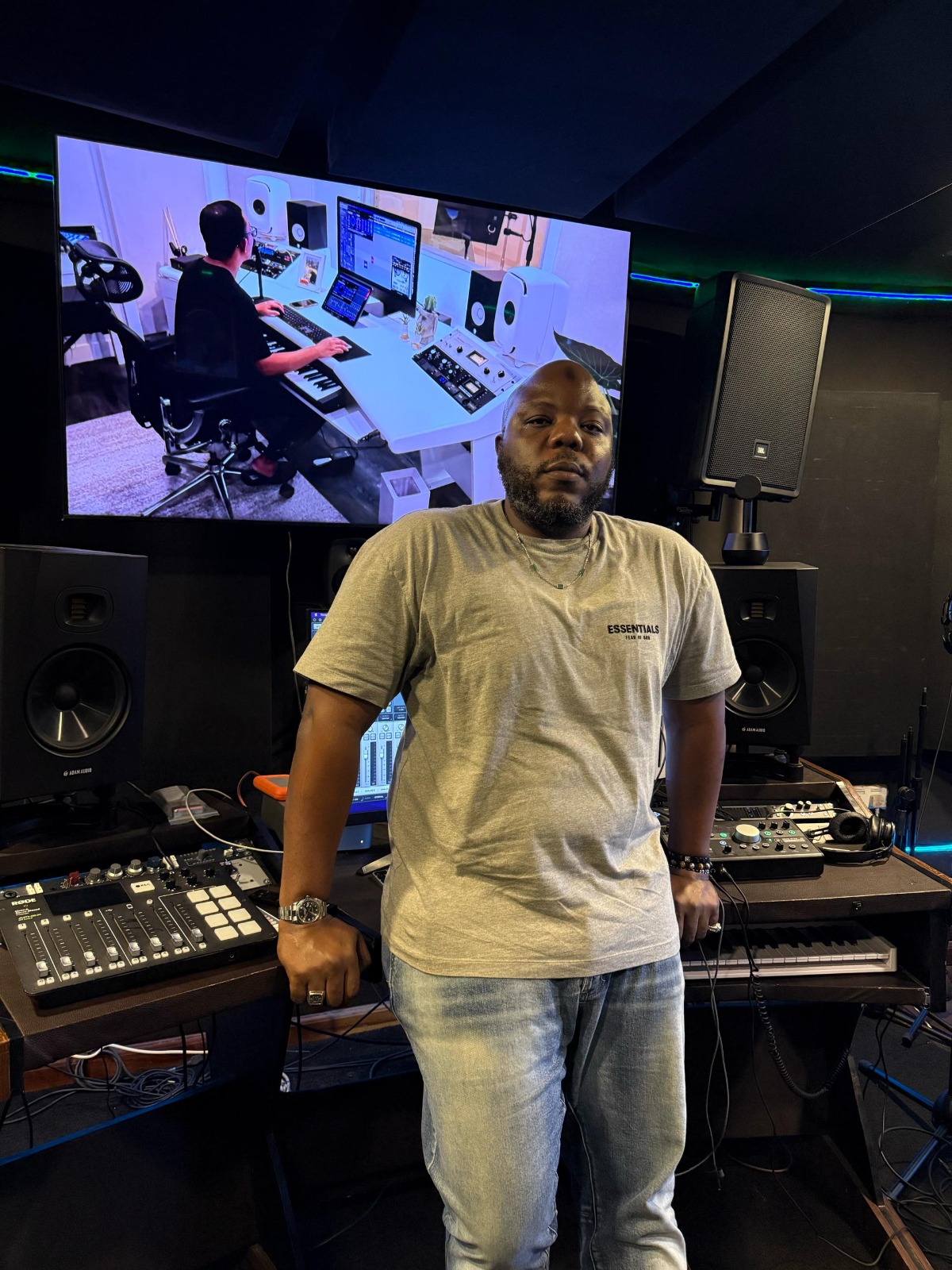
He adds that beyond the spotlight, proper development includes building emotional resilience, a loyal fan base, and a unique voice. When an artist trends suddenly, Bizzle argues that momentum must be supported with strong structures. “You have to be ready to create enough content to keep driving traffic and also have a proper team to help define the brand identity of the artist,” he says.
On how he helps artists navigate short-term attention and long-term career planning, he stresses the importance of storytelling and identity. “Every artist needs to build a core story early in their career, then separate the content from the art.”
Read also: “Food has a unique way of connecting people” — Ify Mogekwu on her journey from law to cuisine

Data is powerful, but instinct still counts
The rise of streaming data, social media insights, and digital trends has changed how A&Rs discover talent. “It’s like we have magical powers to spot potential earlier, sharper, and smarter than before,” Bizzle explains.
However, he warns against relying solely on data. While data provides early indicators, he believes that human instinct and deep understanding of artist’s potential will continue to matter. “The A&R role is evolving fast,” he says. “Over the next five years, it’s likely to shift in a few major ways—largely because of how younger creatives, new platforms, and AI are reshaping the landscape.”
The job of the A&R today, Bizzle argues, goes beyond finding new acts. “Their broader responsibility is to develop, position, and maximise the potential of that talent.”
Bizzle has seen raw talent fail due to poor timing and lack of structure. He describes this experience as a recurring lesson. “My take is never to rush greatness.”
Preparing artists for long-term careers and global success
When asked about artists who are ready for audiences beyond Nigeria, Bizzle says there are no clear markers anymore. “To be honest, you never can tell in this new internet age, when songs are blowing up outside of Nigeria before Nigeria. You just have to be well prepared.”
He encourages young creatives to focus on consistency and growth. “Build a recognisable style or voice, but allow it to mature over time. Don’t get trapped in one era of yourself.”
Reflecting on his earlier days working with legacy acts and helping to organise the One Africa Music Fest in the United States, Bizzle sees continuity in artist development principles even as tools have changed. “It’s still the same process of helping an artist grow from raw talent into a complete, long-term, sustainable brand and career,” he says.