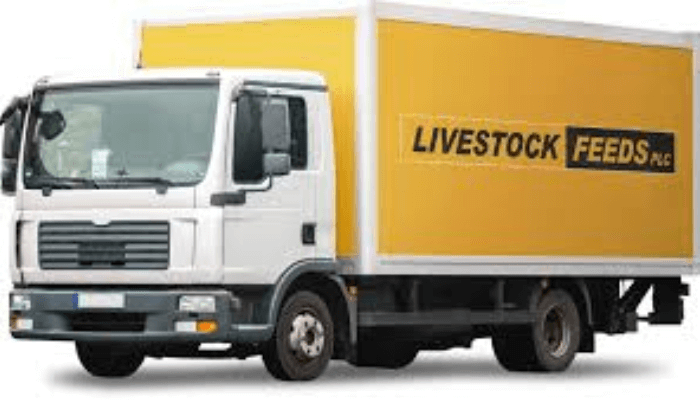
Livestock Feeds Plc is feeling the heat from rising operational costs that have seen the Lagos-based feed manufacturer net income take a hit by nearly 80 percent.
According to the company’s unaudited financial report for the first quarter (Q1) of 2025, cost of sales surged 53 percent year-on-year, climbing from N6 billion in Q1 2024 to N9.2 billion in the same period in 2025.
This rise in input costs plunged net profit by 79 percent, with earnings dropping from N181 million to N38.2 million, raising concerns about the company’s profitability outlook for the remainder of the year.
The jump in cost of sales, expenses tied to the direct production of goods, was primarily driven by fluctuations in inventories of finished goods and work in progress, which accounted for N8.8 billion.

Read also: Livestock Feeds’ profit hits 7-year high
As the cost base expands faster than revenue, profitability takes a hit, raising red flags for investors and stakeholders.
Despite these constraints, gross profit increased still, rising by nearly 40 percent to N1.5 billion from last year’s N1.09 billion.
Amid the decline in net income, the firm recorded a significant rise in sales which boosted revenue to N10.8 billion, a 51.30 percent jump from N7.1 billion last year, primarily driven by the impact of rising finance and sales costs.
Analysts say the results highlight structural cost pressures in Nigeria’s agribusiness sector, particularly amid inflation, currency volatility, and rising logistics expenses.

Though the firm saw its operating profit rise by over 36 percent, increasing from N739 million to more than N1 billion in the period under review, the gains were eroded by a 53 percent jump in cost of sales.
The improvement in operating profit points to stronger core business performance, driven by better sales and cost controls at the operational level.
Analysts suggest the company may need to reassess its cost structure or pricing strategy to stay competitive in a volatile agribusiness environment.
Read also: Livestock Feeds earnings per share rises to 13-year high
In terms of sales performance, Aba emerged as the leader with N4.8 billion, surpassing Ikeja, which accounted for N3.7 billion. Northern operations contributed N1.6 billion, while the Onitsha operations generated sales of N569.7 million.
Earnings per share decreased from N6.04, marking a 79 percent decline compared to N1.27 it stood in the corresponding period this year.
This reflects a significant drop in the company’s profitability and may raise concerns among investors, potentially affecting the stock price if confidence in future performance weakens.