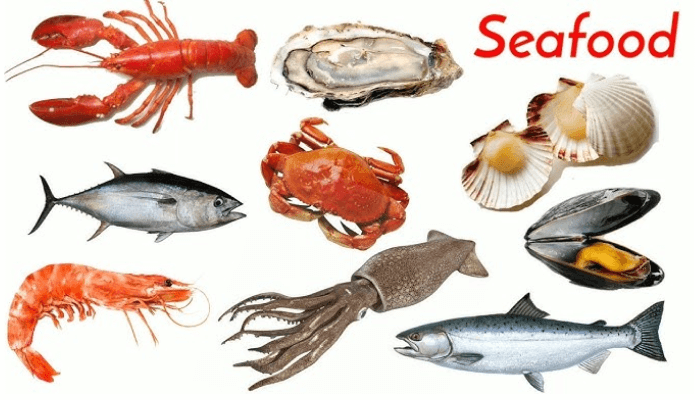
Let us begin with the fundamental questions -when last did you eat not only catfish and titus fish but sea foods such as prawns, shrimps, periwinkles, clams, crabs and oysters? It might have been weeks, or even months ago. And let us be honest about it, how many of us realize what we have missed by not eating them? Are we truly aware of the immense nutritional benefits of eating sea food items on regular basis? Few, if the truth be told. But before we delve into their health related issues of their consumption let us take a look at some statistical figures with regards to the production, revenue potentials and consumption patterns of these valuable foods particularly here in Nigeria.
According to the reliable online portal, Statistica a 2015 study indicates that Nigeria produces between 1.1 million metric tonnes and 1.2 million metric tonnes (mmt) of fish annually. These include from marine catches, inland waters and aquaculture. But the annual demand is 3.6 mmt. That provides a gap of about 2.4 mmt per annum. Read through that again. What does that tell us? That there are vast opportunities still waiting to be tapped into in Nigeria’s first industry.
Interesting too is that 72% of us eat fish, up from 59% back in 2010.That is encouraging, is it not? Yes, of course, it is. The revenue in the nation’s fish and seafood industry amounts to $17.88 billion (Dollars). And it is growing by 11. 51% in 2025. The volume is expected to rise to 734.60 million kilograms by 2030. The average volume per person is expected to amount to 2.7kg this year.The growth rate is expected to rise at 3 8% in 2026. Yet, the world’s most productive country in fish perspective is China at $104 billion ( Dollars).
The lessons from all these fascinating figures include the fact that the consumption of fish here in Nigeria is influenced by both economic status and accessibility to it.For instance, 74% of high-income Nigerians eat fish at least twice a week, compared to 64% of middle and low income citizens. Also, percentage of southern Nigerians who consume fish rose from 71% in 2010 to 90% between 2010 and 2015. The per capita consumption is about 13 kg. Good enough, it contributes over 40% of the total animal protein intake. That brings us to the immense nutritional benefits of fish to our bodies.

Generally, fish is rich in vitamins A, B6, B12 and D. Apart from protein, fish possesses essential minerals such as calcium, magnesium, potassium, phosphorus, iron, zinc, iodine and selenium. In specific terms, vitamin A called Retinol promotes good vision,or call it bright eyesight, especially where the light is low. It boosts the body’s immunity, assists in the growth and development of the cells, helps in reproduction and the health of delicate organs including the heart and the kidney. In addition, it is good for sustaining healthy teeth, the skeleton,soft tissue, mucus membrane as well as the skin.
On its part, vitamin B6 called pyridoxine is good for metabolism, production of red blood cells and proper functions of the nerves. It converts nutrients to energy and the building of the Deoxyribonucleic acid ( DNA). As for Vitamin B12 known as Cobalamin it helps both the brain and nervous system, enhancing the ability to think properly while preventing cognitive abnormality. It does not only boosts the formation of red blood cells but prevents anaemia. Additionally, it assists in the creation and regulation of DNA while protecting the eye from macular degeneration.
When it comes to Vitamin D, it is popular for the development of the muscles, cardiovascular system, bone health and boosting the body’s immunity.
On a general note, the lessons we can learn from the awesome benefits of the production and eating sea food items is that instead of going to the pharmacist for food supplements of different types we should eat fish on regular basis and of course, fresh and ripe fruits and vegetables. And for those looking for job creation and investment in agriculture, fish farming provides a wonderful, money-spinning opportunity. That is because as the figures provided by Statistica have revealed there is still a wide gap between the amount of sea foods we produce in the country and the demands on annual basis. And if we get our acts well articulated, Nigeria has the potential to have more than enough sea foods and venture into export. And why not, if all the stakeholders, from government to rich individuals and the private sector play their significant parts. Now is therefore, the time for action!