Every month, a significant portion of Nigeria’s women and girls face a natural biological process, menstruation, often in silence and with limited resources. Half of Nigeria’s incredible potential lies in our women and girls. Yet, we often overlook something as fundamental as their menstrual health and hygiene. This quietly but powerfully limits what they can contribute to our businesses and our economy. Ignoring this is a weight holding back our national progress, a drag that strategic business leaders in Nigeria simply can’t afford to ignore any longer.
“Can we build a thriving economy when half our population silently battles these fundamental challenges, with clear implications for our productivity and societal strength?”
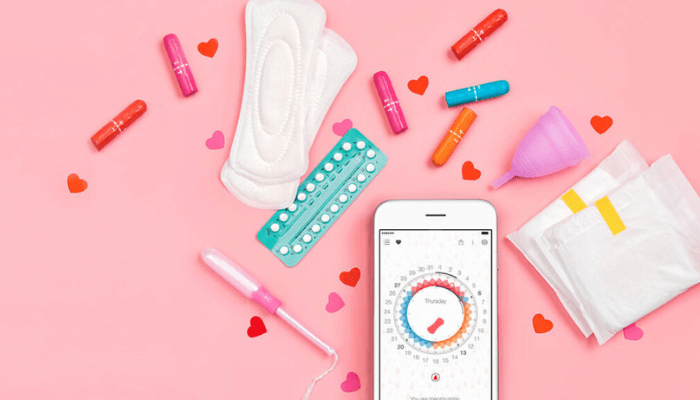
Menstruation, a natural and manageable biological function, has for too long been a silent barrier for Nigerian women and girls, often addressed with hushed whispers and inadequate supplies. The World Bank’s stark global assessment highlights a critical issue: a staggering lack of access to basic menstrual products and proper sanitation. In Nigeria, this translates directly into lost school days, diminished productivity, and the perpetuation of gender inequality.
The silence and taboo surrounding menstruation in our culture, beyond just the cost of pads, create misunderstanding and unhealthy practices and allow misinformation to spread. Shame and stigma become burdens, sometimes leading to exclusion and abuse, quietly hindering the progress of our girls and women for generations. We must address this foundational issue to unlock our full potential.
The stark reality is that inadequate water, sanitation, and hygiene (WASH) facilities in our schools are forcing girls to miss critical learning days, with some even dropping out. Although comprehensive national data may be scarce, anecdotal evidence and regional studies in Nigeria echo this worrying trend. How can we expect our girls to become future leaders and innovators when they are forced to choose between their dignity and their education?

Think about the well-being of our workforce and future mothers. Lacking basic access to safe sanitary products and clean facilities causes health issues that can impact their long-term reproductive health and keep them from their responsibilities. Even basic hygiene is difficult for many and leads to emotional distress. Can we build a thriving economy when half our population silently battles these fundamental challenges, with clear implications for our productivity and societal strength?
Read also: Breaking the Silence: Addressing menstrual health challenges in schools
Consider the undeniable economic implications. Menstruation-related challenges lead to lost school days for girls, limiting their future employment. Inadequate workplace sanitation results in lost productivity for women. The inability to access affordable menstrual products further perpetuates this disadvantage. Imagine the economic growth Nigeria could realise by enabling the full participation of its women and girls in education and the workforce.
The growing challenge of waste management in our cities includes the significant volume of disposable sanitary pads in our landfills. Nigeria’s population size means this is a considerable environmental issue. Investing in sustainable and affordable menstrual products and improved waste management offers opportunities for forward-thinking businesses to contribute to cleaner, more sustainable Nigerian communities.
Strategic, African-led solutions are the way forward, and the World Bank’s collaborative approach provides valuable lessons. We see this in Eswatini’s focus on girl-friendly schools impacting future leaders, Ghana’s research informing their education policies, and Mozambique’s market-driven hygiene offering practical pathways. These examples demonstrate that, within our African context, strategic partnerships and practical solutions can empower our women and girls and lead to stronger economies and more resilient communities we can all build.

So, what does this mean for Nigeria? We need to pull together governments at all levels, our businesses, the dedicated NGOs on the ground, and our communities themselves. Practically speaking, this means serious investment in making sure our schools and public spaces have clean water, private toilets that work, proper ways to dispose of used products, and basic dignity. It also means getting focused about educating our young people, both boys and girls, about menstruation, breaking down the silence and promoting healthy understanding right in the classroom. We need to find ways to make quality sanitary products affordable and accessible to all, maybe through subsidies, supporting local entrepreneurs to produce them here, and even looking at sustainable, reusable options. And critically, we have to tackle the shame and stigma head-on with public campaigns that normalise menstruation and challenge outdated beliefs. Lastly, backing local businesses that provide these essential products empowers women economically, a collective effort with economic and societal benefits.
Let’s be clear: ignoring the fundamental issue of menstrual health is no longer an option for Nigeria’s progress. It’s a roadblock to achieving true gender equality, better health outcomes for our people, and the kind of robust economic growth we all want to see. Think about the untapped potential of our women and girls; prioritising their menstrual health is essential to unleashing that potential and building a more prosperous future for all of us. It’s time to have an open conversation, make this a national priority, and see it as the strategic investment in our people that it truly is.
Ota Akhigbe is a seasoned leader in African health and development. As a director at eHealth Africa and a regular voice in BusinessDay, she brings her expertise to highlight the critical link between menstrual health and Nigeria’s socio-economic advancement.