In a tragic and escalating series of renewed attacks that have left Bokkos, a local government in Plateau State, and several local government areas in Benue State, in a state of fear and mourning, the affected communities are once again grappling with the aftermath of senseless violence.
Recent attacks, which have claimed the lives of many people, are the latest in a prolonged history of violence that has plagued both agricultural hubs for more than two decades. While the loss of life is heartbreaking, the wider implications of these attacks extend far beyond the human toll, as the violence threatens Nigeria’s food security, an issue that could have far-reaching consequences for the country’s stability and well-being.
Read also: Nigeria’s food security at risk as violence spreads in farming communities
Bokkos, known for its rich production of Irish potatoes, maize, cabbage, tomatoes, and a variety of other crops, has long been a key agricultural hub for Nigeria. Its fertile lands feed millions of Nigerians, but now, with continued attacks on its farming communities, the future of food security in Nigeria is in peril. This latest round of violence, which includes killings of over 50 people and destruction of farmlands, has exacerbated an already precarious situation, with the area’s once-thriving agricultural sector now facing collapse.

Similarly, in Benue State, a major agricultural powerhouse known for its large-scale production of crops such as yam, rice, cassava, and various grains, the continued violence has severely disrupted farming activities. Attacks in local government areas like Zaki Biam, Kwande, Logo, Kastina Ala, Gwer West, Makurdi, Guma, and Agatu have forced farmers to abandon their farmlands, leading to widespread food insecurity. As one of the leading producers of yam, Benue plays a crucial role in Nigeria’s food reserves, and the ongoing insecurity threatens to reduce the availability of essential crops, exacerbating the already fragile food security situation in the country.
In plateau, the attacks are not isolated to Bokkos alone, but have spread across Plateau State, affecting several agricultural areas. However, the most severely impacted areas are those that serve as major sources of food production, including Irish potatoes, which are crucial not only for feeding the state but also the entire nation.
These fertile lands, once teeming with crops and bustling with farmers, have become battlegrounds, leaving the food supply chain vulnerable. As Bokkos and its neighbors face escalating violence, the repercussions are being felt far beyond the immediate locality, threatening to disrupt the availability of essential foodstuffs for millions of Nigerians.
The longstanding crisis in Bokkos
The unrest in Bokkos is not a new phenomenon. The community has been under attack since 2001, with periodic outbursts of violence causing devastation across the area. However, the recent wave of violence has been particularly severe. The 2023 Christmas period saw a surge in attacks, resulting in the loss of more than 200 lives, marking the deadliest period for Bokkos and it’s environs in recent years.

Despite various efforts by local, state and federal governments to restore peace, the insurgency persists, and the people of Bokkos are left living in constant fear. With every passing year, the attackers grow bolder, their operations more coordinated, and the local population more vulnerable. The frequent attacks have forced thousands of people to abandon their homes, seeking refuge in nearby towns, unsure of when or if they will ever return.
Read also: Rising insecurity in Kogi threatens food security
The people of Bokkos have been enduring this cycle of violence, with little respite, and it is now clear that the situation has become a national security issue. But more than just a problem of lawlessness, these attacks have become a significant threat to food security in Nigeria, one that could have profound economic and social consequences if left unaddressed.
Bokkos a pillar of Nigeria’s agricultural economy
The significance of Bokkos in Nigeria’s agricultural landscape cannot be overstated. Known for its large-scale production of Irish potatoes, maize, cabbage, and other crops, the place has long been a cornerstone of food production in the country. In particular, Bokkos is renowned for its Irish potato farms, which supply not only Plateau State but also neighboring states and national markets.
As one of the largest producers of these staple crops, Bokkos has played a crucial role in ensuring that millions of Nigerians have access to affordable and nutritious food. In addition to the direct impact on the local economy, the agricultural sector in Bokkos has provided livelihoods for thousands of farmers, workers, and traders who depend on the local government’s fertile land for their survival.
However, with each attack, the productivity of Bokkos’ agricultural sector declines. Farmlands are burned, crops are destroyed, and many farmers are forced to flee, abandoning their livelihoods. These repeated attacks put Nigeria’s entire food supply chain at risk. If left unchecked, the consequences for the country’s food security could be catastrophic, potentially leading to food shortages, rising prices, and widespread hunger.
The devastating consequences for food security
The most recent attacks have only deepened the food crisis in the area. The murder of over 50 innocent people, mostly farmers, has not only led to immeasurable human suffering but has also left a large portion of Bokkos’ agricultural production compromised.
The fear of further attacks has caused many farmers to abandon their fields, with some permanently leaving their homes in search of safety. This displacement is already leading to a reduction in food production, which will be felt not just locally, but across the nation.
As Bokkos continues to be under siege, it is becoming increasingly clear that the security of the nation’s food supply depends on the security of areas like Bokkos. If farmers are unable to work their land in peace, the entire agricultural system is at risk. Crops are not the only casualty of these attacks; livelihoods are being destroyed, and the country’s ability to produce enough food to meet the demands of its growing population is being severely undermined.
This situation is all the more alarming given Nigeria’s already fragile food security. With the country struggling to achieve self-sufficiency in food production and grappling with rising food inflation, the loss of agricultural output from key areas like Bokkos could have devastating effects on the country’s ability to feed its population.
Read also: Stakeholders launch alliance to boost Nigeria food security
Dalung, Buhari’s minister, speaks out
Solomon Dalung, a former Minister of Youth and Sports Development under Muhammadu Buhari’s presidency, and a prominent figure from Plateau State, has been one of the loudest voices condemning the recent attacks on Bokkos.
Dalung, in an interview on Arise Television’s programe, The Morning Show, recently pointed to the absence of justice as the key factor fuelling the crisis, noting that multiple commissions of inquiry have been set up over the years, yet none has led to the prosecution of perpetrators.
“This is a reflection of the lack of political will to address the problem. Until justice is served based on the reports from these commissions of inquiry, which are just gathering dust in government archives, we will not see an end to this carnage,” he said.
Dalung emphasized that the attackers are terrorists, not mere herders, as some have suggested.
One of the government’s proposed solutions to the violence was the creation of the Ministry of Livestock and a plan to restrict movement in order to stop the attacks.
However, Dalung questioned the 10-year timeline set by the government, asking why it has taken so long to address a crisis that has been ongoing for over 20 years.
He criticised the government’s slow response and raised concerns about the true motives behind the delay.
Federal Government responds
The federal government has not remained silent in the wake of the attacks.
Nuhu Ribadu, the National Security Adviser (NSA), while speaking on behalf of President Bola Ahmed Tinubu in Jos, after the attacks expressed condolences to the people of Plateau and praised the efforts of both the state government and security forces in maintaining peace amidst the crisis.
“On behalf of the Commander-in-Chief, President Bola Ahmed tinubu, I am here to greet the people of Plateau, to extend his condolences over what we have witnessed in the last few days, the crisis that erupted,” he said.
The president emphasized the need for unity and collective responsibility in addressing the long-standing security challenges in the state.
He acknowledged that the violence in Plateau has been a recurring issue for over 20 years, with similar incidents intermittently affecting the state.
Despite the challenges, he noted that significant progress had been made in improving the security situation.
He pointed to a reduction in major incidents, referencing the relative calm since December 2023, and underscored that while the recent events were tragic, they were not on the same scale as past outbreaks of violence.
“Of course, we have to understand, this is a long-standing issue that has been ongoing for decades. For over 20 years we’ve had this.
“But you know, the issue of security and situations like this it’s relative. You have to look at it from the point of what was happening before and what is happening now.
Read also: Experts move to tackle Nigeria’s food security challenges
“I think we have made a bit of progress. The last time we had any serious incident was in December 2023. And now this one”; he said.
President Tinubu also highlighted the critical role of community involvement in preventing further violence. He warned that when communities fail to resolve internal disputes peacefully, criminal elements take advantage, escalating tensions into full-blown crises.
He stressed that the federal and state governments, alongside the security agencies, were working tirelessly to restore order and peace.
The efforts of the Plateau State governor were particularly praised for contributing to the relative improvement in security in recent years.
President Tinubu added that the time for violence to continue was over. He assured the people of Plateau that the federal government would double its efforts to ensure lasting peace and security in the state.
Plateau State government takes action
At the state level, Caleb Mutfwang, a lawyer and the Plateau state governor has also condemned the violence and pledged his government’s support to the victims and their families.
Mutfwang assured the people of Bokkos that his administration is working with the federal government to strengthen security in the area.
Addressing Plateau State indigenes residing in Abuja, the Governor declared that the pain of the people is his pain and pledged that no perpetrator of violence will go unpunished.
“We will no longer allow those arrested for crimes in our communities to walk free. I will pursue, and ensure the prosecution of, all those whose hands are stained with the blood of our people. They will face the full wrath of the law,” he stated firmly.
Governor Mutfwang briefed the audience on the ongoing government efforts to address the insecurity in Bokkos and disclosed that new strategies are being introduced to guarantee the safety of farmers as the next planting season approaches.
“I want to assure you that the lives lost in Bokkos will not be in vain. Some advised that we cancel this meeting due to the tragic circumstances, but after wide consultations with our leaders both at home and in the diaspora, we decided to forge ahead. We cannot let those behind these heinous acts think they have broken our spirit. Yes, we are mourning, but by the grace of God, we are not defeated,” he said.
Reflecting on the broader context of the violence, Governor Mutfwang noted, “Since the December 2023 attacks, we had begun reclaiming our identity as the Home of Peace and Tourism. For over a year, we recorded no major incident. But these attacks are clearly orchestrated, deliberate attempts to impoverish and intimidate our people at the start of every farming season.”
He added, “Let it be known: we will farm this year. No amount of intimidation will stop us. I appreciate the outpouring of sympathy and support from Nigerians across the country. I’ve had deep consultations with security chiefs and I want to assure the people of Plateau State that everything possible will be done to protect lives and property.”
The Governor extended his appreciation to President Bola Ahmed Tinubu for his swift response and firm commitment to restoring peace in the state. He commended the President for directing federal agencies to deliver relief materials to victims of the Bokkos attacks.
Mutfwang confirmed that some masterminds of the attacks have already been apprehended and stressed that the era of arrest without prosecution is over.
Read also: Toromade Francis on keys to achieving food security in Nigeria
“As your Governor, I make this solemn promise: anyone involved in spilling the blood of a Plateau citizen will be pursued and brought to justice. None of them will go scot-free,” he emphasized.
The struggle for survival: Voices from the ground
For the people of Bokkos, the struggle to survive in the face of constant violence is an all-too-familiar reality. Farmers, who once thrived in this fertile land, are now afraid to return to their fields. Those who have tried to return have found their crops destroyed or their homes looted. “We are living in fear. How can we farm when our lives are constantly in danger? The government needs to do more to protect us,” Musa, a farmer told BusinessDay.
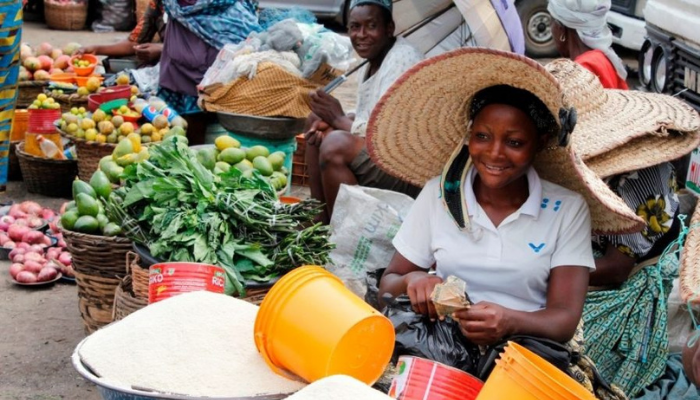
The attacks have left many families without a means of income, and the economic fallout is already being felt across the local government. Local markets that once teemed with fresh produce are now empty, and food prices have begun to climb again, putting an additional strain on residents who are already struggling to survive. The fear of further violence has also led to a decline in investment in the area, further exacerbating the economic crisis.
Attacks in Benue State force farmers to abandon their farms
In Benue state, farmers have also been forced to abandon their farms due to the threat of violence, significantly affecting both local and national food production. As one of the leading producers of yam, Benue contributes substantially to the nation’s food reserves, and the continued insecurity threatens to reduce the availability of such staple crops.
Additionally, the cultivation of Yam, cassava and grains, essential to the livelihoods of many families in the state, has been hampered by ongoing attacks, leaving the state vulnerable to both food shortages and economic instability.
The agricultural disruptions have wider implications, as Benue’s output plays a critical role in feeding millions of Nigerians. The rising insecurity in these key farming zones threatens to exacerbate the nation’s already fragile food security situation. If the attacks continue, the national food supply could face significant shortages, pushing food prices higher and worsening the already precarious conditions for Nigerians struggling with inflation and poverty.
Hyacinth Iormem Alia governor of Benue State, has been at the forefront of efforts to restore peace and security in the state. Since assuming office, Alia has called for enhanced security measures and advocated for increased support for farmers. The governor has also proposed interventions aimed at providing relief to displaced farmers and encouraging them to return to their farmlands.
Despite these efforts, the persistence of attacks remains a significant challenge, with the state’s agricultural output continuing to suffer as a result. The situation demands urgent attention from both state and federal governments to safeguard Benue’s role in national food production.
Read also: Nigerian economy hits 3-year high on services’ growth, food security efforts
A wake-up call for Nigeria
The recent attacks in Plateau and Benue states are a wake-up call for the nation. The attacks highlight the urgent need for a comprehensive strategy to address insecurity in rural areas, protect agricultural production, and ensure that Nigeria’s food supply remains stable. Without a secured Plateau and Benue, the country’s ability to feed its population will be at risk. Now is the time for both the federal and state governments to act decisively not just to end the violence but to safeguard the future of Nigeria’s food security.