Nigeria, a nation brimming with athletic talent, has long been a powerhouse in African sports. From the electrifying football pitches to the numerous boxing rings, Nigerians consistently display a fervent passion for a wide array of sporting disciplines. However, despite its rich history and undeniable talent pool, the country faces systemic challenges that hinder its ability to achieve sustained progress on the global stage.
Challenges facing Nigerian sports
The Nigerian government invests significantly in sports facilities and infrastructure development, but lacks a strong maintenance culture. Many sports facilities across the nation suffer from neglect due to poor facility management practices. The absence of a proactive maintenance culture leads to rapid deterioration, expensive repairs, and safety risks.
Read Also: Nigeria’s sports industry: Poised for a revenue boom
Most sports in Nigeria rely heavily on government funding, which is often insufficient and inconsistently allocated. This financial instability affects training programs, athlete welfare, and international participation.

While Nigeria has an abundance of young sporting talent, the lack of structured grassroots programs means many promising athletes do not receive proper training and exposure, reducing the country’s talent pipeline.
Apart from football, many sports in Nigeria do not receive enough media attention, affecting sponsorship opportunities and fan engagement. Insufficient investment in sports marketing has hindered the growth of leagues and tournaments.
Opportunities for growth
Encouraging private sector investment can help bridge funding gaps in sports. Collaborations between the government and corporate bodies can lead to the development of world-class facilities and sustainable leagues.
Shifting sports from a government-dependent model to a revenue-generating industry can boost financial sustainability. Establishing structured leagues with broadcasting rights, merchandising, and ticket sales can generate significant income.
Investing in school sports and youth academies can help identify and nurture future sports stars. Partnerships with international training institutions can also improve skill development.

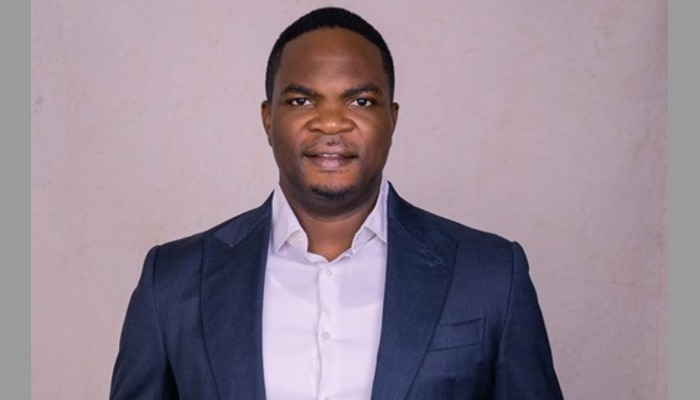
Amid these challenges emerges Dr. Ezekiel Adamu, a dynamic sports entrepreneur and investor, driven by a vision to transform Nigeria’s sporting landscape. His journey, from the bustling streets of Lagos to the grand arenas of international sport, stands as a testament to the power of passion and strategic innovation.
Future of Nigerian sports
Nigeria’s sports have vast potential for growth and success. With improved governance, strategic investments, and structured grassroots programs, the country can overcome its hurdles and establish itself as a global sports powerhouse. By harnessing emerging opportunities, Nigeria can build a sustainable and thriving sports industry that benefits athletes, fans, and the nation’s economy.