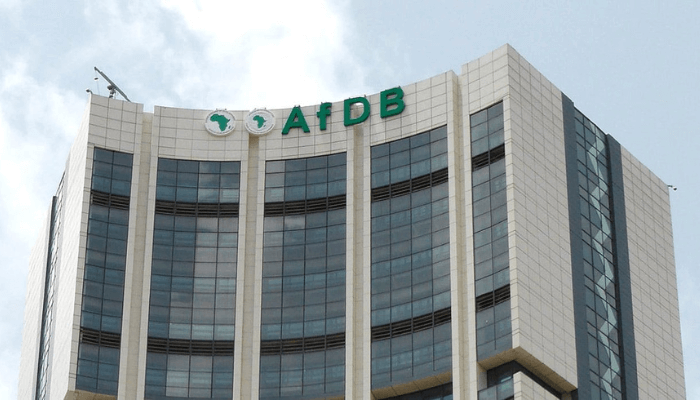
The Special Agro-Industrial Processing Zones (SAPZ), a multi-billion naira project, could be the turning point in how Nigeria produces, processes, and profits from its vast agricultural wealth.
These zones, backed by the African Development Bank (AfDB), International Fund for Agricultural Development (IFAD), Islamic Development Bank (IsDB), and both federal and state governments, are designed to tackle one of the country’s biggest development challenges — how to make agriculture efficient for farmers, rural communities, and the economy.
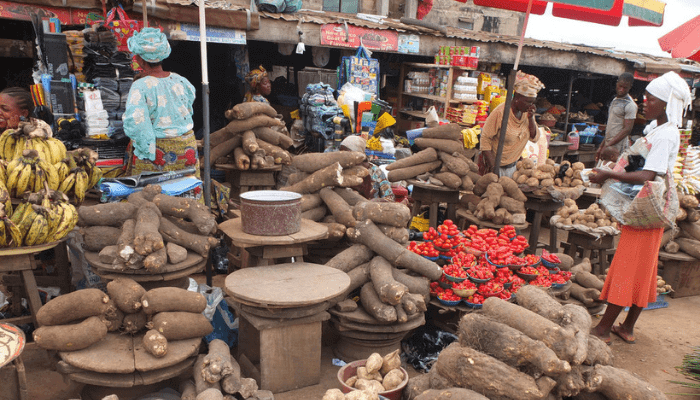
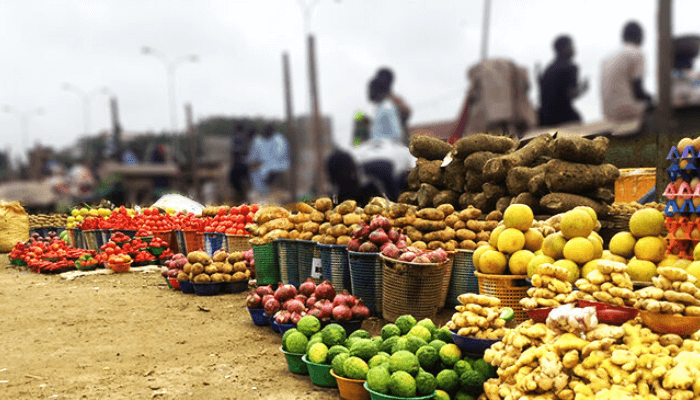
SAPZs are rural-based industrial hubs that bring agribusinesses closer to the farm. Rather than export raw produce like cassava, rice, tomatoes, or cocoa to urban areas or even abroad for processing, these zones are equipped with everything needed to aid value addition.
One of Nigeria’s biggest problems is the processing gap that limits value addition. Therefore, the zones will have processing factories, storage facilities, reliable power, roads, and training centers.

For many years, Nigeria has struggled with food insecurity, post-harvest losses, and unemployment. At the same time, the country imports billions of naira worth of food it could easily produce and process locally.
Through the SAPZ, Africa’s most populous nation will be able to provide jobs, cut down on its N3.5 trillion annual post-harvest loss, provide cold storage and warehousing, provide training centres for farmers, and bridge market access gaps.
The first phase, which was launched in 2022 with $538 million, will be implemented over five years. The AfDB, being the key financier and technical lead of the project, contributed $210 million, while the IsDB and IFAD put in $310 million, and the Nigerian government gave $18.05 million.
Read also: Agro firm begins certification for agro commodities
The states involved

The programmes involve eight states, including Kaduna, Kano, Kwara, Cross River, Imo, Ogun, Oyo, and the Federal Capital Territory. These states are to target crops where they have a comparative advantage.
In Kano, a processing hub is located in Kadawa near the Kano River Irrigation Scheme. It is also the first SAPZ construction to kick off. This hub will be focusing on rice, tomatoes and grains value addition.
Another hub is located in Remo North in Ogun State with a focus on cassava, horticulture and poultry. Others are located in northern Cross River, focusing on palm oil, cocoa and rice; the Patigi area of Kwara, focusing on soybeans, maize and poultry. While Okigwe in Imo will be focusing on cassava and poultry processing.
The establishment of these hubs will boost local processing, close market access limitations, and increase value addition in the food sector.
The zones are strategically placed to attract both local and foreign investments in processing and production, ensuring that value stays in the country and over 400,000 direct jobs are created along the chain.
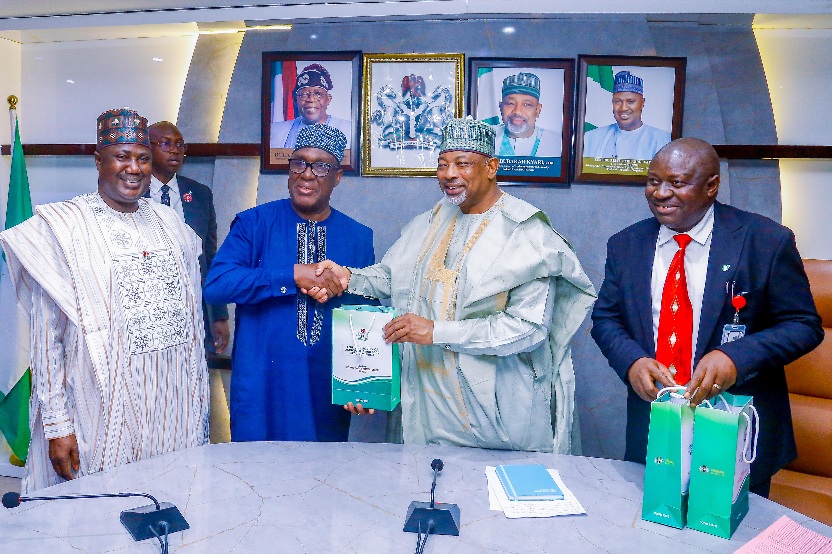
The initiative is spearheaded by Akinwunmi Adesina, president of the AfDB and Kashim Shettima, vice president of Nigeria.
It will ensure that farmers are not just suppliers but also partners. They will benefit from guaranteed markets, access to mechanised services, better inputs, and improved incomes.
The Fashola Agribusiness Industrial Hub located in Oyo State was the first SAPZ agricultural transformation centre in Nigeria approved by the AfDB.
It was integrated with the existing 1,250-hectare Fashola Farms, located in the west local government area of Oyo. It was originally established in 1946 by the British colonialists because of the vast potential the area has for the agricultural sector, especially livestock and poultry.
It operates under 10 industrial hubs that focus on processing different commodities, encouraging local production, backward integration and local processing.
The SAPZ project covers 19 percent of Nigeria’s land mass and 50.4 million of the country’s population. Key expected outputs of the first phase are infrastructure development for eight agro-industrial processing hubs and fifteen agricultural transformation centers.