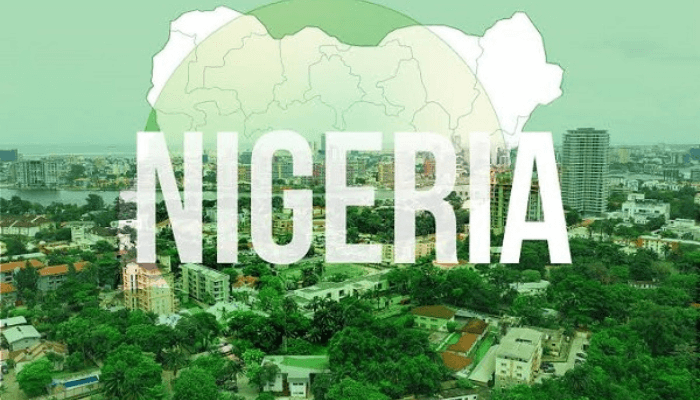
Nigeria, without a doubt, is a nation rich in ancient traditions, diverse cultures, artistic brilliance, and breathtaking landscapes, at the cusp of a tourism revolution. For decades, its economic focus has been tethered to the volatile oil and gas industry, a dependence that has long overshadowed the untapped potential within its cultural heritage and natural wonders.
But the time has come to chart a new course. By strategically leveraging its cultural assets and natural beauty, Nigeria can awaken its dormant tourism sector and transform it into a dynamic economic force, one capable of generating billions in revenue and creating sustainable livelihoods for its citizens.
Tourism as a vehicle for economic development is not a new concept. Countries like Thailand, Italy, and the United Arab Emirates have diversified their economies through tourism, creating jobs and national pride. Nigeria, however, has lagged, hindered by fragmented efforts, inconsistent policies, and limited investment.
At a recent quarterly lecture organised by the Guild of Public Affairs Analysts of Nigeria (GPAAN), led by Sir Ayo Baje, thought leaders gathered at the residence of Prince Yemisi Shyllon to discuss Nigeria’s tourism potential. Prince Shyllon, Africa’s largest private art collector and founder of the Yemisi Shyllon Museum of Art (YSMA) at Pan-Atlantic University, is a staunch advocate for cultural preservation and tourism. The museum houses over 1,000 pieces from his collection and stands as a beacon of African art and heritage.

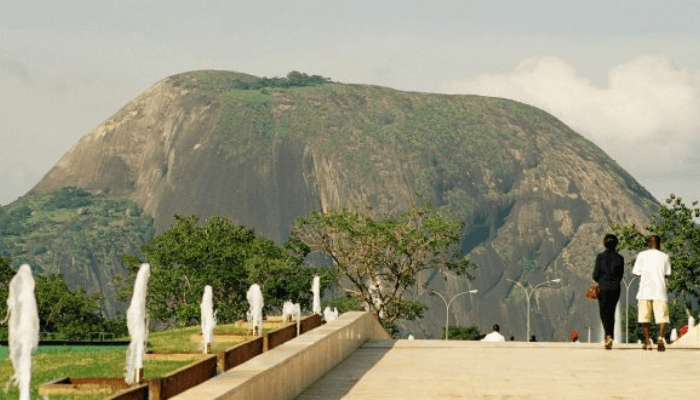
His impact on Nigeria’s cultural landscape extends further, having invested in the JK Randle Museum and played a pivotal role in the redevelopment of Olumo Rock as a major tourist site. Known in his university days as “Yemisi Elere” due to his passion for ethnographic art, Prince Shyllon has visited over 73 countries, bringing a global perspective to local possibilities.
In his lecture titled “The Art of Our Culture and Its Impact on Tourism,” he emphasised that culture is not merely an aesthetic appendage but a cornerstone of sustainable development. He urged policymakers to treat culture as an economic asset and a critical component of national planning.
The discussion also touched on the philosophical works of the late Professor Sophie Oluwole, Nigeria’s first female philosopher, and the overlooked insights in historical texts, such as Leopold’s letters to missionaries. These references underscore how misinformation and religious misinterpretation have, over time, diminished cultural self-worth. Shyllon called on Nigerians to actively seek the truth through research and critical thinking, noting that “Google is free, use it to verify, not vilify.”
Research supports this vision. In their 2014 paper “Impact of Arts on Economic Development: The Nigerian Experience,” Omuaru, Charles, and Anselem Nyah argued that any diversified economy must embrace education, the arts, and long-term planning. They concluded that Nigeria possesses both the human capital and creative talent to compete on a global tourism stage—what is lacking is a coherent policy framework and sustained investment.
To move from potential to prosperity, Nigeria must take deliberate and coordinated action across several critical areas. One of the most pressing needs is infrastructure development. A thriving tourism sector cannot exist without reliable infrastructure. Tourists are unlikely to visit, let alone return, if they must navigate broken roads, experience frequent power outages, or face inadequate transportation systems. A national overhaul of infrastructure focused on upgrading roads, signage, airports, pedestrian zones, and public transport is essential. A user-friendly national tourism mobility App would also help visitors access travel information easily and plan their journeys with confidence.

Another major hurdle is corruption and insecurity, both of which continue to erode public trust and discourage investment. Addressing this challenge requires the creation of a dedicated tourism anti-corruption task force, the strengthening of law enforcement collaboration, and the deployment of modern security technologies at key tourist sites. These measures are critical to building investor confidence and ensuring the safety of visitors.
Equally important is the promotion of Nigeria’s cultural richness. The country’s diverse music, art, fashion, festivals, poetry, and folklore should be deliberately packaged into unique, high-quality tourism experiences. This requires targeted investments in museums, heritage landmarks, and local creatives, along with the development of a nationally coordinated calendar of cultural festivals and exhibitions. Such initiatives can attract global attention and instill pride among Nigerians.
Public education and awareness are also vital to the success of the tourism industry. It is important to inform citizens about the economic opportunities that tourism offers. National media campaigns should promote responsible tourism, environmental stewardship, and hospitality ethics. Meanwhile, the inclusion of cultural education and tourism awareness in school curricula will help foster a deeper appreciation for Nigeria’s heritage from a young age.
To unlock private sector participation, the government must provide strong incentives. Offering tax holidays, grants, and subsidies for tourism-related ventures can stimulate the growth of hotels, resorts, tour companies, and restaurants, particularly in rural communities where tourism can catalyze development.
Nigeria’s transformation into a global tourism powerhouse is not just a dream, it is a realistic and achievable goal. With visionary leadership, dedicated investment, and united national will, the country can elevate tourism into a leading economic sector. By focusing on infrastructure, eradicating corruption, promoting culture, educating the public, and encouraging business investment, Nigeria has the potential to build a vibrant and inclusive tourism industry. Now is the time for action. Together, we can reimagine Nigeria not only as a land of oil but as a proud nation of heritage, beauty, and endless possibilities. Let us seize this moment to turn our paralysed potential into a prosperous paradise.
. Abdulazeez is a poet and a writer of the poetry collection “Soul Rants” A Journey from Within. She is the treasurer, of PEN International, Nigerian Center, and resides in Lagos. Contact: +234-8034816865 (umuhfaisal@gmail.com)