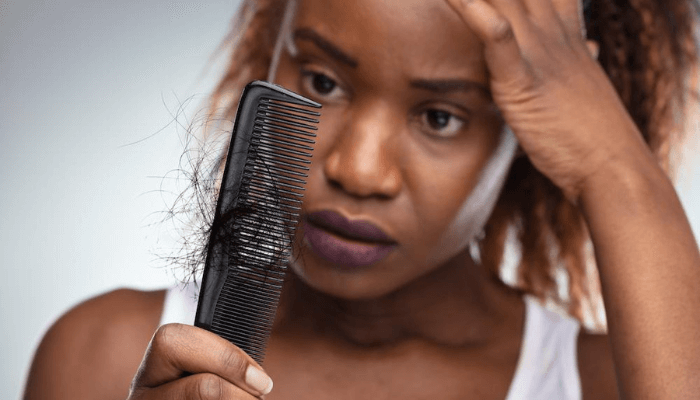
Hair loss is a growing concern for millions worldwide, with genetics, stress, and lifestyle habits playing crucial roles in hair health.
Many Nigerians, particularly women, struggle with hair loss, often due to tight hairstyles, hair extensions, and weaves, leading to traction alopecia, a condition caused by excessive pulling and pressure on the scalp, studies indicate that traction alopecia, a common cause of hair loss in black women, affects 46.2 percent of women in Nigeria
However, experts from Aventus Clinic have provided key insights into the most frequently asked questions about hair loss, debunking myths and offering real solutions.
Preventing Hair Loss: What Really Works?

Daily habits significantly impact hair health. A protein-rich diet, stress management, and avoiding harsh chemicals are essential in preventing hair thinning. Catching early signs of hair loss is crucial, as delaying intervention may lead to irreversible damage.
The Truth About Natural Remedies
While many natural treatments claim to prevent hair loss, most have limited long-term effectiveness. For instance, rosemary oil can boost scalp circulation by up to 54 percent, but popular supplements like biotin show minimal success in combating genetic hair loss. Experts warn that natural remedies alone cannot halt progressive baldness.
Hormonal Influence on Hair Loss
Hormonal imbalances, particularly the presence of dihydrotestosterone (DHT), are responsible for 95 percent of male baldness. DHT shrinks hair follicles by 75 percent, drastically shortening hair growth cycles. Women are also affected, with 70 percent of female pattern baldness linked to hormonal factors.

Read also: From hair loss to hair hero: A trichologist’s journey to empowering women – Bamigbowu
Stress: A Hidden Culprit
Severe stress can trigger a condition called telogen effluvium, forcing up to 70 percent more hair follicles into the shedding phase. Chronic stress can lead to permanent follicle damage if left untreated, making stress management a critical factor in hair health.
Side Effects of Hair Loss Treatments
While treatments like Rogaine and Propecia offer promising results, they come with potential risks. Rogaine can cause scalp irritation in 7 percent of users, and Propecia has been linked to sexual dysfunction in 3-4 percent of men. Experts stated that consulting a specialist before starting any treatment is essential.
Does Wearing Hats Lead to Baldness?
A common myth suggests that wearing hats causes hair loss. While regular hat use does not contribute to baldness, tight headwear can lead to traction alopecia due to constant pulling on hair follicles. Choosing comfortable, well-fitting hats can prevent unnecessary hair damage.
Smoking: An Overlooked Hair Loss Factor
Smoking reduces blood circulation to hair follicles by 30 percent, increasing the risk of premature hair loss by 1.6 times. This lesser-known consequence of smoking contributes to overall hair thinning and follicle aging.
Medications That May Cause Hair Loss
Approximately 12 percent of hair loss cases are linked to medications such as blood pressure drugs, antidepressants, and acne treatments. Patients experiencing sudden hair thinning should consult their doctor to explore alternative prescriptions.
Nutritional Deficiencies and Hair Health
Modern diets often lack essential nutrients like iron, zinc, and protein, contributing to 30 percent of unexplained hair loss cases. Encouragingly, addressing these deficiencies has shown improvement in 60 percent of affected individuals within 3-6 months.
Can Hair Loss Be Stopped Naturally?
For individuals with genetic hair loss, natural treatments alone are unlikely to stop progression. While lifestyle improvements may slow the process, most cases require medical intervention for significant restoration. Advanced treatments now boast a 90 percent success rate, making them a superior option compared to natural remedies.