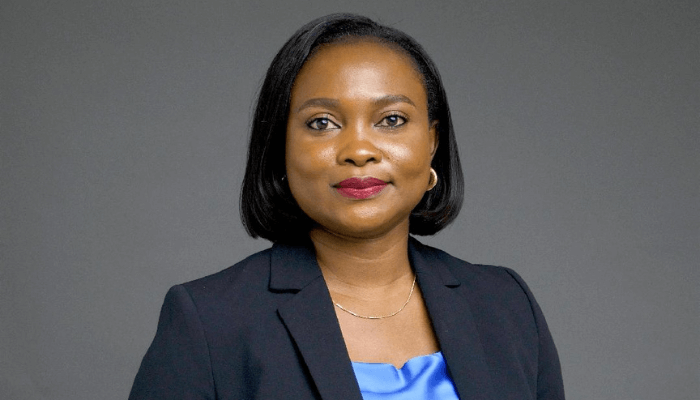
Tyre waste is a growing environmental and health concern in Nigeria, often ending up in landfills or being burned, releasing toxic pollutants. To address this, FREEE Recycle has pioneered Extended Consumer Responsibility (ECR), a model that engages individuals and businesses in the recycling process, ensuring that waste tyres are repurposed into useful products rather than ending up in landfills. Ifedolapo Runsewe, managing director of FREEE Recycle, is leading this effort. Under her leadership, the company has turned discarded tyres into valuable products, reducing pollution and supporting the circular economy. She also advocates for policies that promote responsible waste management and recycling. Runsewe, in this interview with JOSEPHINE OKOJIE-OKEIYI, discusses FREEE Recycle’s journey, the impact of its ECR model, and how businesses can rethink waste management to drive sustainability, innovation, and social impact. Excerpts:
How has FREEE Recycle’s model of Extended Consumer Responsibility (ECR) helped drive corporate engagement in sustainability, and how can other businesses adopt similar strategies?
At FREEE Recycle, we recognised early on that in regions where Extended Producer Responsibility (EPR) frameworks are still evolving, an alternative approach was needed. That’s why we developed our Extended Consumer Responsibility (ECR) model, which engages end-users and corporate partners in sustainable waste management.
The key is to engage stakeholders across the value chain, from consumers to corporations, and demonstrate the shared benefits of adopting sustainable practices.

Companies can start by identifying waste streams in their industries and exploring how they can be repurposed into useful products. The more businesses integrate sustainability into their operations, the stronger the ecosystem for circularity becomes.
Through partnerships with global and regional brands like Maersk, Access Corporation, and the International Committee of the Red Cross (ICRC), we’ve been able to turn waste into opportunity.
Through these collaborations, we have provided thousands of square meters of safe playgrounds and over 10,000 recycled tyre sandals to public schools in Nigeria. This not only diverts waste from landfills but also provides social and economic value to communities.
What inspired the creation of FREEE Recycle, and what problem is it solving?
FREEE Recycle was born out of a need to address Nigeria’s growing waste management crisis while creating economic opportunities. We saw the potential in waste, particularly tyres and other post-consumer materials, that were ending up in landfills, causing environmental and health hazards.

By transforming these materials into useful products, such as marine fenders, interlocking tiles, and footwear, we are not just cleaning up waste but also creating jobs, reducing pollution, and contributing to a more sustainable economy.
Can you highlight some of the key projects your organisation’s has executed?
Our Extended Corporate Responsibility (ECR) model has driven many impactful projects. One of our notable collaborations is with the International Committee of the Red Cross (ICRC), one of the first organisations to partner with us under this model.
Through this partnership, we have repurposed 288 tonnes of waste rubber into durable materials such as pavers and tiles, supporting sustainable building efforts.
Similarly, our collaboration with APMT has resulted in the conversion of 1,344 tonnes of tyre waste into eco-friendly products, including 128 rubber pavers. Beyond material transformation, APMT’s early support enabled the production of 2,000 pairs of flip-flops and the construction of three playgrounds.
Additionally, through our partnership with Access Corporation, over 8,000 sandals have been distributed to students across Lagos and Ibadan.
These projects demonstrate that sustainability can be practical and economically viable, addressing environmental challenges while delivering tangible social benefits.
”The future of recycling in Africa is promising, but it will require a collective shift in mindset. As urbanisation and consumption rates grow, so does the urgency to adopt sustainable waste management practices.”
What challenges have you faced in scaling the business, and how have you navigated them?
Scaling a circular business comes with its challenges, including a lack of awareness about tyre recycling, limited infrastructure for waste collection, public perception about recycled products, and regulatory hurdles.
Beyond infrastructure and funding, we have also had to navigate the lack of in-country expertise to operate recycling and manufacturing equipment at full scale. Since no prior knowledge base existed for large-scale tyre recycling in Nigeria, we had to invest in training and capacity-building initiatives.
To overcome these challenges, we have taken a strategic and structured approach. We established an integrated recycling and manufacturing facility to process waste tyres efficiently, forming the backbone of our operations.
Our Integrated Recycling and Manufacturing Business Model balances retail (10%), export (40%), and our Extended Corporate Responsibility (ECR) strategy (50%), ensuring diverse revenue streams and market reach.
We have also developed a Collection Framework System that leverages technology through the FREEE App to aggregate waste tyres more effectively.
In parallel, we have built strategic partnerships with corporates like the likes of Access Bank, APMT terminal, and Nigerian Customs Service, amongst many others to adopt our ECR model, driving sustainability through responsible waste management practices.
Public perception has also begun to shift gradually as we have invested heavily in raising awareness through targeted campaigns, training initiatives and setting standards of the quality and durability of our products developing diversified product lines meeting people’s needs.
While challenges remain, we remain committed to demonstrating that recycling is not just an environmental obligation but also a viable business model that drives economic growth and social impact.
What role can individuals play in supporting circularity and sustainable waste management?
Individuals play a crucial role in driving circularity, especially when it comes to addressing tyre waste. One of the biggest challenges we face is the improper disposal of used tyres, which often end up in landfills or are burned, causing environmental and health hazards.
At FREEE Recycle, we encourage people to see used tyres not as waste but as a valuable resource. Through our FREEE App, individuals can easily recycle their old tyres, ensuring they are collected and repurposed into useful products like school playgrounds, interlocking tiles, and footwear.
Simple actions like choosing recycled products, spreading awareness about the impact of tyre waste, and advocating for responsible disposal, can collectively create a significant impact. The more people embrace circular practices, the more we can reduce pollution and build a sustainable future.
What advice would you give to entrepreneurs looking to build a business in the recycling and circular economy sector?
My advice is simple; start with a clear understanding of the waste problem you want to solve and find innovative ways to turn that waste into value. The circular economy is full of opportunities, but success requires a combination of creativity, resilience, and collaboration.
One of the biggest lessons from our journey at FREEE Recycle is the importance of partnerships. Whether it’s working with government agencies, corporations, or communities, having the right stakeholders on board can make all the difference.
Also, technology can be a game-changer. Our FREEE App, for instance, has helped optimise waste collection and sorting, improving efficiency.
Finally, entrepreneurs must embrace the long-term vision. Changing mindsets around waste and sustainability doesn’t happen overnight, but with persistence and innovation, circular businesses can thrive while making a real impact on the planet.
What policies or incentives do you think governments should introduce to encourage more businesses to adopt circular economy models?
Governments play a crucial role in creating the right environment for businesses to embrace circularity. One of the most effective ways to drive adoption is through financial incentives, such as tax breaks or grants for companies investing in recycling infrastructure.
Policies that support Extended Producer Responsibility (EPR) schemes, similar to what Mauritius is advancing, can ensure that businesses take responsibility for the lifecycle of their products.
Additionally, public-private partnerships can help scale solutions by providing the necessary infrastructure and market support.
From our experience at FREEE Recycle, we have seen that strong regulatory frameworks combined with industry collaboration are key to success.
For instance, setting clear waste collection and recycling targets, promoting eco-design in manufacturing, and investing in waste-to-resource innovation can accelerate the transition to a circular economy.
Looking ahead, how do you see the future of recycling and the circular economy evolving in Africa?
The future of recycling in Africa is promising, but it will require a collective shift in mindset. As urbanisation and consumption rates grow, so does the urgency to adopt sustainable waste management practices.
Governments, businesses, and communities must work together to invest in recycling infrastructure, create enabling policies, and foster a culture of sustainability. Technology and innovation will play a critical role.
Additionally, consumer education will be vital; people need to understand the importance of waste segregation and responsible consumption.