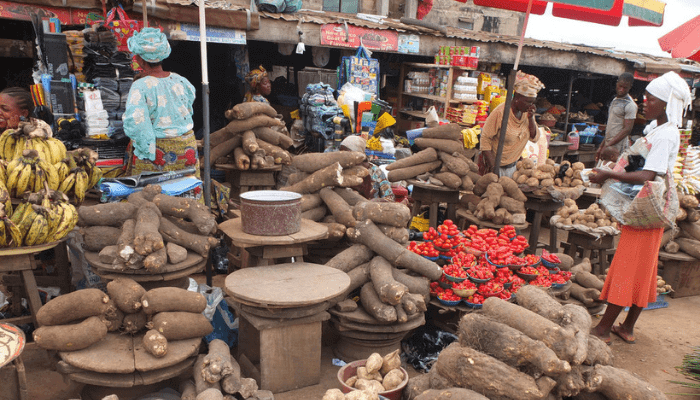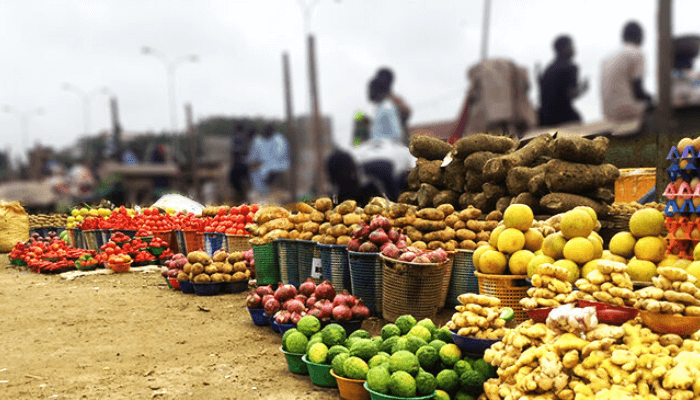
Low-scale mechanisation use in Nigeria’s agricultural sector has continued to hamper farmers’ productivity and the country’s quest to fast-track economic diversification through the sector.
Globally, innovations and mechanisation are positively impacting crop production as farmers deploy farm machines, tractors, and drones to aid farming as well as Artificial Intelligence among others.
But Nigeria is grossly lacking in the adoption of new technologies and most of its farms still lack tractors and mechanised machines to support farming activities.
Nigeria is listed among the least countries in the world with mechanised farming.

The use of agricultural machinery is still below what is considered necessary to meet the rising demand for food, as stipulated by the Food and Agriculture Organisation (FAO).
Godson Ohuruogu, chief executive officer of TracTrac Mechanisation Services Limited, in a recent press briefing said the country has only 5,000 functional tractors and would require approximately 1.5 million tractors to boost productivity and attain food security.
He added that only 16 percent of smallholder farmers – who produce 80 percent of the food consumed have access to mechanized equipment, as they are often hindered by high costs, limited financing, and weak supply chains.
Read also: Cheap credit, tech needed to unlock Nigeria’s food industry potential, say experts
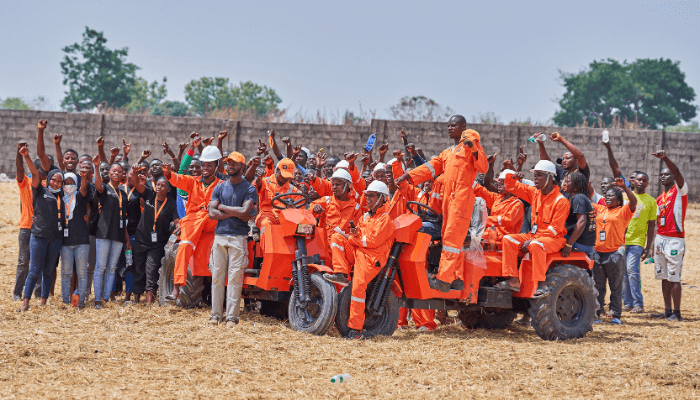
TracTrac – a technology-driven company founded in 2019 to change the narrative. The company is deploying tractors and mechanisation services to over 135,000 farmers this year, increasing efficiency, productivity, and access to sustainable farming solutions while supporting over 3,900 young MSPs.

Empowering farmers with digital Innovation
TracTrac’s success is its TracTrac-Plus platform, a real-time digital booking system connecting farmers with Mechanisation Service Providers (MSPs), enabling real-time asset tracking, farm mapping, payment, demand aggregation and order fulfilment.
The technology optimises service delivery by reducing delays, increasing mechanisation access, and ensuring efficient use of resources.
“Our mission at TracTrac is to provide smallholder farmers with the tools, knowledge, and financial solutions they need to succeed in a modern agricultural landscape,” Ohuruogu said.
“By leveraging technology, strategic partnerships, and policy advocacy, we are not just delivering mechanisation services but building a resilient ecosystem that empowers farmers for future generations,” he added.
Promoting gender & youth inclusion in agric
TracTrac also addresses gender and youth gaps in mechanization by ensuring that 50 percent of newly trained MSPs are women.
Additionally, young entrepreneurs aged 18-35 have the resources to establish sustainable mechanisation businesses, creating new employment opportunities and fostering inclusive growth in the sector.
Driving policy advocacy & investment
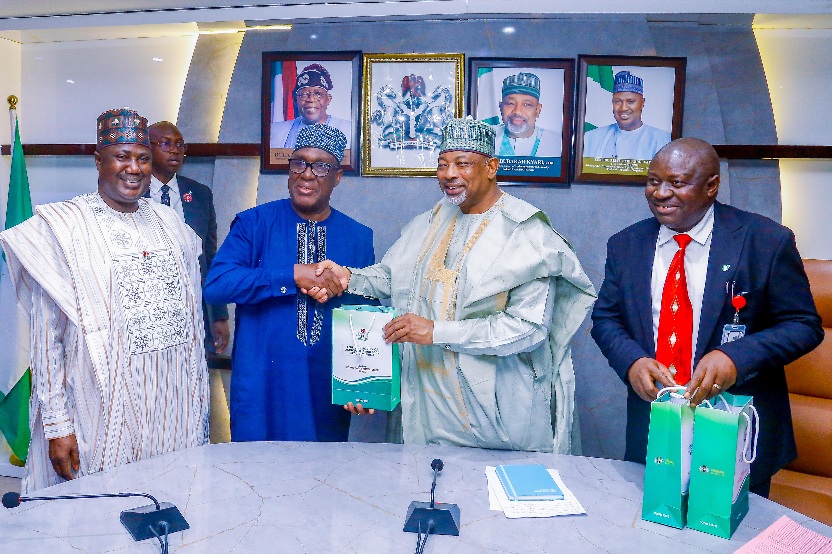
Beyond service delivery, TracTrac collaborates with key stakeholders, including the National Centre for Agricultural Mechanisation (NCAM), Women in Mechanisation Association (WIMA), Nigeria Economic Summit Group, and other private sector players, to advocate for mechanisation policies.
These efforts aim to create an enabling environment for investment, job creation, and long-term mechanisation sustainability.
With mechanisation driving food security, rural employment, and agriculture, TracTrac remains committed to scaling its impact across the country and beyond, he said.