Borno State Government, which has been the leading beneficiary of foreign aids in Nigeria over the last 15 years to cater for the majority of its population rendered vulnerable by Boko-Haram and ISWAP terror groups, has begun to explore other funding avenues to augment other earnings to enable it sustains the management of the vulnerable population.
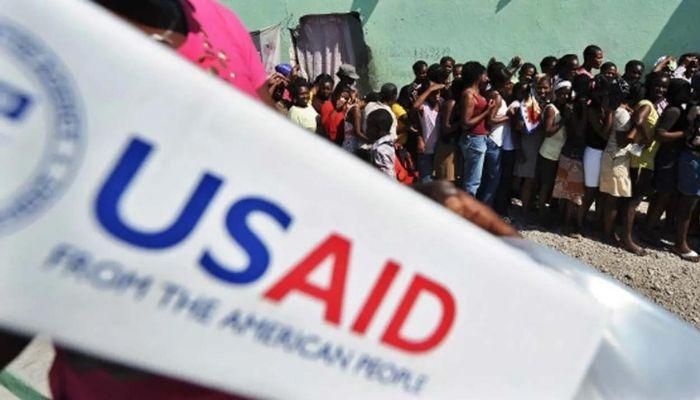
Consequently, the State Government is appealing to donors and partners, which have been key stakeholders in the humanitarian crisis management, to fill the vacuum created by the USAID funding cut by upscaling their donations in aid of the State’s vulnerable population.
Gambo Bulama, LGAd Coordinator of Borno State Agency for Coordination of Sustainable Development Partnership and Humanitarian Response, speaking to BusinessDay in Maiduguri, Borno Stata Capital, expressed the necessity for such donors and partners to respond positively.
He decried the pull-out of the USAID in funding the affected humanitarian response in some critical sectors, including health, education, protection, agriculture, livelihood and humanitarian needs.

According to him, the recent floods incident also worsened the situation, especially in the areas of Water, Hygiene and Sanitation (WASH), left thousands with no toilet facilities.
Gambo said, “We are still coaliting our report from LGAs, but the USAID funding vacuum has left a big blow in the humanitarian response. I can’t tell you that the state government can’t do it alone; we need massive support from donor agencies to attend to the critical sectors like health, education and others.
Read also: USAID funding freeze and Nigeria’s buffer measures
“Last year’s flood disaster, which affected four LGAs,s, has compounded the situation. Our Governor is trying its best and the challenges are enormous and that’s why I am appealing to the donors and development partners to support us,”
Gambo expressed gratitude to the CRUDAN, CATAI, and other partners for their support at the difficult times, while urging others to emulate the selfless services rendered by the both organizations in last six months in four most affected LGAs by floods.

Speaking at the event, Tafuko Tabwassah, Humanitarian Coordinator (CRUDAN), noted that the September 12 flood disaster had devastating effects which birthed intervention provided such as WASH items, cash, and livelihood support for 25,228 households as well as rehabilitation of water supply facilities.
He explained that the event marked the End of Project Closeout Learning Review Workshop for “the Nigeria Acute Crisis Joint Response (Floods) project”, which provided clean water, essential-food items (NFIs), and cash assistance to vulnerable families during last year’s floods incident in Maiduguri and its environs.
Also, Hasidu Bala, Programme Coordinator CATAI, said the project, in partnership with the State Government, targeted households affected by the September floods that displaced millions and destroyed houses and critical infrastructures in Borno.
The intervention was funded by the Dutch Relief Alliance, supported by Oxfam in Nigeria, and implemented by the Christian Rural and Urban Development (CRUDAN) and Center for Advocacy and Accountability Initiative (CATAI).