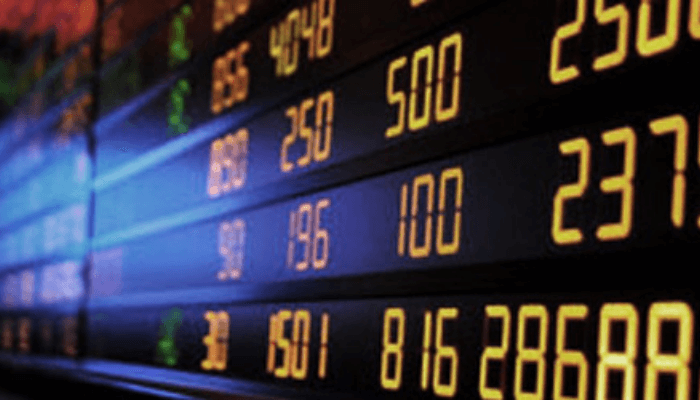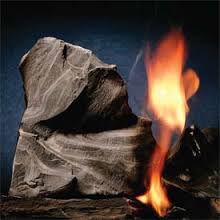
Nigeria has been forced to further cut the premium attracted by her flagship Bonny Light oil to a decade low, as the shale boom that has reduced US dependence on overseas crude reverberates in Africa’s biggest oil producer.
Nigeria, part of the Organisation of Petroleum Exporting Countries (OPEC), will sell July supplies of its Bonny Light crude at 23 cents more than Dated Brent, according to an e-mailed statement from state-run Nigerian National Petroleum Corp (NNPC).
That’s the smallest differential since 2005 and compares with a 50 cent premium in June and $2.55 a year earlier, data compiled by Bloomberg show.
Surging output from US shale formations contributed to a market glut that drove crude down almost 50 percent last year, roiling global markets as producer nations lost revenue and foreign-exchange reserves.
While oil has pared losses this year, prices are still below what some producers including Nigeria and other OPEC members need to balance their budgets, data from the International Monetary Fund and ING Bank NV show. “Nigeria has no choice but to cut their price differential to fight for market share,” Hong Sung Ki, a commodities analyst at Samsung Futures Inc., said by phone from Seoul. “The US was its key oil buyer in the past but imports have been shrinking with more shale output in an already oversupplied market.”

The slump in prices last year forced authorities in Nigeria, which relies on oil for about 70 percent of its income, to scale back budgeted spending and devalue the naira currency.
Nigeria former finance minister, Ngozi Okonjo-Iweala, said earlier this month that her successor will face a “difficult” year because of plunging crude revenues and her successor when ever he is appointed will suffer more from the failure of the last government in which Okonjo Iweala was coordinator of the economy to save for the rainy day that has come earlier than any one thought.
Brent fell 69 cents to $63.57 at 10:34 a.m. local time on the London-based ICE Futures Europe exchange.