|
Getting your Trinity Audio player ready...
|
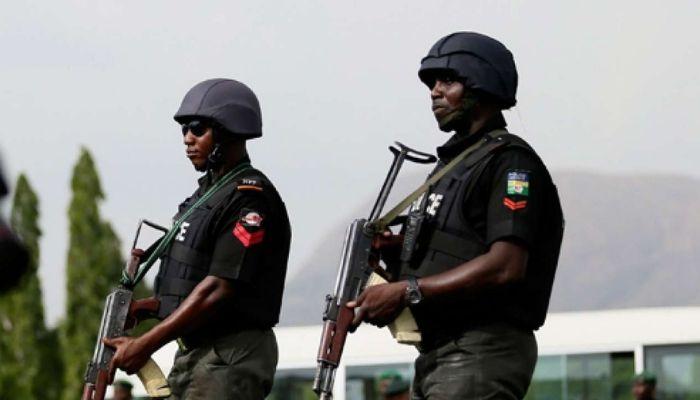
The Federal Capital Territory (FCT) Police Command has arrested 73 suspects in a series of coordinated raids on criminal hideouts across Maitama, Kurudu, Galadima, and Karmo districts.
According to Zagazola Makama, a counterterrorsm expert in the Lake Chad,
the operation, carried out late Thursday night, was led by operatives from the Anti-Narcotic Unit and divisional commands.
Makama noted that several uncompleted buildings and notorious hideouts were searched, leading to the recovery of substances suspected to be Indian hemp and other illicit drugs.
“The suspects are currently undergoing screening and interrogation at their respective divisions. Those found culpable will be charged to court,” a Makama noted.

The analyst mentioned that illicit drug trade has remained a major security challenge in Abuja, with several black spots operating for decades.
Read also: Police nab suspect with human skulls, firearms In Ebonyi
“Areas such as Nyanya night market, Karu Abattoir, and Pipeline Junction in Gbazango Extension have become notorious for drug peddling.
” Other hotspots include Kukwaba by 37th Road, Tipper Garage, and Gidan Dambe along Biyaji Road, where illegal substances are openly sold and consumed”, he said.
Investigations, according to him, have revealed that a significant portion of drug supplies in the FCT originates from Kano and states in the South-West, with additional supply chains linked to Dei-Dei town in Abuja and Tafa in Kaduna State.

Dagba, a well-known drug hub in Durumi, and “Torobola” hill near Apo Roundabout have also been identified as key distribution points.
Security sources disclosed that drugs are being transported using power bikes, commercial drivers, and motorcycle delivery services.
Alarmingly, some corrupt security personnel are allegedly complicit, turning a blind eye in exchange for bribes.
Security analysts have urged the police and the National Drug Law Enforcement Agency (NDLEA) to intensify efforts in dismantling these drug networks.
They also called for stricter regulations on logistics services suspected of facilitating drug distribution in the capital.