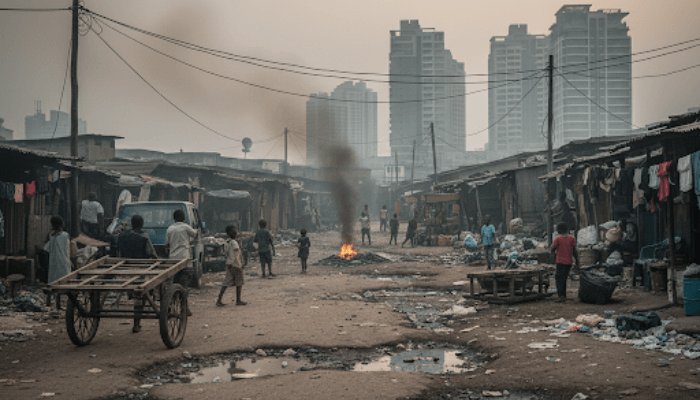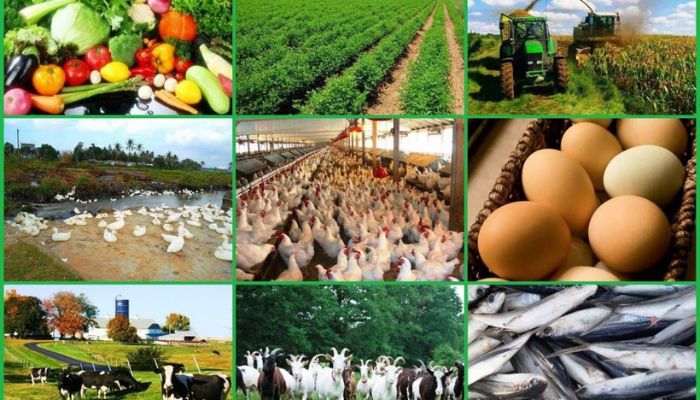
Nigeria is teetering on the edge of an agricultural crisis, and yet, it feels like nobody is in a hurry to do anything about it. Climate change is not just some future worry; it is happening right now, making decades of slow policy changes and inefficiencies even worse. What used to be a stronghold of economic stability, Nigeria’s agricultural sector, is now facing huge challenges from extreme weather, less available farmland, and rising security issues. The effects are serious: food prices are skyrocketing, there is a growing gap in supply, and social and political tensions are on the rise. It is no longer about whether Nigeria needs to take action; it’s about whether it can afford not to.
“The global climate crisis will not wait for Nigeria’s bureaucracy to catch up; proactive, agile governance is imperative.”
Nigeria’s agriculture is in the throes of climate-induced distress. According to the Nigerian Meteorological Agency (NiMet), average temperatures have risen by 1.5°C since the 1960s, increasing droughts in the north and flooding in the south. The 2022 floods, which displaced 1.4 million people and submerged over 569,000 hectares of farmland, were not an anomaly but a harbinger of what lies ahead. Desertification continues to consume 351,000 hectares of arable land annually, while soil erosion in southern states reduces agricultural productivity.
If left unaddressed, these factors could slash crop yields by 30 percent by 2050, according to the International Food Policy Research Institute (IFPRI). The consequences extend beyond food security; they threaten economic stability and exacerbate rural-urban migration, heightening social tensions.

Nigeria’s food security crisis is not just a product of environmental change but of structural dysfunction. The country, despite having 82 million hectares of arable land, remains excessively reliant on food imports. The failure to harness domestic agricultural potential has left consumers vulnerable to inflationary shocks.
Food prices have soared, with the cost of rice rising from ₦30,000 per bag in 2023 to over ₦70,000 in early 2025. The situation is worsened by widespread insecurity. In key farming regions such as Zamfara, Kaduna, and Benue, banditry and terrorism have driven farmers off their land, reducing agricultural output by 45 percent in conflict-affected areas, according to the National Bureau of Statistics (NBS).
Nigeria’s path forward requires bold, systemic reforms. The government must shift from reactionary measures to a proactive strategy that integrates climate resilience, technological innovation, and security enforcement.
The adoption of drought-resistant crop varieties, modern irrigation systems, and sustainable soil management practices must be prioritised. Rwanda’s climate-smart agricultural reforms have doubled food production in a decade; Nigeria must follow suit.
Read also: Agric growth hits 5-yr low as food insecurity lingers

With less than 5 percent of farmlands irrigated, Nigeria remains dangerously dependent on erratic rainfall. The government should allocate at least 30 percent of agricultural funding to irrigation expansion, ensuring year-round cultivation.
A national security strategy must incorporate technology-driven solutions such as drone surveillance and rapid-response forces to restore safety in agricultural zones. Farmers cannot cultivate their land in fear; ensuring security is fundamental to food security.
Nigeria loses 40 percent of its farm produce due to inadequate storage and processing facilities. Establishing agro-industrial zones with incentives for private sector participation can significantly cut post-harvest losses. Strengthening agricultural value chains will increase profitability for farmers and enhance food availability nationwide.
Subsidies must directly benefit farmers rather than intermediaries. Redirecting funds towards input support, mechanisation, and access to finance will improve efficiency and yield outcomes. Public sector agricultural funding must be transparent, ensuring that resources reach the right hands.
Nigeria stands at a crossroads. The choice is stark: embrace comprehensive reforms or risk an irreversible decline into food insecurity and economic instability. The global climate crisis will not wait for Nigeria’s bureaucracy to catch up; proactive, agile governance is imperative. The time for half-measures has passed. Without decisive intervention, hunger, displacement, and political unrest will become the defining features of the next decade. To mitigate these risks, Nigeria must immediately establish a national task force dedicated to climate-smart agriculture, ensuring cross-ministerial collaboration and rapid implementation of sustainable practices.
The country has the resources, the land, and the expertise to avert this crisis. What it lacks is the political will to translate potential into tangible progress. The cost of inaction is clear: widespread suffering and national instability. The price of leadership, however, is commitment—a commitment to long-term vision, transparent governance, and the empowerment of Nigeria’s farmers. This commitment must manifest in the form of substantial, sustained investment in research and development, fostering innovation in drought-resistant crops and advanced irrigation technologies.
Furthermore, a robust system of monitoring and evaluation should be put in place to ensure that allocated resources are utilised effectively and that progress is measurable. Which will Nigeria choose? Will it succumb to the inertia of outdated practices, or will it rise to the challenge, forging a path towards a resilient and prosperous future for all its citizens?
The time for dialogue is over; the moment for transformative action is now, and it demands the unwavering dedication of every stakeholder, from government officials to local communities.