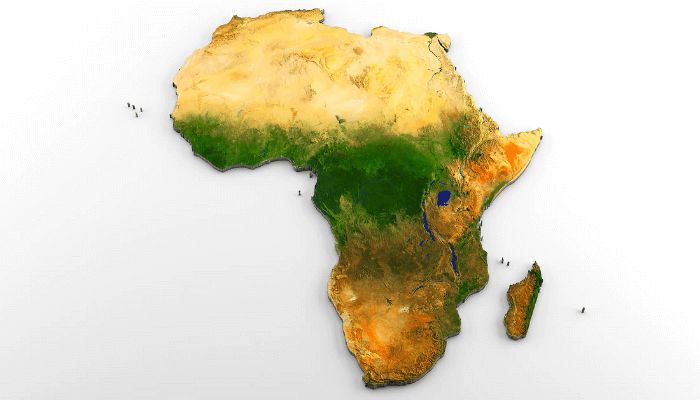
Africa is often described as the continent of opportunity, a place brimming with untapped resources, a youthful population, and immense potential for economic growth. Yet, despite its abundant natural wealth and demographic advantages, the continent has struggled to achieve transformative economic development that can lift its people out of poverty and propel its nations into global prosperity. Achieving transformative economic growth in Africa requires a multifaceted approach, focusing on infrastructure development, innovation, good governance, industrialisation, education, and regional integration. Let us explore how these factors can work together to foster sustainable and inclusive growth across the continent.
1. Infrastructure development: Building the foundation
Infrastructure serves as the backbone of any economy. For Africa to experience transformative economic growth, significant investment in transportation, energy, and digital infrastructure is crucial. Road networks, reliable power supply, and limited internet access constrain African countries’ ability to engage fully in global trade and innovation. According to the African Development Bank (AfDB), inadequate infrastructure reduces Africa’s economic growth by approximately 2% annually, and this deficiency also hampers productivity by as much as 40%.
Read also: Inside Africa’s richest city, home to over 12,000 millionaires

To address this, Africa must prioritise investment in roads, railways, ports, and energy systems. Sustainable and green infrastructure projects, such as renewable energy initiatives, offer a pathway for Africa to meet its developmental needs while contributing to global efforts against climate change. Public-private partnerships (PPP) could be vital in financing these projects, allowing governments to collaborate with businesses to improve infrastructure.
2. Innovation and technology: Catalysts for economic transformation
Innovation and technology can act as powerful levers for economic transformation, particularly in agriculture, healthcare, education, and financial services. Mobile technology, for instance, has already revolutionised financial inclusion in Africa. Mobile money platforms, like M-Pesa in Kenya, have empowered millions of Africans to access financial services, even in rural and underserved areas. By building on such innovations, Africa can leapfrog over traditional development pathways, advancing rapidly into the digital economy.
Africa has an opportunity to harness its tech-savvy youth population to drive economic growth through digital entrepreneurship and innovation. Governments and private sectors need to invest more in research and development (R&D), science, and technology education to nurture a culture of innovation. Local solutions tailored to African contexts, such as using drones for agricultural monitoring or blockchain for land registration, can address specific development challenges and stimulate growth.
“By building on such innovations, Africa can leapfrog over traditional development pathways, advancing rapidly into the digital economy.”

3. Good governance and transparency: Cornerstones of progress
Good governance, rule of law, and transparency are essential for transformative economic growth. Corruption, weak institutions, and political instability remain significant barriers to progress in many African nations. Without effective governance, resources are often misallocated, and investor confidence wanes, limiting the ability to attract foreign direct investment (FDI).
African governments must focus on strengthening institutions, ensuring the independence of the judiciary, and promoting transparency in resource management. Anti-corruption initiatives and governance reforms are necessary to create an environment where businesses can thrive and citizens can trust their governments to act in the public interest. When governance systems are robust, economies become more resilient, and the benefits of growth are more likely to reach the wider population.
4. Industrialisation and value addition: Moving beyond raw materials
Historically, Africa’s economic growth has been hampered by over-reliance on exporting raw materials, such as oil, minerals, and agricultural products. This approach exposes African economies to external shocks, such as fluctuations in global commodity prices. To achieve transformative growth, African nations must shift from mere raw material exporters to value-added goods producers. Industrialisation can diversify economies, create jobs, and enhance competitiveness in global markets.
Investing in manufacturing, agro-processing, and industrial technologies will enable African countries to increase the value of their exports. Regional industrial zones and special economic zones (SEZs) can attract foreign investors and promote intra-African trade by creating hubs for production and innovation. Implementing the African Continental Free Trade Area (AfCFTA) gives African countries a unique opportunity to strengthen industrialisation and trade, making African-made products more competitive globally.
5. Education and skills development: Empowering the workforce
The key to sustainable economic growth is an educated and skilled workforce. Africa’s youth comprise 60 percent of the population and represent a tremendous asset. However, this demographic dividend could become a demographic disaster without adequate investment in education and skills training. African governments must prioritise education and vocational training to build a workforce that can meet the demands of the 21st-century global economy.
Read also: How Women Achievers Africa is building a future where no woman stands alone
Focusing on Science, Technology, Engineering, and Mathematics (STEM) education and technical and vocational training can equip young Africans with the skills necessary to participate in high-growth sectors like technology, manufacturing, and services. Education systems should also foster entrepreneurship and creativity, enabling young people to become job creators rather than job seekers. Partnerships between educational institutions and industries can help ensure that the skills taught align with market needs, making African workers more competitive globally.
6. Regional integration: Harnessing the power of unity
Africa’s fragmented markets have often been a hindrance to economic growth. With over 50 countries with regulations and currencies, doing business across African borders has been complicated and costly. The AfCFTA, launched in 2021, is a groundbreaking initiative to create a single market for goods and services across the continent. It is expected to boost intra-African trade by 52 percent and attract regional investments.
By deepening regional integration, African countries can create economies of scale, reduce trade barriers, and increase competitiveness. Enhanced collaboration across borders in infrastructure development, trade facilitation, and regulatory harmonisation will allow African businesses to thrive and engage more fully in global trade.
Transformative economic growth in Africa requires a concerted and coordinated effort across multiple sectors. Africa can unlock its potential by focusing on infrastructure development, promoting innovation, fostering good governance, embracing industrialisation, empowering the youth through education, and deepening regional integration. The journey toward sustainable prosperity is not without challenges, but with the right strategies, Africa’s future can be one of inclusive and transformative growth that benefits all its people.
The key to Africa’s economic transformation lies in its ability to turn challenges into opportunities, leveraging its resources, population, and innovation potential to chart a path toward sustainable development and prosperity.
Prof Lere Baale is the Director of Business School Netherlands International in Nigeria.