…Students in endless protest over power outages
…FG plans remedial intervention
…Analysts urge teaching hospitals, varsities to seek long-term solution
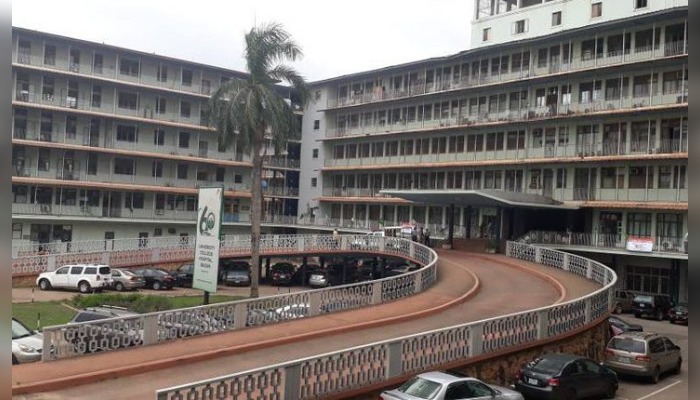
For over 100 days, the University College Hospital (UCH) Ibadan, Nigeria’s first teaching hospital, was plunged into darkness. The power outage, a consequence of mounting electricity debts, severely disrupted medical training, healthcare delivery, and research.

Across Nigeria, other institutions such as the University of Benin Teaching Hospital, Ahmadu Bello University Teaching Hospital, Lagos University Teaching Hospital, among other elite hospitals, are also grappling with similar crises.
The root of the problem lies in the rising electricity costs. The April 2024 tariff hike by the National Electricity Regulatory Commission (NERC) saw ‘Band A’ consumers, where most universities and teaching hospitals fall, face above 200 percent increase, from N68 per kilowatt to N209.50. With insufficient government subvention, many institutions have accumulated debts running into hundreds of millions of naira. As a result, electricity distribution companies (DisCos) have responded with disconnections, leaving these critical institutions in darkness.
Medical training in jeopardy
UCH, like other teaching hospitals, serves a dual role: providing healthcare services and training the next generation of medical professionals. With prolonged power outages, essential training activities have stalled.
Medical students as well as patients took to the streets to protest the devastating impact of the power crisis in the facility.

Tade Oludayo, a professor at UI, emphasised the gravity of the situation. “Constant electricity is central to effective teaching, research, and medical service delivery. When power is epileptic or unavailable, it disrupts training, frustrates research, and hinders access to healthcare services,” he said.
The lack of electricity means medical students cannot access essential learning tools such as simulation labs, diagnostic equipment, and digital resources. Procedures that require electricity-dependent medical tools, such as radiology and laboratory tests, become impossible, stalling both training and patient care.
Read also: UCH medical students protest 100-day power outage
Healthcare at risk
UCH and other affected teaching hospitals are referral centres for complex medical cases across the country. Power outages have led to the cancellation of critical surgeries, laboratory tests, and imaging services. In a country where healthcare is already struggling with inadequate funding and infrastructure, the absence of reliable electricity further weakens the system.
For instance, medical professionals at UCH have reported increased delays in emergency response due to the inability to power life-saving equipment.
“How do you perform surgeries without electricity? How do you run ventilators, incubators, and dialysis machines?” asked a frustrated doctor who wished to remain anonymous.
The cost of alternative power sources only worsens the crisis. Running diesel generators, the primary backup option, is unsustainable, with the price of diesel ranging between N1,200 and N1,400 per litre. Hospitals spend millions of naira weekly on fuel, diverting scarce resources from patient care and infrastructure development.
The brain drain factor
Nigeria is already losing its best medical professionals to migration, a phenomenon known as the ‘japa’ wave. The lack of basic infrastructure, such as electricity, is worsening the situation. Medical students and young doctors trained under these poor conditions are increasingly seeking better opportunities abroad.
“How do you retain people in Nigeria with this kind of experience during training?” Oludayo asked. “Those not trained well today will be a disaster to the country tomorrow.”
In the last few years, thousands of Nigerian medical professionals left for better opportunities in the UK, US, and Canada. The continued failure to provide stable electricity and conducive training conditions will only accelerate this exodus, deepening the country’s healthcare crisis.
Government’s response
Following protests by medical students and growing public outcry, Adebayo Adelabu, minister of power, visited the facility on Monday in a bid to address the crisis.
The minister announced that UCH would be incorporated into the Energising Education Programme (EEP). The initiative aims to provide sustainable and clean power to federal universities and teaching hospitals, with plans to establish a 50MW interconnected solar power mini-grid before the end of the year.
While this intervention is promising, experts argue that teaching hospitals and universities must seek long-term solutions beyond government projects. Some analysts recommend that universities design and construct their off-grid electricity projects, such as solar farms and independent power plants, to reduce dependency on DisCos.
Read also: Adelabu promises action as UCH students protest blackout
Power restored to UCH, students protest exemption
Students of the UCH and the University of Ibadan resumed protest on Thursday after their halls of residence were exempted from the power restoration to medical school. Notably, Alexander Brown Hall and Ayodele Falase Postgraduate Hall were excluded from the power restoration.
“We consider the deliberate exclusion of our halls from the reconnection an act of injustice that must never stand,” Aweda Bolaji, the UI Students’ Union president, said in a statement.
In a video posted on X, the protesting students were seen calling out the power minister and the management of the institution over exclusion from the power supply.
“This is an act of bad faith and the students are making it clear: they will not back down until electricity is fully restored. The struggle continues,” a student simply identified as Mubarak said on X.
“This UCH light issue is actually very ridiculous! The students that made the problem known to the world by protesting, have been denied light in the hostel while the light for other parts of the hospital has been reconnected,” another X user said.
Nigeria’s healthcare and education sectors are at a breaking point, and the power crisis is a major contributor. Without urgent intervention, the quality of medical training and healthcare delivery will continue to decline, worsening the already dire state of the health sector. The government, academic institutions, and power providers must find sustainable solutions to ensure that Nigeria does not lose its future doctors before they even begin their careers.
Full list: 20 federal teaching hospitals in Nigeria
Teaching hospitals play a pivotal role in medical education, research, and healthcare delivery across the nation.
These institutions are often affiliated with universities and serve as training grounds for future healthcare professionals.
These institutions are integral to Nigeria’s healthcare system, providing specialised medical services and serving as centres for advanced medical training and research.
Below is a list of 20 federal teaching hospitals in Nigeria, along with their locations:
1. University of Benin Teaching Hospital, Benin City, Edo State
2. University of Calabar Teaching Hospital, Calabar, Cross River State
3. University of Abuja Teaching Hospital, Gwagwalada, Federal Capital Territory (FCT)
4. University College Hospital, Ibadan, Oyo State
5. Obafemi Awolowo University Teaching Hospital, Ile-Ife, Osun State
6. University of Ilorin Teaching Hospital, Ilorin, Kwara State
7. Irrua Specialist Teaching Hospital, Irrua, Edo State
8. University of Nigeria Teaching Hospital, Ituku-Ozalla, Enugu State
9. Jos University Teaching Hospital, Jos, Plateau State
10. Aminu Kano University Teaching Hospital, Kano, Kano State
11. Lagos University Teaching Hospital, Lagos, Lagos State
12. University of Maiduguri Teaching Hospital, Maiduguri, Borno State
13. Nnamdi Azikiwe Teaching Hospital, Nnewi, Anambra State
14. University of Port Harcourt Teaching Hospital, Port Harcourt, Rivers State
15. Usmanu Danfodiyo University Teaching Hospital, Sokoto, Sokoto State
16. University of Uyo Teaching Hospital, Uyo, Akwa Ibom State
17. Ahmadu Bello University Teaching Hospital, Zaria, Kaduna State
18. Federal Teaching Hospital, Abakaliki, Ebonyi State
19. Abubakar Tafawa Balewa University Teaching Hospital, Bauchi, Bauchi State
20. National Hospital, Abuja, Federal Capital Territory (FCT)
Source: Federal Ministry of Health and Social Welfare