.Ghana, Togo, Benin affected
A major gas shortage is imminent across West Africa as Nigeria, the region’s largest gas supplier, has announced an extended maintenance shutdown of one of its longest pipelines, the West African Gas Pipeline (WAGP).
The maintenance work, which is expected from February 5 to March 2, 2025, is expected to temporarily halt gas supplies to neighbouring countries, including Ghana, Togo, and Benin, raising concerns about energy shortages in the region.
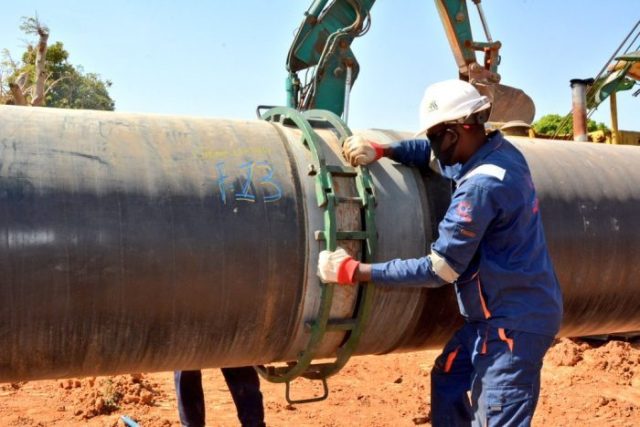
The WAGP, 569-kilometer offshore pipeline stretching from Itoki in the Ifo Local Government Area of Ogun State, Nigeria, to Takoradi in Ghana’s Western region, supplies natural gas to the aforementioned West African countries.
The pipeline supplies a chunk of Ghana’s gas needs and significant portions of Togo and Benin’s energy requirements.
The shutdown, expected to last for at least 25 days, has left these countries scrambling to find alternative energy sources to mitigate the impact on their economies.
Maintenance is mandatory
The West African Gas Pipeline Company Limited (WAPCO), which operates the pipeline, stated that the maintenance is essential to ensure the pipeline’s integrity and prevent potential leaks or failures.
According to Isaac Doku, general manager, corporate affairs, there will also be a partial suspension of gas supply from Nigeria to Ghana. Supply from Nigeria to Temu (Ghana) will be suspended while delivery to Takoradi (Ghana) will continue.
“These activities include the pigging and the in-line inspection of the 569 km offshore pipeline infrastructure from Ajido, Lagos State, Nigeria, to Takoradi, western region of Ghana, and replacement of critical subsea valves at Tema and Cotonou to enhance operational safety.
“This maintenance project will necessitate the temporary suspension of specific services, including the reverse flow transportation of natural gas from Ghana’s Western Region to Tema in the east, as well as gas transportation services from Nigeria to Cotonou Benin), Lomé Togo) and Tema (Ghana).
“However, some gas transportation services from Nigeria to Takoradi in Ghana will continue during this period to ensure the successful execution of the pipeline cleaning and inspection activities,” the statement read.
WAPCO explained that the maintenance project is a regulatory requirement mandated every five years and aligns with industry best practices to ensure the pipeline’s safe and efficient operation.
It added that the maintenance exercise is conducted in two phases. The first phase was completed in December 2024 and focused on cleaning and inspecting the onshore section of the pipeline within Nigeria.
The second phase, beginning on February 5, 2025, will target the offshore section of the WAGP.
“WAPCo is mandated to conduct these inspections every five years (or on a risk-based schedule) as part of its commitment to maintaining the integrity of the WAG and ensuring its safe and reliable operation across the West African region.
“WAPCo has actively engaged with key stakeholders to ensure the necessary alignment for the successful implementation of this project. WAPCo is grateful to the governments of Benin, Ghana, Nigeria, and Togo for their ongoing support,” the statement added.
Auwal Ibrahim, WAPCo’s general manager operations and maintenance said, “The company will continue to engage with relevant stakeholders on all matters to ensure the project’s safe execution and success.”
Economic impact
The halt in gas supply is expected to have significant economic repercussions, particularly in Ghana, where gas-fired power plants generate a substantial portion of the country’s electricity.
Industries reliant on gas for production are already reporting slowdowns, and there are fears of widespread power outages if the situation persists
On Wednesday, the Ghana Grid Company LTD. (GRIDCo) and the Electricity Company of Ghana (ECG), in a joint statement, said thermal plants in Tema, a city on the Bight of Benin and Atlantic coast of Ghana, will not have gas to operate and would have to shut
“To minimise the impact on power supply in the country, stakeholders in the energy sector led by the Ministry of Energy and Green Transition have procured volumes of liquid fuel for some generating plants in Tema that have the capacity to operate on alternative fuel to enable them to remain in operation during the period of the ‘Pigging’,” statement said.
It added, “The Ghana Grid Company Ltd and other stakeholders are working around the clock to mitigate any potential power supply challenges that might arise from the shutdown”.
In Togo and Benin, the impact is equally severe. Both countries depend on Nigerian gas to fuel their power plants and support their growing economies.
BusinessDay findings showed local businesses are bracing for higher energy costs, which could lead to increased prices for goods and services.
“It will also affect the company’s revenue and other financial obligations,” said one energy analyst, who preferred anonymity.