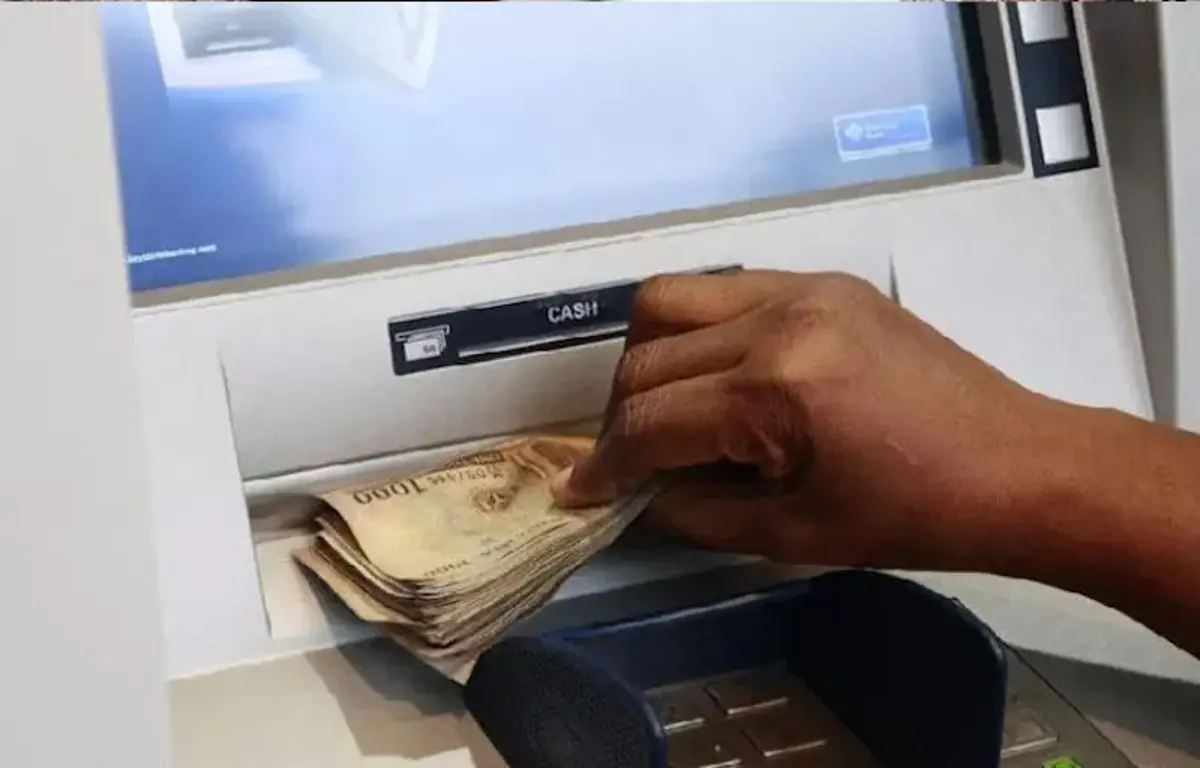
In recent times, the nation’s currency, the naira has been in a weakling condition against the US dollar in spite of the various measures put in place by the Central Bank of Nigeria (CBN) to strengthen it and maintain stability.
One of the reasons why this problem has persisted is as a result of over-reliance on the US dollar by Nigerians with little demand outside Nigeria.
Other reasons include high growth but rigid domestic economy, currencies tend to follow national mood, also follows the credit rating and would be weaker if not for the high exchange rate of 13 percent according to John Coppock, financial journalist and investment writer for the Dutch Asset Management Group Robeco.
Coppock maintained that Nigeria needs to diversify its economy and depend less on the greenback in other to improve it economy as well as strengthen its currency.

This and other issues were extensively discussed at the just concluded 4-day training workshop on ‘Advanced Financial Journalism at the Press Association on London, UK, which was organized by FirstBank of Nigeria limited.
This is as part of the bank’s intervention programme and in sync with its engagement strategy for brand building and media empowerment.
The training programme started three years ago with 15 journalists selected across media houses and writing beats to acquire advanced skills in journalism. This year’s training, the third, after highly successful first two editions in 2013 and 2014, brings together journalists from both print and electronic media to learn modern techniques of sustainable financial reporting for the future of Nigeria in the digital age.
Declaring the training open, Folake Ani-Mumuney, group head, marketing & corporate communications for FirstBank, said, “In furtherance of FirstBank’s drive to support knowledge–based journalism among Nigerian practitioners, the bank decided to partner with the UK based media training firm, Philip Harrison Associates International, to organise a training and excursion programme for select Nigerian journalists.”
Highlights of the training include a three-day rigorous classroom work where participants were taken through the rudiments of macroeconomic reporting. Coppock, discussed with journalists on where Nigeria is now with global economics.

For instance, he noted that Nigeria’s GDP has tripled since 2005 to $522 billion but still growing by 6 percent pa annum, while this is one-fifth of the size of the UK’s GDP of $2.5 trillion.
Also discussions during the training were issues like regulatory measures to avert another financial crisis, quantitative easing and tapering, commodities, the main types of market and what to look out for when reporting; derivatives such as oil futures, interbank finance and the new threat of cybercrime.
Neil Fitzgerald, one of the lecturers took journalist through reporting on SMEs. Arts, culture, health and corporate social responsibility, an overview for Nigerian Journalists was handled by Roberta Cohen, another tutor, while Andrew Drinkwater, lecturer thought on social media for Journalists.
However, to add more colour to the programme, participants were taken on visit to London Stock Exchange, British Broadcasting Corporation (BBC), Lyceum Theater and other areas, which exposes Nigeria as aging behind in terms of development.
HOPE MOSES-ASHIKE