Against the backdrop of the recently concluded UNFCCC Conference of Parties (COP) 29 in Baku, Azerbaijan, it is evident that climate change is not just an environmental issue but an economic one, with far-reaching implications for Nigeria’s development. As the largest economy in Africa, Nigeria is at a critical juncture where climate finance can play a pivotal role in driving sustainable development. With a rapidly growing population, estimated to surpass 400 million by 2050, the need for sustainable development has never been more urgent. Climate finance, the funding channelled towards activities that mitigate or adapt to climate change, offers a unique opportunity to address these challenges while unlocking economic growth.
Much furor has been made about the New Collective Quantified Goal (NCQG) on Climate Finance that was agreed to at COP29, with numerous developing nations, including Nigeria, registering their displeasure at the $300 billion per year pledge made by the developed countries to support climate mitigation and adaptation efforts of countries in the global south. This new pledge replaced the previous commitment agreed upon by developed nations in 2009 to mobilise $100 billion annually, which should have been met by 2020 but was only realised two years later. Whilst the NCQG fell short of the approximate $1.3 – $2 trillion required annually by developing countries, the stark reality is that Nigeria has been unable to tap into even one percent of the previously committed funds. To meet its Nationally Determined Contributions (NDCs), Nigeria needs to mobilise north of $20 billion annually.
Read also: COP29: CSOs call for $8trn climate debt settlement
This article aims to raise awareness about the significance of climate finance in Nigeria. It explores its potential to accelerate development and urges stakeholders to increase collaboration and harness this opportunity to create a more resilient and prosperous future.

Understanding climate finance
Climate finance refers to local, national, or transnational financing—drawn from public, private, and alternative sources—that seeks to support mitigation and adaptation actions to address climate change. Mitigation involves reducing greenhouse gas emissions to curb the pace of climate change, while adaptation focuses on adjusting to the current and anticipated impacts of climate change. The sources of climate finance are diverse, ranging from government budgets and international development funds to private sector investments and innovative financial instruments like green bonds and carbon credits.
For Nigeria, a country highly vulnerable to the effects of climate change, accessing and utilising climate finance is crucial. The impacts of climate change in Nigeria are already evident, ranging from desertification and increased frequency of extreme weather events, such as floods and droughts, to rising sea levels threatening coastal communities. These impacts pose significant risks to key sectors of the economy, including agriculture, water resources, and energy, which are all critical for the country’s development. With the fiscal constraints the country faces due to multiple macro and socio-economic factors, climate finance provides an opportunity to tap into these alternative financing mechanisms to fund green development projects.
“Climate finance can be used to build climate-resilient infrastructure that can withstand the effects of climate change, such as floods, storms, and rising temperatures.”
The role of climate finance in development

Nigeria’s development goals, as outlined in the Economic Recovery and Growth Plan (ERGP) and the Sustainable Development Goals (SDGs), emphasise the need for economic diversification, poverty reduction, and inclusive growth. Climate finance can support these objectives by providing the necessary resources to invest in sustainable infrastructure, promote green industries, and enhance resilience to climate impacts.
Supporting sustainable agriculture
Agriculture is the backbone of Nigeria’s economy, employing over 70 percent of the population and contributing significantly to GDP. However, the sector is highly susceptible to climate change, with erratic rainfall patterns, droughts, desertification, and floods threatening food security. Climate finance can support the transition to climate-smart agriculture, which involves adopting practices that increase productivity, enhance resilience, and reduce emissions.
For instance, investments in improved irrigation systems, drought-resistant crops, and agroforestry can help farmers adapt to changing climate conditions while boosting yields. Furthermore, climate finance can facilitate access to insurance products that protect farmers against climate-related risks, thereby ensuring their livelihoods and contributing to poverty reduction.
Enhancing energy access and transition
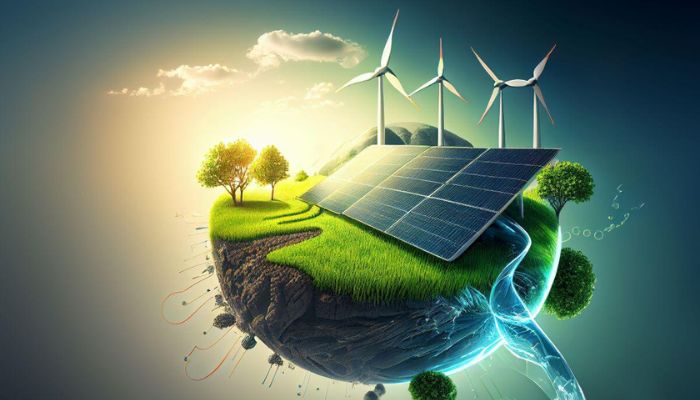
Nigeria’s energy sector is critical for development, yet it faces significant challenges, including inadequate infrastructure, over-reliance on fossil fuels, and limited access to electricity in rural areas. Climate finance can accelerate the transition to renewable energy sources, such as solar, wind, and hydroelectric power, which are abundant in Nigeria.
Investing in renewable energy not only helps mitigate climate change by reducing greenhouse gas emissions but also enhances energy security and provides access to electricity for millions of Nigerians. This, in turn, spurs economic development by enabling small businesses to thrive, improving healthcare and education, and reducing the cost of energy for households.
Read also: Nigeria secures WMO commitment for enhanced climate, meteorological support at COP 29
Building climate-resilient infrastructure
Nigeria’s infrastructure deficit is a significant barrier to development. Roads, bridges, and buildings are often poorly designed or constructed without consideration of climate change impacts, making them vulnerable to extreme weather events. Climate finance can be used to build climate-resilient infrastructure that can withstand the effects of climate change, such as floods, storms, and rising temperatures.
For example, climate finance can support the construction of flood defences, the reinforcement of existing infrastructure, and the development of early warning systems to reduce the impact of natural disasters. By investing in resilient infrastructure, Nigeria can safeguard its development gains and ensure that future growth is not derailed by climate-related shocks.
Promoting green industries and job creation
The transition to a low-carbon economy presents an opportunity for Nigeria to develop new industries and create jobs. Climate finance can support the growth of green industries, such as renewable energy, energy efficiency, and sustainable transport, which not only contribute to climate mitigation but also drive economic diversification.
For instance, the development of solar energy farms can create jobs in manufacturing, installation, and maintenance. Similarly, investments in energy-efficient technologies can lead to the creation of new markets and the development of skills in green engineering and construction. By promoting green industries, Nigeria can position itself as a leader in the global green economy while addressing unemployment and driving inclusive growth.
Read the complete article on our website…
Ibrahim A. Shelleng is the Senior Special Assistant to the President on Climate Finance & Stakeholder Engagement. Mr. Shelleng is also the Secretary of the Intergovernmental Committee on National Carbon Market Activation Plan (NCMAP) and serves as a member of the Presidential Committee on Climate Action and Green Economic Solutions, as well as the Presidential Steering Committee on Project Evergreen.