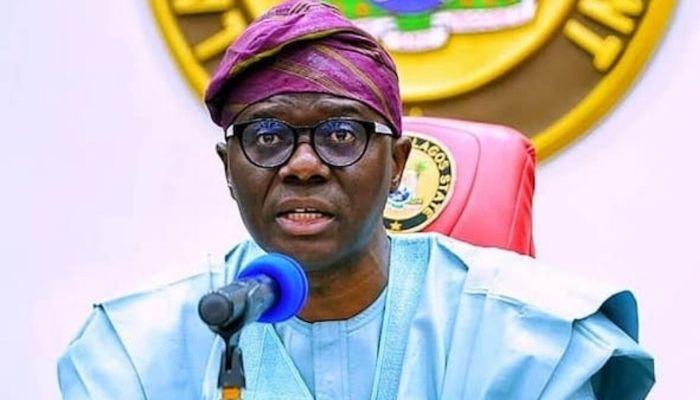
Lagos State took charge of its energy destiny on Tuesday when Governor Babajide Sanwo-Olu signed the Lagos Electricity Bill 2024 into law.
“With this law, we take a significant step towards eliminating the electricity blackouts that have affected our state for too long,” Sanwo-Olu said on his X handle.
Nigeria’s commercial capital currently generates about 15,000 megawatts (MW) of power through diesel generators. However, a mix of gas-sourced power and off-grid solutions means that the Lagos electricity market could potentially double on the back of the new electricity law.
At the signing ceremony at the Lagos Government House Alausa, Ikeja, on Tuesday, Sanwo-Olu said with the law, Lagosians can now be sure of a steady power supply.

Read also: Eight big changes to expect with Lagos electricity law
He said the law establishes a regulated electricity market that would provide affordable, reliable and sustainable power. It also encourages the use of diverse energy sources, fosters investment and innovation, and focuses on electrifying underserved areas, he noted.
“The law creates key institutions such as the Lagos State Electricity Regulatory Commission and the Lagos Independent System Operator. Special funds will be allocated for electrification projects and community development, while also protecting consumer interests and encouraging competition.”
The governor said the aim of the electricity law is to ensure that all residents in Lagos have access to electricity that is reliable and affordable.
On his part, Biodun Ogunleye, Lagos State commissioner for energy and mineral resources, said the electricity law will provide an additional grid for Lagos State and also put an end to blackout in the state.

“There will now be regular power supply,” he said.
Ogunleye noted that the step taken by the government stands as a beacon of progress that will ensure uninterrupted power supply in Lagos State.
The Lagos State Electricity Law 2024 is a comprehensive plan of Governor Sanwo-Olu’s resolve to address longstanding challenges in the energy sector, a move aimed at reducing the state’s dependency on the national grid, which inefficiencies and power outages have long plagued.
The legislation comes after the federal government granted states the authority to generate and distribute electricity, a decision made in 2023, which has now empowered Lagos to take full control of its energy infrastructure.
Objectives
The bill is targeted at establishing a Lagos electricity market that is technically sound, financially viable, and well-regulated
It is also meant to ensure access to affordable, reliable, and sustainable electricity for all citizens of the state.
It also focused on promoting diverse energy sources, including renewable energy and energy efficiency, while fostering investment, competition, and innovation in the electricity sector.
The electricity law is also focused on electrifying underserved areas, contributing to the sustainable development of Lagos State.
Read also: Lagos eyes improved power as Sanwo-Olu signs electricity bill into law
Institutions to be created
The law establishes critical institutions to manage and oversee the electricity market such as the Lagos State Electricity Regulatory Commission, which will have an independent oversight for regulatory compliance and licensing.
The Lagos Independent System Operator (ISO) will ensure system reliability and operational efficiency, while the Lagos State Electrification Agency will focus on expanding electricity access to underserved communities.
Furthermore, special funds will be created, including the Electrification Funds, which will finance electrification projects and sustainable energy solutions in underserved and Unserved Communities.
The Host Community Development (Community Trust Fund) will ensure that licensed power generating companies allocate a percentage of the previous year’s operating expenditure to developing their host communities.
Also, the Power Enforcement Unit will be established to address issues of electricity theft, damage and theft of infrastructure.
Boost for Economy
Lagos is Nigeria’s commercial capital, previously estimated at $134 billion size. Its gross domestic product (GDP) has fallen due to the exchange rate crisis, but it still remains Nigeria’s biggest economy with a population of over 20 million people.
Henley & Partners’ 2024 Africa Wealth Report 2024 said Lagos has 4,200 millionaires (in dollars). Lagos may have dropped from fourth to fifth in 2024 due to currency devaluation, but it still has 4,200 people who are worth N1.5 billion or above.
“This is big news for industries and businesses in Lagos and it is what residents have been clamouring for over the years,” said Ike Ibeabuchi, Lagos-based an emerging markets analyst.
Read also: Electricity Theft: Nigerians risk jail time, fines for these 8 offences
“It has the capacity to expand the Lagos economy and, by extension, Nigeria’s GDP. I only hope other states would copy this to transform their economies.”
Wemimo Oluwalade, a chartered accountant and banker, said on his X handle that this law has the capacity to break the electricity monopoly.
“Let have an additional five Discos and break off monopoly. Liberalisation is the way to have a 24-hour power supply guaranteed,” he said.