The Country Director, ActionAid Nigeria (AAN), Andrew Mamedu, says the current rate of food inflation is worrisome and urgent action is required to address it.
Mamedu expressed this view at the National Stakeholders Consultative Meeting on the 2025 Agriculture Budget on Tuesday in Lagos.
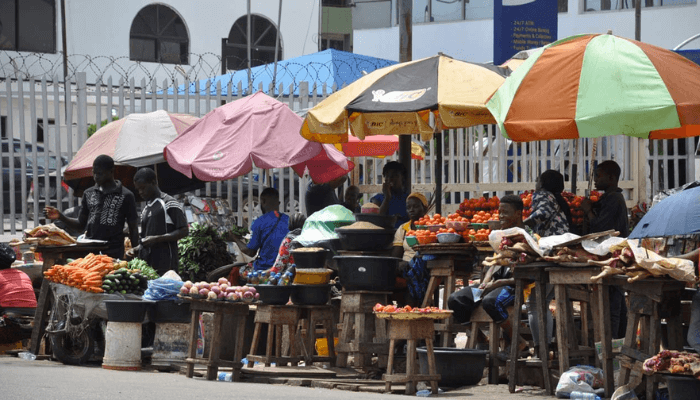
He said the recent data released by the National Bureau of Statistics (NBS) in its Consumer Price Index (CPI) report for June showed that food inflation in Nigeria surged to 40.87 per cent further intensifying the current food price crisis.
Mamedu said the nation was currently experiencing the worst food inflation in decades, exacerbated by a weakening naira, significant post-harvest losses, insufficient domestic agricultural production and a heavy reliance on costly imported food.

“Urgent action is imperative; it is evident that if food prices were still affordable, citizens would not be mobilising for protests.
“We hope that through this meeting, we can collaboratively propose immediate and long-term measures to alleviate the hardships faced by our country,” he said.
Mamedu said strategic investments in supporting smallholder farmers particularly women and youth were crucial.
According to him, such investment includes enhancing extension services, access to credit, labor-saving technologies, irrigation, inputs, post-harvest loss reduction such as processing and storage facilities, training and market access.
“It involves Climate-resilient Sustainable Agriculture (CRSA) and agroecology, research and development, monitoring and evaluation and effective coordination.

“By avoiding administrative inefficiencies and wasteful allocations, these investments will significantly contribute to Nigeria’s economic growth,’’ he said.
The meeting was hosted by AAN in collaboration with GIZ, Oxfam Nigeria, Ministry of Budget and Economic Planning, Federal Ministry of Agriculture and Food Security (FMAFS) and the Department of Agriculture and Rural Development of the ECOWAS Commission.
Mamedu said the meeting was in recognition of the significant impact that budget allocations and expenditures in the agricultural sector had on the well-being of our citizens.
According to him, the meeting underscores AAN’s commitment to fostering citizen participation in the agriculture policy and budget-making processes and advancing mutual accountability in Nigeria.
He said It aligned with AAN’s strategic objective of promoting democratic and inclusive governance by empowering citizens, ensuring local governance benefits the people, redistributing public finance and delivering effective, gender-responsive public services for the poor.
Mamedu said the consultative meeting was aimed at leveraging understanding on the National Agricultural Technology and Innovation Policy (NATIP), the National Agricultural Development Fund (NADF) and its connection to the Comprehensive Africa Agriculture Development Programme (CAADP) targets.
“This meeting will additionally strengthen citizens’ participation towards making 2025 agriculture budget responsive to food systems transformation and wealth creation.
“It will also support effective biennial reporting by Nigeria to the African Union Heads of States and Government in line with the Malabo Declaration and Commitments of 2014,”he said.