|
Getting your Trinity Audio player ready...
|
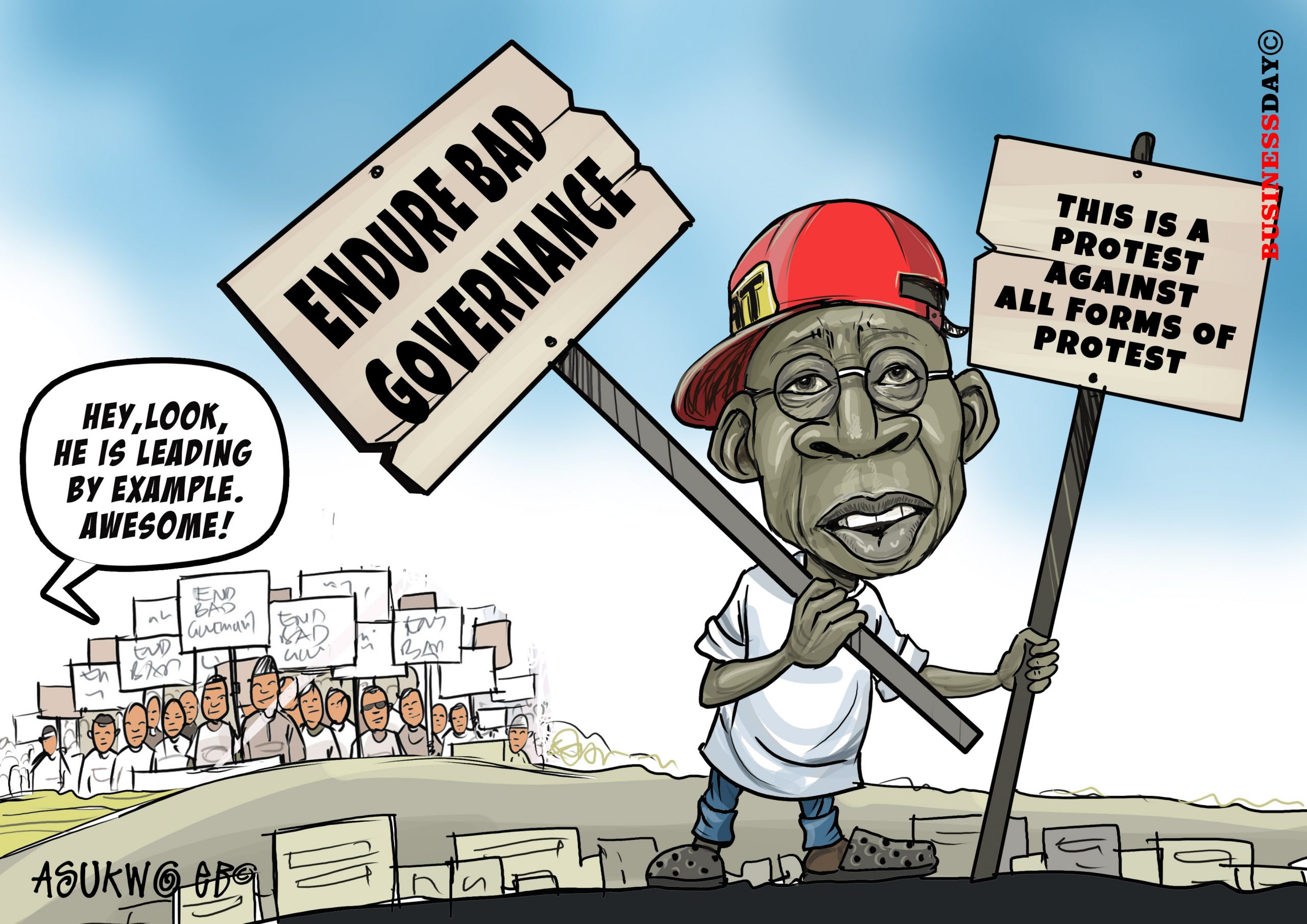
In Nigeria’s bustling commercial capital city, Lagos, fuel stations and markets have been overcrowded with residents rushing to fill their vehicles’ tanks and stock up food supplies ahead of the August 1 hardship protest.
The protest which has continued to gain momentum despite warnings, appeals and threats from government officials and security agencies is pushing Nigerians into panic buying as it kicks off tomorrow shrouded with uncertainties.
Jamiu Ibrahim, a Lagos ride-hailing driver filled his Corolla Sport saloon car to the brim at the fuel station, amounting to about N40,000 as against the regular half of the amount he now purchased.
Ibrahim said the lingering fuel scarcity together with the planned nationwide protest may be a double blow for his business, adding that though he doesn’t plan to work during the protest, he had to prepare for “eventualities”.

“I had to buy as much fuel as I could because no one knows for how long the protest may last,” the 35-year-old driver said with a tone of frustration.
At the popular Ikotun market, many Nigerians were seen buying food items even as they were quite pricey – the usual haggling between the seller and the buyer could be heard as it protracted for long.
Rekiat Balogun, the deputy market women leader said those that have been receiving patronage the most for the past one week are traders selling food items, indicating people are stockpiling as the protest heats up.
“Many of us selling clothing materials and accessories have not been getting as much buyers as those selling food stuff and mallams selling pepper” she said adding that the market might be closed down to avoid hoodlums looting their goods.
Even at the Igando mini market, the situation was not different as throngs of buyers were standing shoulder-to-shoulder buying rice, spaghetti and garri as the 10-day long protest draws near.

“I just have to buy some little food items with my salary, now I am left with almost nothing,” a Lagos civil servant said while looking in despair as beads of sweat broke off her face.
Nigeria is currently contending with a record high inflation rate at 34.19 per cent in June 2024 spawned by the two-time devaluation of the naira and removal of petrol subsidy by the President Bola Tinubu government.
The inflationary trends have raised Nigeria’s interest rates by a combined 800 basis points from 18.75 per cent last July to 26.75 per cent as the central bank continues to deploy monetary tools to restore the battered economy even as it hurts businesses borrowing costs.
Food inflation, which constitutes the largest percentage of the headline inflation, is currently at 40.87 per cent. The cost of energy and transportation has skyrocketed in the last year, making life difficult for the masses.
A recent report by the Cadre Harmonise revealed that no fewer than 24.9 million Nigerians were in the critical stage (crisis to emergency phase) of food insecurity as at March 2024.
The situation was projected to worsen and the number of vulnerable persons to potentially rise to 31.8 million between June and August this year.
Nigeria ranked 109th out of 125 countries on the 2023 Global Hunger Index, with a score of 28.3, indicating a serious hunger problem. Also, it ranked 107th out of 133 countries on the 2022 Global Food Security Index with an overall score of 42 and falling below countries like Niger, Sudan, and Venezuela, Agora policy said in a report.
In terms of food affordability, Africa’s most populous nation ranked last globally, a serious concern for a country where citizens spend about 60 per cent of their disposable income on food.
While citizens have the right to protest especially as hardship spreads like a wildfire, the economic impacts are always undesirable, many analysts have said.
Muda Yusuf, the chief executive officer of the Centre for the Promotion of Private Enterprise said the proposed nationwide protests could inflict an estimated daily loss of N400 billion to the already fragile economy.
He said the consequences of such a huge loss for the country and the citizens would be very severe, appealing for a shorter duration of one day in order for it not to degenerate into chaos and anarchy.
“Prolonged protests create opportunities for hoodlums, miscreants, and other criminal elements in the society to build momentum to unleash mayhem and destruction on the country,” the CPPE boss said.
Also, Beacon Security and Intelligence Limited said there is a high potential for clashes between protesters and security personnel as security forces brace up to prevent the escalation of the planned nationwide protest against hardship.
The security and risk management firm has however urged Nigerians to stock up on food and other essentials ahead of the demonstration slated for August 1 to 10.
“Stock up on supplies and other essentials, maintain a low profile and situational awareness, always carry a means of identification to facilitate verification, keep a safe distance from crowds and law enforcement presences to avoid getting caught in the situation,” it advised Nigerians.