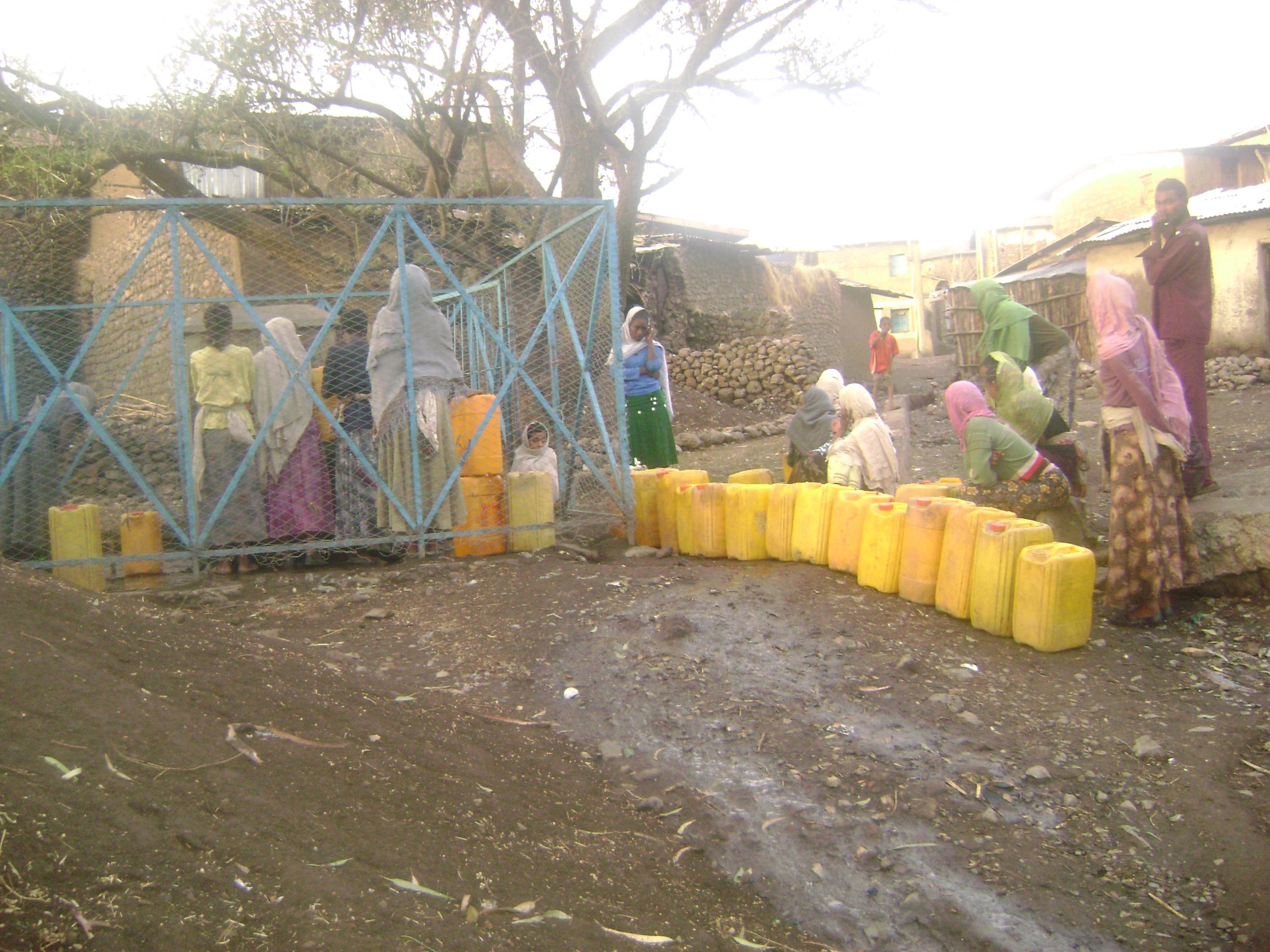
As the world celebrates World Water Day, the Pharmaceutical Society of Nigeria (PSN), has urged the federal government and Nigerians to tackle diarrhea which is a major cause of death among young children as 63.2 million people in Nigeria do not have access to safe water.
Sarah Ochekpe, the Minister of Water resources at the celebration of world water day on yesterday in Abuja said Federal Government is consolidating its efforts on ensuring availability of potable water for the Nigerian teeming population through harnessing its water resources.
“Federal Government has improved access to water coverage by 67 percent, sanitation by 40 percent and our surface and underground water reserves cumulatively to 440 billion cubic meters” the minister said.
“As at today, 13 dams which brings the total impoundment in our reservoirs to 34 Cubic meters, are ready for commissioning” she added.

Kanaan Nadar, the United Nation’s International Children Emergency Fund,(UNICEF) water and Sanitation Hygiene Chief in Nigeria revealed that 150 000 children die in the country largely due to diarrhea related diseases that is mostly associated with unsafe drinking water.
READ ALSO: Nigeria’s governance challenge not age, but leadership deficit (2)
Furthermore, (UNICEF) and World Health Organization (WHO) estimate that Nigeria is among a group of 10 countries that are home to almost two-thirds of the global population without access to improved drinking water sources.
Notably, almost 63.2 million people in Nigeria do not have access to safe water;over 112 million people don’t have access to adequate sanitation in Nigeria.
Globally, over three-quarters of a billion people, most of them poor still do not have access to safe water, despite the fact that the world on average already met the global target for safe drinking water set in the MDGs five years ago.

According to global head of UNICEF, Sanjay Wijesekera “Sometimes we focus so much on the big numbers, that we fail to see the human tragedies that underlie each statistic,” He added that “If 90 school buses filled with kindergartens were to crash every day, with no survivors, the world would take notice. But this is precisely what happens every single day because of poor water, sanitation and hygiene”.
In 2010, the UN General Assembly recognised safe drinking water and sanitation as a human right, which means that every person should have access to safe water and basic sanitation.
However, this basic right continues to be denied to the poorest people across the world. Unsafe water, inadequate sanitation and lack of hygiene affect the health, safety, and quality of life of children.
To further contain incidences of child killer diseases,the PSN urged the Federal government to ensure the sustenance of the SURE-P Maternal, Newborn and Child Health (MNCH)/Saving One Million Lives Initiative through which funding for the procurement of the essential Life-Saving Commodities under the auspices of the National Primary Healthcare Development Agency (NPHCDA).