A new report shows hard retail data, consumer needs and behaviour, combined with macro-economic datasets, are better indicators of opportunity and success in African markets.
For brands eager to tap into the growing African markets and the region’s estimated 350 million middle-class consumers, relying solely on macro-economic data such as GDP growth, population trends and regulatory governance data to identify opportunities and predict success can lead to costly missteps, according to a new report from Nielsen.
The findings, which are featured in Africa: How to navigate the retail distribution labyrinth – a new report released Wednesday – show it is the companies that combine retail data from both modern and traditional trade and consumer shopping behaviour with broader macro-environment indicators that are better positioned to identify the right markets, products, marketing and retail execution strategies that lead to sustainable growth and profitability in Africa.
“Conventional knowledge has held that where there is growth in population and GDP, and a stable business environment, a brand can succeed by being launched in the market. Those insights alone don’t provide a complete picture of Africa’s consumer opportunities,” said Allen Burch, head of Africa for Nielsen. “We found that successful consumer brands in Africa understand three key pieces of retail information: who shops where and for what, which retail outlets are the best for the product to generate sales, and how to build demand amongst retailers and consumers.”

Read also: Nigerian banks: A two-horse race?
In 2013, Nielsen began conducting a quarterly analysis of consumer, retail and business outlook data, as well as macro-economic data across seven sub-Saharan countries – Nigeria, Kenya, Ghana, South Africa, Tanzania, Uganda and Zambia – with plans to expand to additional countries over time.
Historically, one complaint has been the lack of market data within Africa. Without that insight, even companies with the right products for the right market can fail to get them in the right stores, leading to poor sales growth.
For most of Africa, the percentage of sales through modern trade is still small.
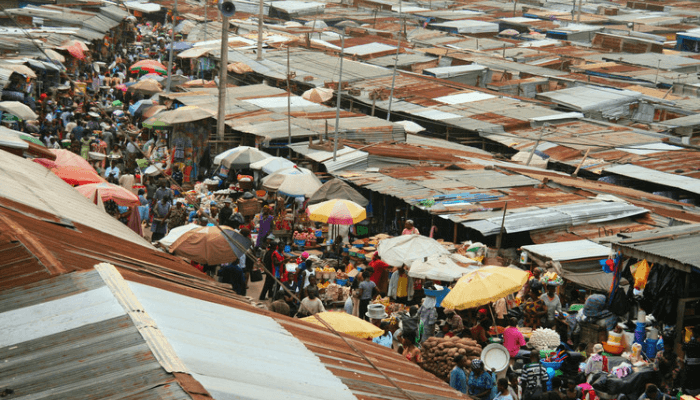
While international retailers are making investments in modern trade formats, traditional retail, like the kiosk and table top – a stall set up on the roadside or in a local market area to capture passing trade – is where the majority of consumer retail transactions occur.

Even in South Africa which has the most modern trade within Sub-Saharan Africa, 40 percent of sales come from traditional retailers.
Understanding the willingness of Africa’s consumers to try new products is also essential. There is a strong preference amongst consumers for brands and products they know, have tried before or that have been recommended by a trusted source, but the level of openness differs by country.
Nielsen analysis shows that, for example, in Nigeria consumer willingness to try new products increased to 73 percent in Q3 2014, but decreased in Ghana to 53 percent.
Even with an understanding of consumer preferences and shopping behaviors in Africa, brands still have to identify the best retail outlets for a product as a small proportion of outlets can account for a disproportionate amount of sales.
For example, Nielsen’s research and analysis of distribution and turnover of particular goods and products shows that in Lagos, laundry detergents are available for sale in 100,000 outlets, but that 80 percent of all laundry detergent sales come from 35,000 of those outlets, and a full 50 percent come from just 10,000 retail outlets.