I am aware that at the next forum when I bump into the minister of industry, trade and investment or the coordinating minister for the economy, I run the risk of: “Keith, you’re always complaining.” However, it is not that I have lacked suggesting proactive ways we can work together for Nigeria’s longer-term mutual benefit; my experience is that my attempts to offer constructive ideas fall on stony ground.
My first plea, and in this I have been consistent, is: let us have more meaningful and proper stakeholder engagement. True, there has been some improvement under Minister Aganga’s watch but it has been all too inconsistent. So many times important initiatives have been subject to ‘last minute dot com’ debate. I have lost count of how many invitations I have received on a Thursday or Friday to attend an important stakeholders’ meeting in Abuja on a following Monday morning. Usually, these are received casually via MAN or other bodies, which causes further delay. This is strange because government seems able to reach out directly when they are fund-raising for a project or organising a presidential dinner!
For true engagement and quality input, stakeholders need to be given at least two weeks’ notice and a clear list of the key areas to be discussed. Private sector stakeholders, manufacturers included, need to think laterally and share a sector-wide view rather than be company-specific. For this we need efficient and effective umbrella organisations, but critically, too many of the major companies do not commit to improving and developing existing industry groups such as MAN, AFBTE and NESG. In addition, too many of these groups refuse to engage properly with each other, e.g., MAN seeing NESG as a threat or a competitor rather than an ally in the war for effective governance. Responsibility here also lies therefore with the OPS for responsible engagement, not just government.
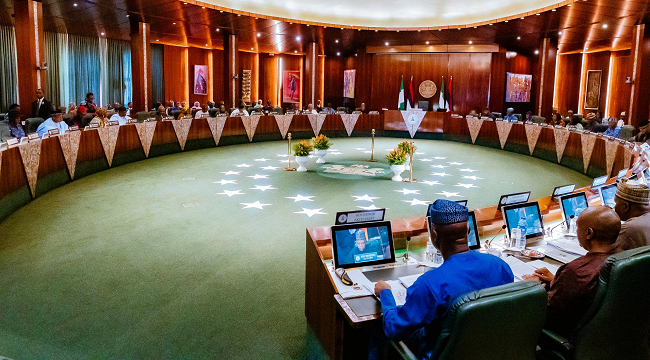
My second plea is that government provide greater opportunity for the private sector, especially manufacturers, to contribute to transparency and governance by joining the boards and controlling bodies of relevant MDAs. The boards of such bodies are packed with delegates of every part of the state machinery but actual users are woefully under-represented. As an example, according to their website, the supervising Board of Customs is composed of the following members: Minister of Finance (Chairman), The Comptroller General of Customs (Vice Chairman), a representative from each of Ministries of Commerce, Transport, Industries and Finance, someone from the National Universities Commission, and the Chair of IFRS as well as the DGs and legal advisor. Where are the representatives of operators and customers? With supervisory bodies of government, including relevant external stakeholders, engagement becomes more enshrined, transparency is enhanced and the contribution to regulatory and even legislative processes more effective. A quick trawl through various agencies’ websites shows almost none of them details governance and supervision arrangements.

My third plea is about enhancing public/private sector communication and education. Some years ago there was talk of private sector-funded courses for public sector managers on how the private sector works using a Harvard initiative via Lagos Business School. This would be one option but I am also a firm believer in creating more engagement in more direct ways. One would be to provide senior and mid-level civil service secondments into private business. By this I don’t mean just banks but in manufacturing and other capital and regulatory intensive commercial operations. This would be a stretch and require specific commitment from the OPS but could reap major improvements in mutual understanding.
A second way would be to embed ministry or agency officials drafting new legislation or regulations into the actual industry they are considering. This would enhance their understanding of the practicalities of their potentials drafts. I had suggested this before, specifically that ministry officials meet with actual practitioners (not CEOs but the managers on the ground), importers and clearing agents, to seek for ways to improve operations and ease the administrative bottlenecks in the ports. Anything should be considered that would reduce mutual suspicion. One argument against it is that public sector officials would discern the wide disparity in salaries, causing resentment. However, those that proved competitively capable would likely be given offers of employment, which would encourage them. Those that proved less able would not. Top performers would need to be offered incentives and an early promotion to keep them in the civil service – as happens in many other economies. This enterprise could be part of, indeed inspire, wider initiatives to transform our public sector.
So, as beleaguered as manufacturing is today, there are avenues open to improve the longer-term environment for existing and future industrial investors in a crucial part of the economy. These are just three that are top of mind and constrained by my available space. There would be many more if we ‘rubbed minds’ together. In the short term, a little more understanding and sympathy for the plight of the manufacturer would not go amiss. Rather than create yet more regulatory barriers and punitive measures, let us create more opportunities for engagement. Early topics might be with regulators to advance effectiveness and speed up the process of doing business in a way that would improve our laggard standing in all the usual ‘ease of doing business’ and ‘competitive’ tables. Nigerian administrators have talked long but too often without real substance about the real sector providing jobs and improving Nigeria’s competitiveness. When will we see meaningful action?
Keith Richards