In 2013, Unity Bank plc embarked on an aggressive recovery drive that significantly improved its non-performing loan (NPL) ratio from over 50 percent to 20.43 percent. The impact of the recovery drive will be felt more in the coming years, which will further improve the bank’s NPL ratio.
Consequently, the bank plans to reduce its NLP to 10 percent in December 2015, and further reduce it to 5 percent by the end of December 2016. Meanwhile, the regulatory standard for non-performing loan is 5 percent.
The bank is focusing on emerging middle market businesses. Henry James Semenitary, managing director/CEO of the bank, admits that Small and Medium Enterprises (SME) is key, as it grows the national GDP and is in line with the bank’s vision of Retail Bank of Choice.
“The strategic imperatives already employed by the bank will assist it actualise its vision of being ‘Retail Bank of Choice by ing on the historical position and spread to bridge the urban-rural gap in the economy. At the same time, attain the National Financial Inclusion Strategy by reaching out to the un-banked populace.
“Our growth strategy is strictly that of operational efficiency derived from our business model and strategic intent. This has resulted in improvement in all the key indices as reflected in our third quarter 2014 result. The growth is expected to continue in the foreseeable future,” Semenitari says.
There was increased level of confidence with the banking public as the bank was able to re-open banking relationships with major government agencies that manage and regulate major developmental sectors, among others.
The bank also raised Tier II capital by obtaining 7-year $70,000,000.00 loan from AFREXIM Bank, and 1-year $50,000,000.00 loan from AFREXIM Bank.
The bank is rated third under the CBN Commercial Agriculture Credit Scheme (CACS) with a total disbursement of N26.1 billion on about 65 projects. “We are at an advanced stage in accessing the SME special intervention fund from the Central Bank of Nigeria (CBN),” the managing director discloses.
The bank recorded a tremendous growth from a loss position of N33.64 billion as of December 2013, to a profit position of N12.02 billion before tax as of last quarter, September 2014.
The bank also recorded improvement of 37.2 percent in operational efficiency with a cost-to-income ratio reduced from 95.7 percent as of December 2013, to 60.03 percent currently.
The bank was recently recognised as one of the top 100 businesses in Nigeria by the Federal Government.
“We have successfully completed our Rights Issue and Special Placement of about N40 billion. The offer was oversubscribed. The bank has joined the Nigerian Stock Exchange 30 index (NSE30),” he says further.
Gross earnings rose by 6.05 percent to N48.14 billion in September 2014, from N45.40 billion in Q3 2013. Net interest income improved by 23.36 percent to N25.70 billion in the same period from N20.83 billion Q3 2013.
Unity Bank targets 5% NPL by December 2016


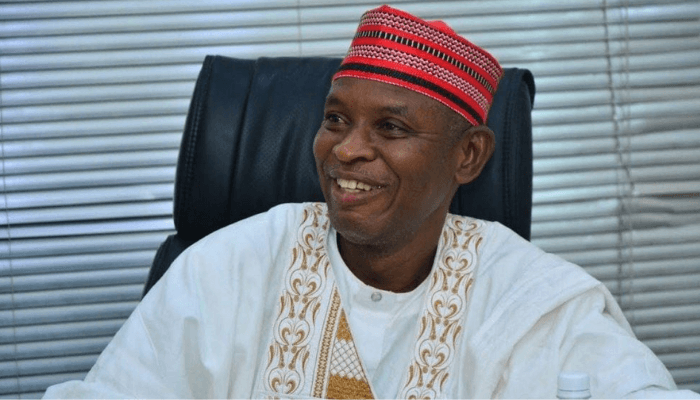
Kano governor Abba Yusuf meets Tinubu amid stalled APC defection
Abba Yusuf, the governor of Kano State, on Monday met with President Bola Tinubu at the State House, fuelling speculation…
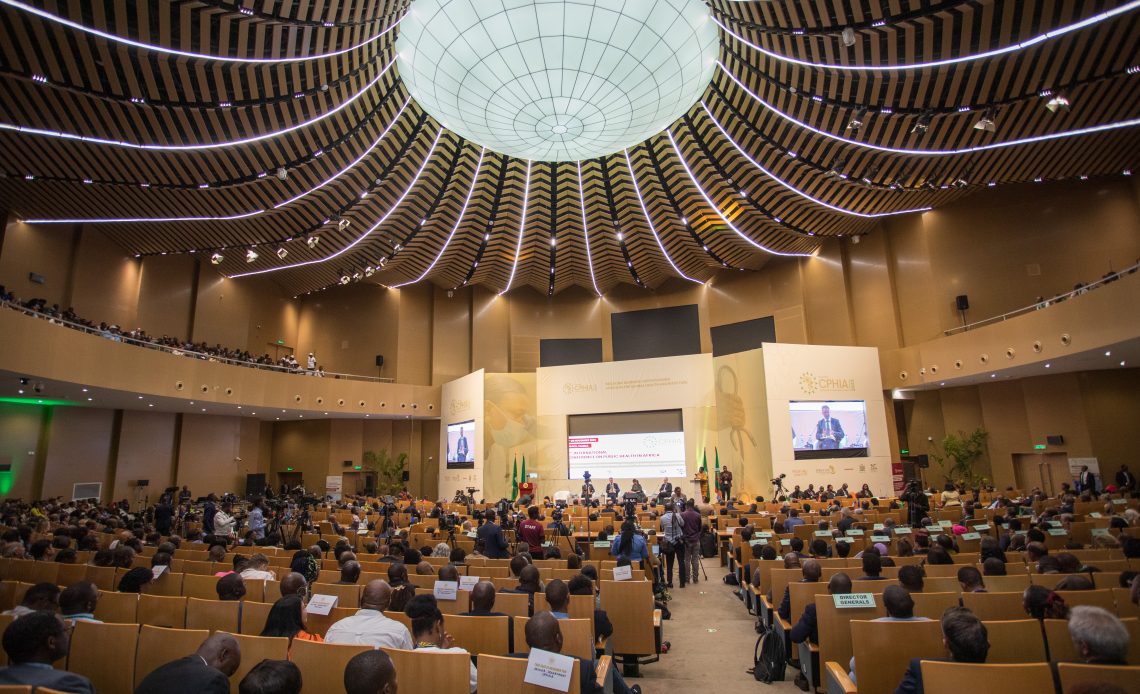
Africa CDC courts global events firm as demand for coordinated health leadership grows
The Africa Centres for Disease Control and Prevention (Africa CDC) is moving to strengthen its convening power, signing a strategic…
FairMoney hits N150bn lending mark as savings interest pay-outs top N7bn
FairMoney Microfinance Bank (MFB) has crossed a major milestone in Nigeria’s fast-evolving digital banking space, disbursing more than N150 billion…
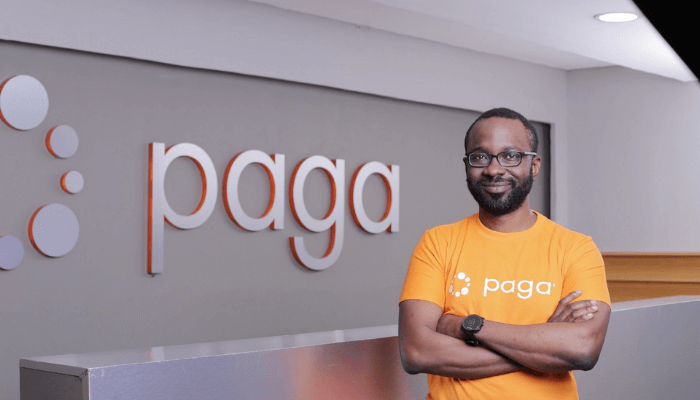
How Paga increased transaction volumes in four years
Paga, one of the continent’s leading fintech firms, has revealed that the value of transactions processed on its platform has…
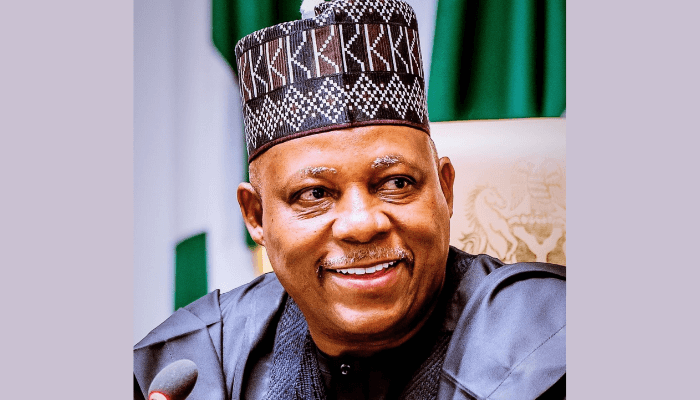
APC faces fresh tension in North-East over Shettima
The ruling All Progressives Congress (APC) is faced with fresh controversies over Vice President Kashim Shettima ahead of the 2027…
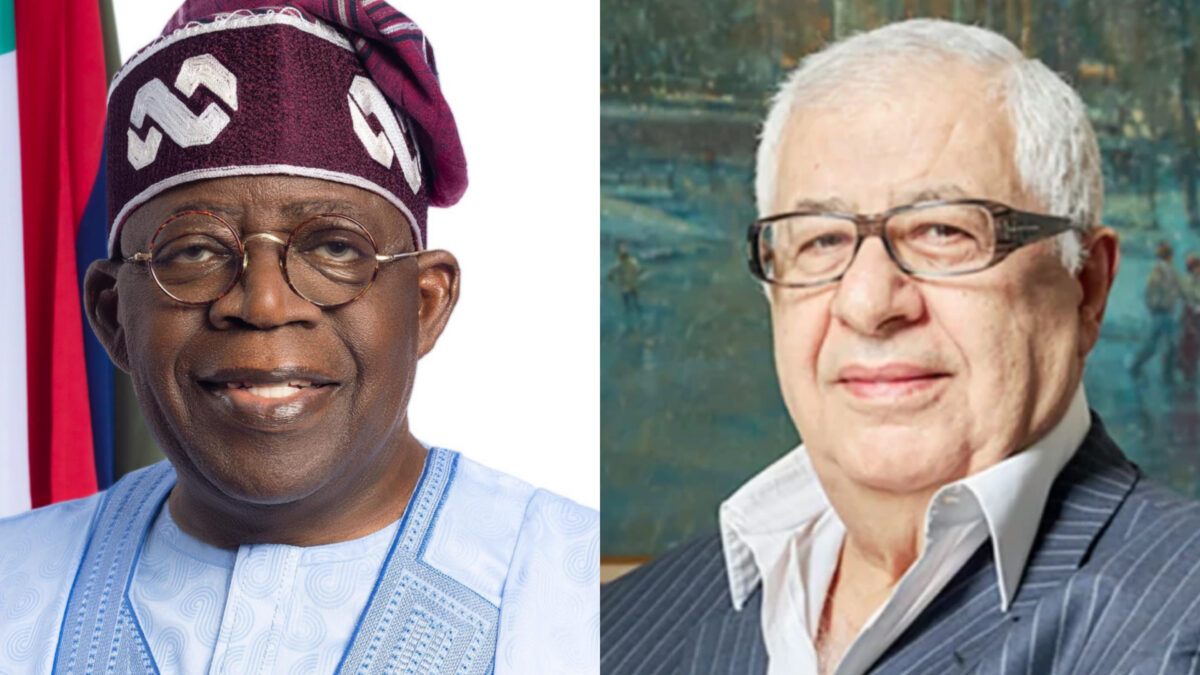
Tinubu awards GCON to Gilbert Chagoury
President Bola Tinubu has conferred one of Nigeria’s highest national honours on Gilbert Chagoury, a Lebanese-Nigerian businessman whose influence has…