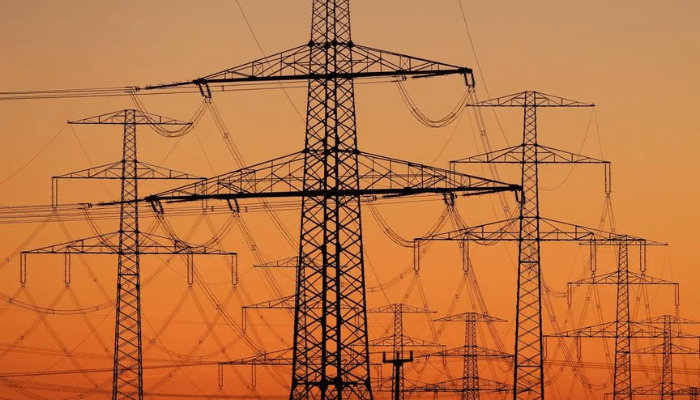
Nigeria’s hope to start exporting power beyond West Africa to Central and South African countries is being dampened by the low capacity of its grid network, which will cost an estimated $5 billion to fix, according to a report released Wednesday by the World Economic Forum (WEF).
The report entitled, ‘The Global Energy Architecture Performance Index Report 2015’, ranks 125 countries on the ability to deliver secure, affordable and sustainable energy.
Switzerland, Norway and France top the global rankings; Brazil ranks highest of the major emerging economies examined, with China and India facing some of the greatest challenges.

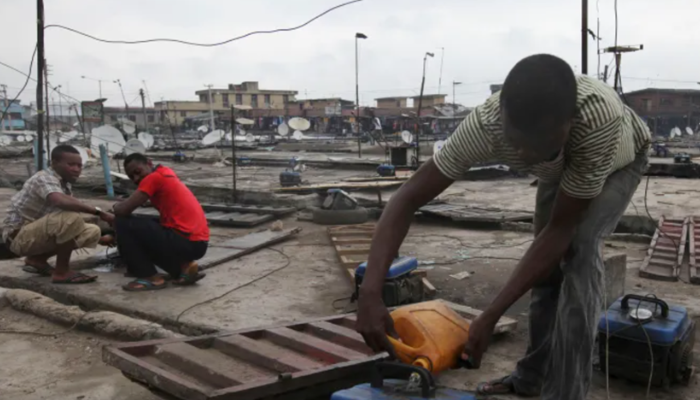
Nigeria has been ranked 116th on the energy access and security sub-index. Only half of Nigerians have access to electricity, 10 percent of them in rural areas, with power shortages severely affecting the quality of electricity supply across the country.
As the most populated country in Africa, with a population of about 174 million, and growing at 6% per annum, Nigeria faces a number of challenges across the energy triangle.
The government plans to increase the supply and use of gas across the country, with a total investment of about $25 billion, the WEP report said.
Poorly coordinated attempts at revamping the nation’s energy sector have previously resulted in “$40 billion spent with little improvement”.
A number of challenges still need to be addressed before the government’s long-term goals become a near-term reality.

Although a $213 billion intervention fund has been provided to offset legacy debts in the power industry, and the human capital and asset optimisation efforts of the investors have been deemed successful, many of the investors are still cash-strapped, and are seeking funds to carry out the significant upgrade of acquired assets.
The World Bank and the African Development Bank are some of the key development partners supporting the power reform efforts in Nigeria. Others include Japan International Development Agency, JICA, UNIDO, USAID, and DFID.
Effective energy reforms are required to address sustainability challenges and continue to power economic growth in major emerging economies, particularly against the backdrop of a slowing world economy on account of declining oil prices.
WEF insists that “major emerging economies should push forward with policies to address high energy intensity and corrosive energy subsidies, and to encourage wider investment.”
Nigeria is blessed with abundant natural resources. It has one of the largest natural gas reserves in the world, with an estimated 182 trillion cubic feet (tcf) of proven reserves.
With high levels of daily solar radiation, estimates suggest that the country could generate approximately the daily energy equivalent of the energy from a 192,000 megawatts (MW) gas power plant working at full capacity for 24 hours a day.
However, consistent under-investment in capacity, sub-standard maintenance of power assets and poor management of resources mean that power consumption per capita is one of the lowest in the world.
As a consequence, individuals and businesses pay huge amounts to access energy, adding up to 40% of the cost of doing business.
This has a serious impact on Nigeria’s competitiveness. The Federal Government of Nigeria estimates that the country requires 40,000 megawatts of additional capacity to address these constraints and support wider economic development.
With current installed generating capacity at 7,500 megawatts, plugging this gap will require $10 billion of investment across the electricity supply chain by the year 2020, the WEP report said.