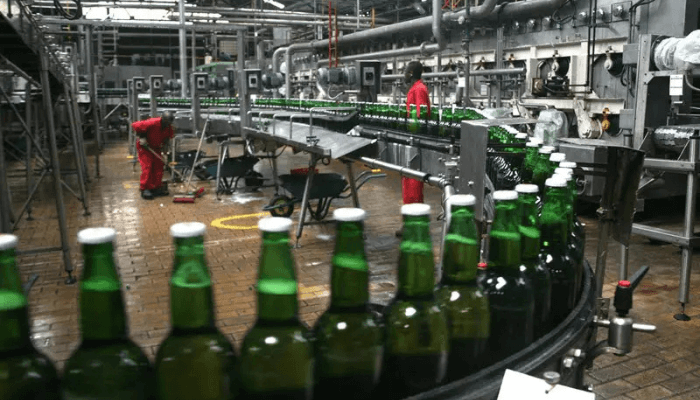
The Lagos Chamber of Commerce and Industry (LCCI) has said that unfair competition is hurting the real sector, particularly manufacturing. The chamber says incessant influx and smuggling of consumer goods, which are equally manufactured locally, into the country destroys the real sector at a time when this segment is expected to drive the economy.
Declining oil prices and devaluation of naira are recent key economic issues that have dogged the Nigerian economy. Given the situation, the manufacturing sector is expected to propel the economy and mitigate negative impact of the current vagaries. However, this is not happening, owing to key stifling factors.
Remi Bello, president, LCCI, outlines some of these unfair situations as smuggling, faking and counterfeiting, evasion of import duty payment, under-invoicing of imports and granting of underserved waivers to companies, rather than sectors.
Bello stated this during his annual report on 2014, activities read to members of the chamber, during the year’s annual general meeting held in Lagos. According to him, insecurity has also declined investor confidence across board, while escalating the risk of doing business in some parts of the country. He said the equity market recorded a bearish trend for the better part of the year, recording – -15 percent as of November 2014, a situation that has been attributed to cautious trading on foreign and institutional investors.

“In recognition of the increasing role of the private sector on the power sector, we have decided to set up a power sector group. In the coming year, we will continue to strengthen our partnership with global business community,” he said.
Bello further said despite the concerns about the state of the economy, businessmen still believe in enormous opportunities in the country, stressing that $510 billion GDP, 170 million population and democratic structures that were taking root, were positives that would continue to attract investors.
“But what we lack is the capacity to harness these opportunities for our common good,” he stated.
He further said that in spite of the progress made so far in the power reforms, the sector continued to pose challenges to businesses. To him, businesses complain about high charges by the new distributions companies, which take toll on their margins and bottom-lines, while many of them still incur huge expenditure on energy such as diesel.
Some of the achievements of the Chamber during the year include successful organisation of a trade fair that attracted participants from within and outside the country, improved relationship with governments at various levels and diplomatic visits from important citizens from South Africa, Japan, the EU and India, among others.

ODINAKA ANUDU