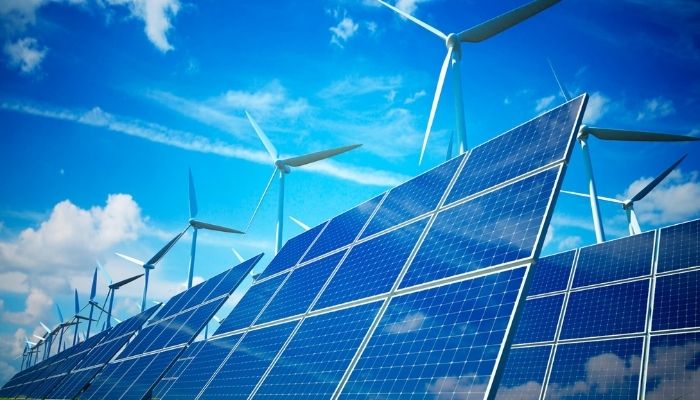
In order to speed up connectivity to electrical power for Nigeria’s rural population, each village in Nigeria without access to the national grid will have three solar energy projects constructed by the Federal Government, Chinedu Nebo, minister of power, has said.
Each of the solar projects will have the capacity to generate 1 megawatt of electricity for community lighting and other low capacity uses such as the powering of electronics.
To make the system commercially viable and sustainable, legal and commercial frameworks are being developed by the ministry in an effort to seal deals with private power companies for the management of the solar projects, including the aspect of distribution, when completed and commissioned in readiness for public use.
According to the CIA World Factsheet (2014), “About 86.7 million Nigerians or 51 percent of the entire population are rural dwellers,” and most of them are without access to electricity.

As the nation’s population continues to grow at the rate of 2.8 percent annually, Nigeria will require 20,000 megawatts of electricity in order to meet up with 75 percent of her energy needs in 2020.
This will require massive investments of about $5.5 billion annually in power transmission projects alone in the next five years, according to data obtained by BusinessDay from the Federal Ministry of Power.
The Federal Government has chosen the captive solar energy path for meeting most of the projected rural population needs considering the cost prohibitive implications in the development of power transmission lines from grid sources to distant rural communities.
READ ALSO: Next-generation fuels: How hydrogen is changing renewable energy investment landscape
“It costs N1 billion to develop power transmission infrastructure to reach any community that is far flung from the national grid,” said Nebo.

Earlier in November, Motir Seaspire, a consortium of American investors with specialty in renewable energy, signed a Memorandum of Understanding goods(MoU) with the Nigerian Ministry of Power to kick-start the construction of a $5 billion dollar solar power station in Nigeria.