The Joint Election Observation Mission of the International Republican Institute (IRI) and the National Democratic Institute (NDI) said the Nigerian 2023 election fell short of the reasonable expectations of the people.
The 40-member delegation of the two United States Institutes said logistical challenges and multiple incidents political violence overshadowed the electoral process and impeded a substantial number of voters from participating.
The Joint Election Observation Mission made these observations in their preliminary at press conference in Abuja on Monday.
Joyce Banda, a former President of Malawi who led the delegation explained that members of the team were deployed across all six geopolitical regions of the country to observe all stages of the voting process; stressing that their observations informed the preliminary findings and practical recommendations to improve future elections.

The preliminary statement reads, “The mission notes that despite the much-needed reforms to the The Electoral Act 2022, the election fell well short of Nigerian citizens’ reasonable expectations.
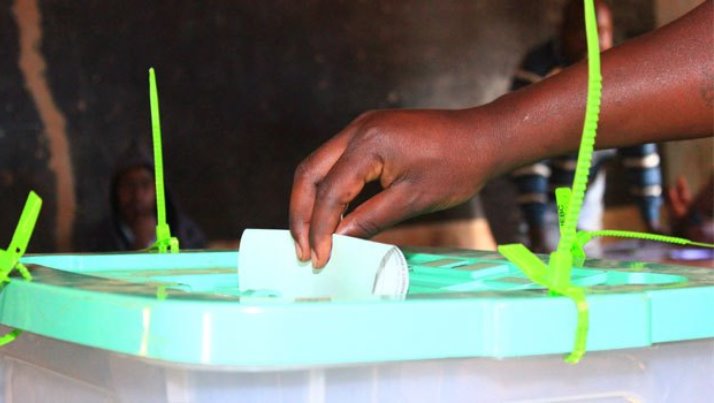
“Logistical challenges and multiple incidents of political violence overshadowed the electoral process and impeded a substantial number of voters from participating.
“Ongoing currency and fuel shortages also imposed excessive burdens on voters and election officials, and Nigerian marginalized groups, especially women, continue to face barriers to seeking and obtaining political office.”
He insisted that late opening of polling locations and logistical failures created tensions and the secrecy of the ballot was compromised in some polling units given overcrowding.
“At the close of the polls, challenges with the electronic transfer of results and their upload to a public portal in a timely manner. undermined citizen confidence at a crucial moment of the process.

“Moreover, inadequate communication and lack of transparency by the Independent National Electoral Commission (INEC) about their cause and extent created confusion and eroded voters’ trust in the process.
“The combined effect of these problems disenfranchised Nigerian voters in many areas, although the scope and scale is currently unknown.”
Banda maintained that despite these issues, Nigerians demonstrated their commitment to the democratic process.
According to IRI and NDI leader, voters demonstrated resilience and resolve to have their voices heard through the ballot.
“As the nation awaits the results of the February 25 polls and the Nigerian people prepare for upcoming gubernatorial elections, we urge political actors and their supporters to remain calm and exercise restraints,” he appealed.
Brenda tasked stakeholders, especially INEC, the government, political actors and civil society to redouble their efforts to deliver on citizens expectations for transparent and inclusive elections, and to ensure that electoral outcomes are a credible expression of the voters’ will.