The state governments will in the coming weeks receive some N1billion from the Federal government which is the last trench of the performance-based grant under the World Bank-funded State Fiscal Transparency, Accountability And Sustainability (SFTAS) programme.
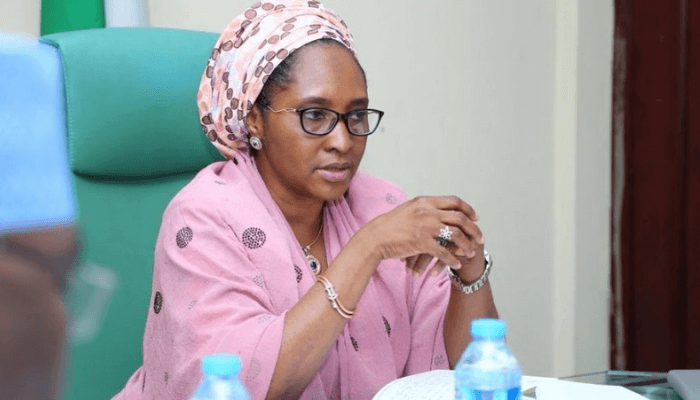
Zainab Ahmed, minister of finance, budget and national planning disclosed this while speaking on ‘State Fiscal Transparency, Accountability And Sustainability (SFTAS): celebrating achievement’ at the Nigeria economic summit in Abuja.
According to her, SFTAS has achieved the set objectives and recorded significant milestones by improving fiscal transparency and accountability in states.
She explained that it has also helped to increase domestic revenue mobilisation, raise efficiency in public spending and strengthened debt management in line with wide ideals that have been set.

“It is my belief that with the resounding success recorded, especially with the wholesome adoption of the SFTAS charter by all the 36 states here present. The program is already entrenched in the fiscal governance space at sub-national levels and will continue to enjoy a place of pride in the conduct of fiscal governance even in the absence of any further incentives” the minister said.
Read also: Reps urge Buhari to seek N100bn supplementary budget for flood control
“I’m pleased to inform you that in the next few weeks, the state will receive the last trench of a performance-based grant, including the N1billion withheld by the central bank through the Naira exchange deficit.
“This will bring to a close the performance for the result even though the technical assistance component will continue to be delivered June 2023, when the program will finally wind down.”
SFTAS which is a World Bank support and intervention program was designed to support Nigerian states to implement a fiscal sustainability plan.

According to her, the primary objective of the program was to instil the concept of physical behaviour and standards as well as facilitate the spread adoption of good practices in fiscal public financial management across the states while respecting their fiscal autonomy.
These good practices include the preparation of a citizen-based budget, timely preparation and communication of annual budgets and audited financial statements among others.
Speaking further, the minister called for the continued support of stakeholders, particularly the legislature and civil society organisations at the state level to strengthen implementation and deepen ongoing reforms.
But at a press briefing which marked the end of the two days summit, Ahmed explained that the SFTAS facility is provided in dollars and that in monetizing naira, the states claim that there was some differential that is still due to them.
The minister said reconciliation was undertaken, and that “the differential is just N1 billion naira which would be recovered and shared among the 36 states that participated in the SFTAS programme.
In his speech, the chairman, Nigeria Governors’ Forum, Aminu Tambuwal, governor of Sokoto state said that over the last four years the governors have worked tirelessly to achieve the mandates of the program.
According to him the program has aided in increased citizen participation in governance and improved fiscal transparency and accountability by publishing fiscal documents.
“We have legislated requisite laws, provided enabling legal framework, reform processes procedures and policies.
“Examples are debt management laws, public procurement laws, audit laws and consolidated revenues.
“We have seen a reduction in our domestic expenditures, improved debt Sustainability ratio and adoption of e-procurement systems to deliver efficiency and value for money in government spending,” he said.
Represented by Governor Abubakar Bagudu of Kebbi state, the Chairman stated that the financing of N1.2 billion was timely in ameliorating the constraints occasioned by the increasing expenditures, COVID-19, and the non-remittance of revenue by the NNPC.
He also stated that the governors in an effort to shore up domestic revenues have undertaken various reforms that have led to increased internally generated revenues.
“We have aggressively pursued new areas including tax policies, legislation, property tax, and strengthening the exchange of information among others.